
Journal of Zhejiang Agricultural Sciences ›› 2026, Vol. 67 ›› Issue (3): 750-756.DOI: 10.16178/j.issn.0528-9017.20240868
Previous Articles Next Articles
HE Runzhen( ), LIANG Qianrong, ZHU Ningyu, YUAN Fan, JIN Jing, BEI Yijiang, ZHOU Fan, DING Xueyan()
Received:2024-11-12
Online:2026-03-11
Published:2026-03-30
Contact:
DING Xueyan
CLC Number:
HE Runzhen, LIANG Qianrong, ZHU Ningyu, YUAN Fan, JIN Jing, BEI Yijiang, ZHOU Fan, DING Xueyan. Study on microorganisms in aquaculture water,soil,and intestine of Rana nigromaculata in the ecological breeding model[J]. Journal of Zhejiang Agricultural Sciences, 2026, 67(3): 750-756.
Add to citation manager EndNote|Ris|BibTeX
URL: http://www.zjnykx.cn/EN/10.16178/j.issn.0528-9017.20240868
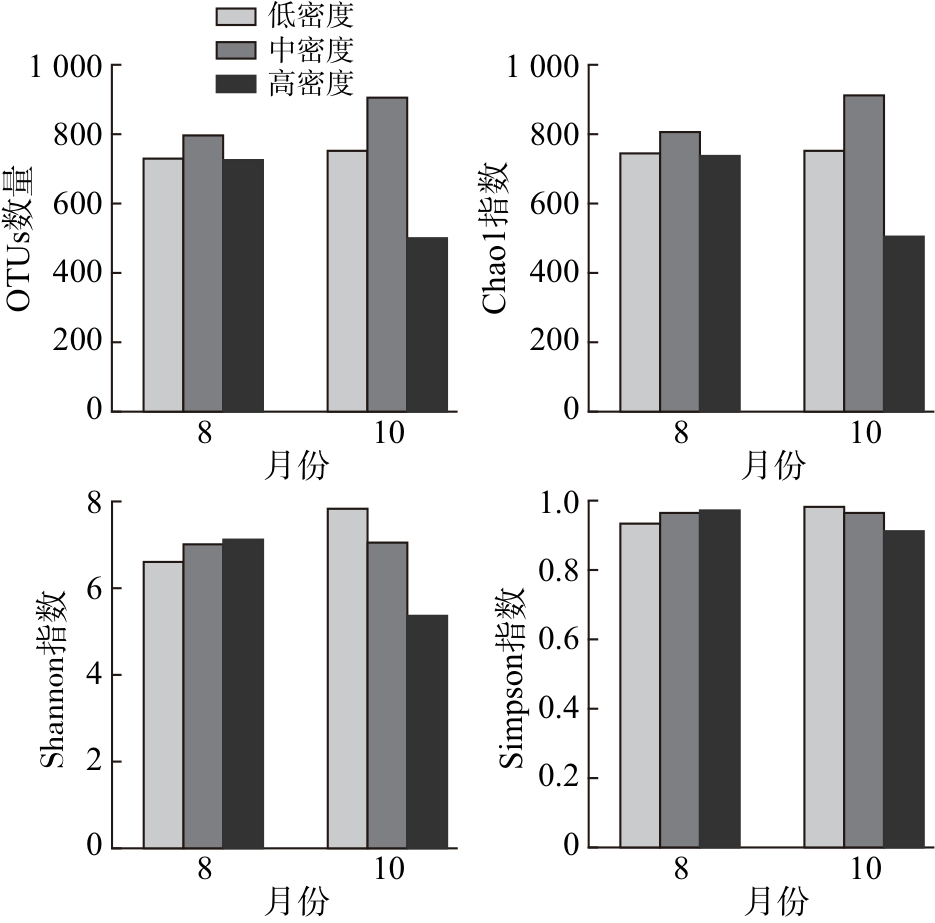
Fig.1 Alpha diversity of intestinal microbiota in Rana nigromaculata
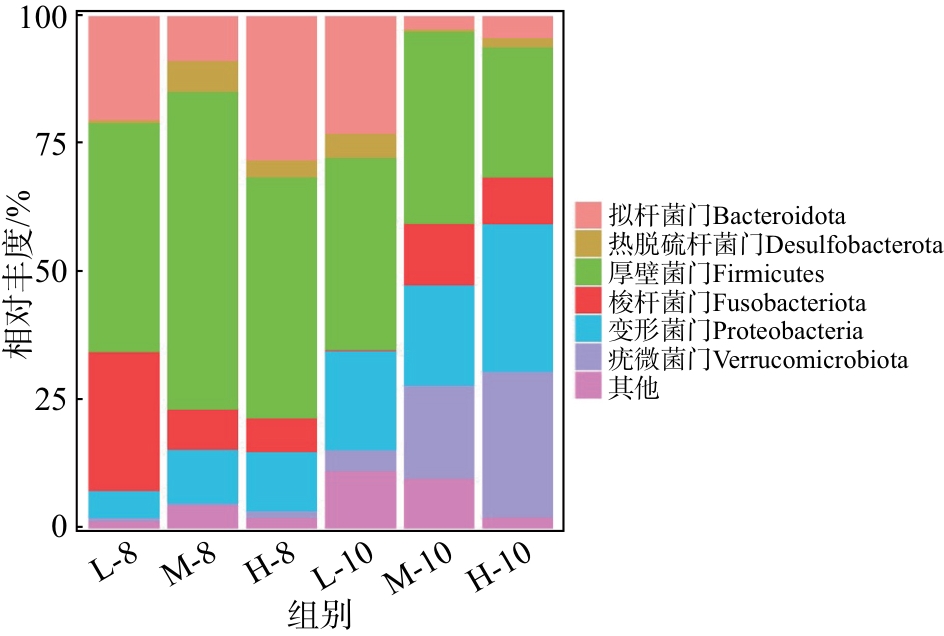
Fig.2 Composition of intestinal microbiota in Rana nigromaculata at the phylum level
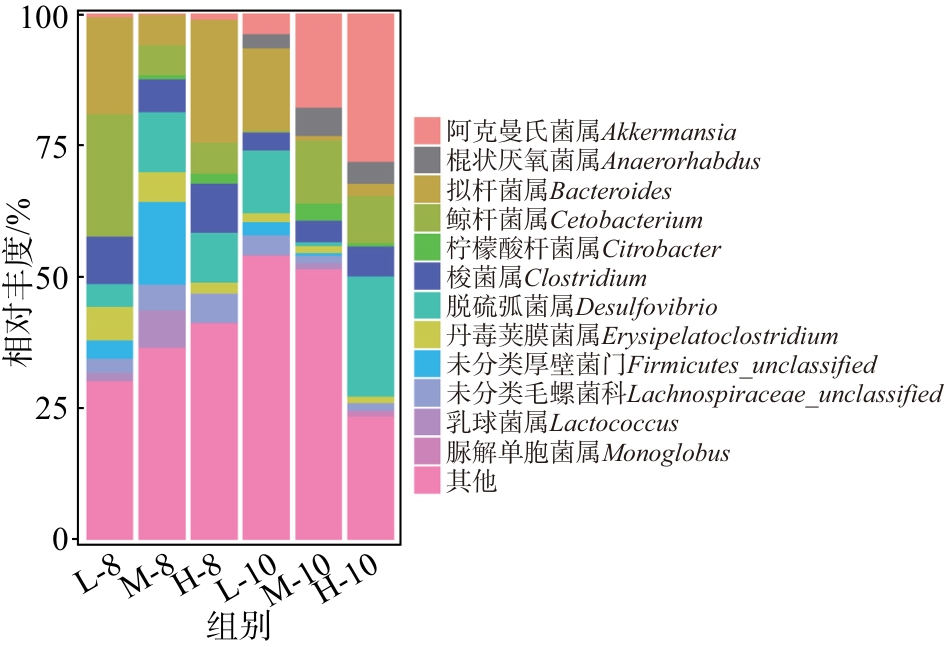
Fig. 3 Composition of intestinal microbiota in Rana nigromaculata at the genus level
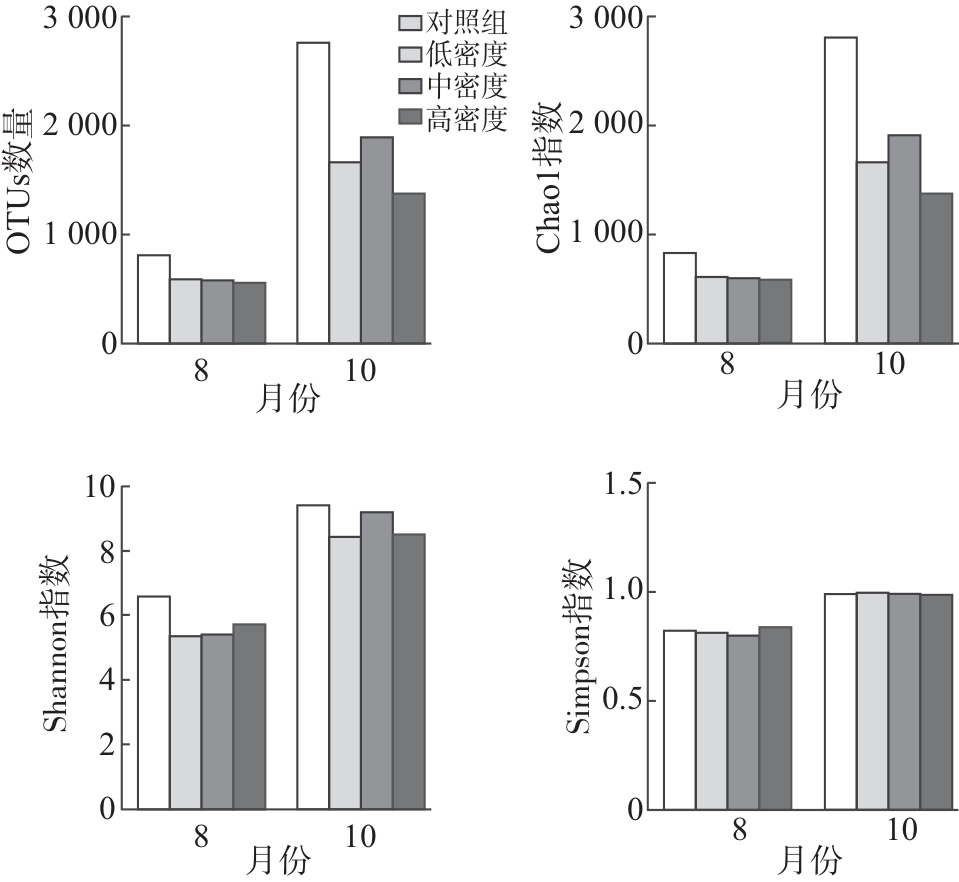
Fig.4 Alpha diversity of microorganisms in the aquaculture water of Rana nigromaculata
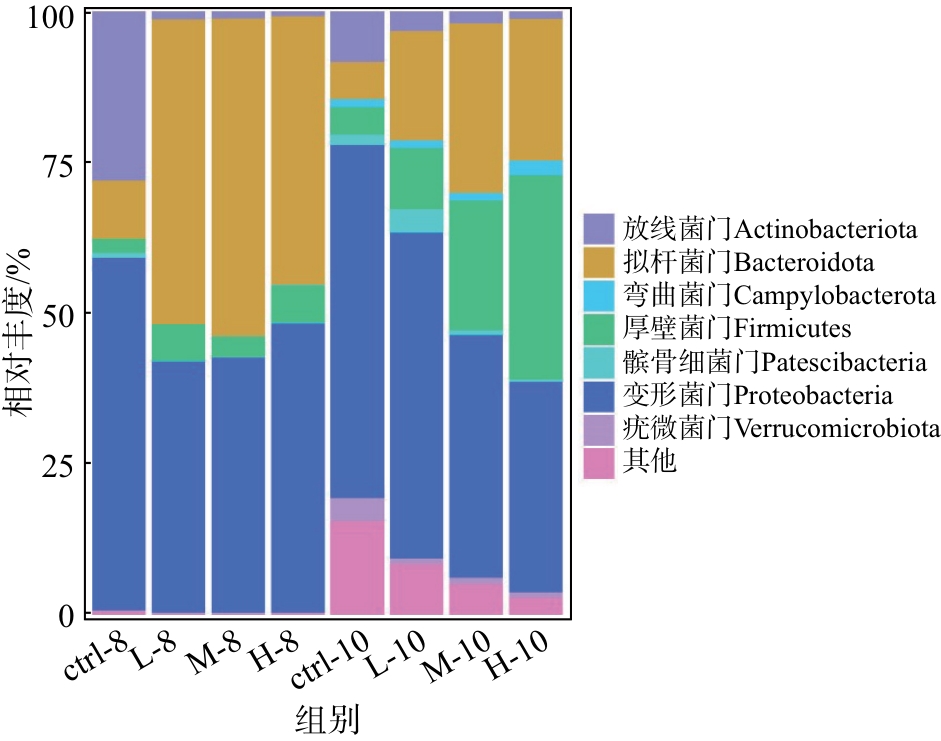
Fig.5 Composition of microbial communities at the phylum level in the aquaculture water of Rana nigromaculata
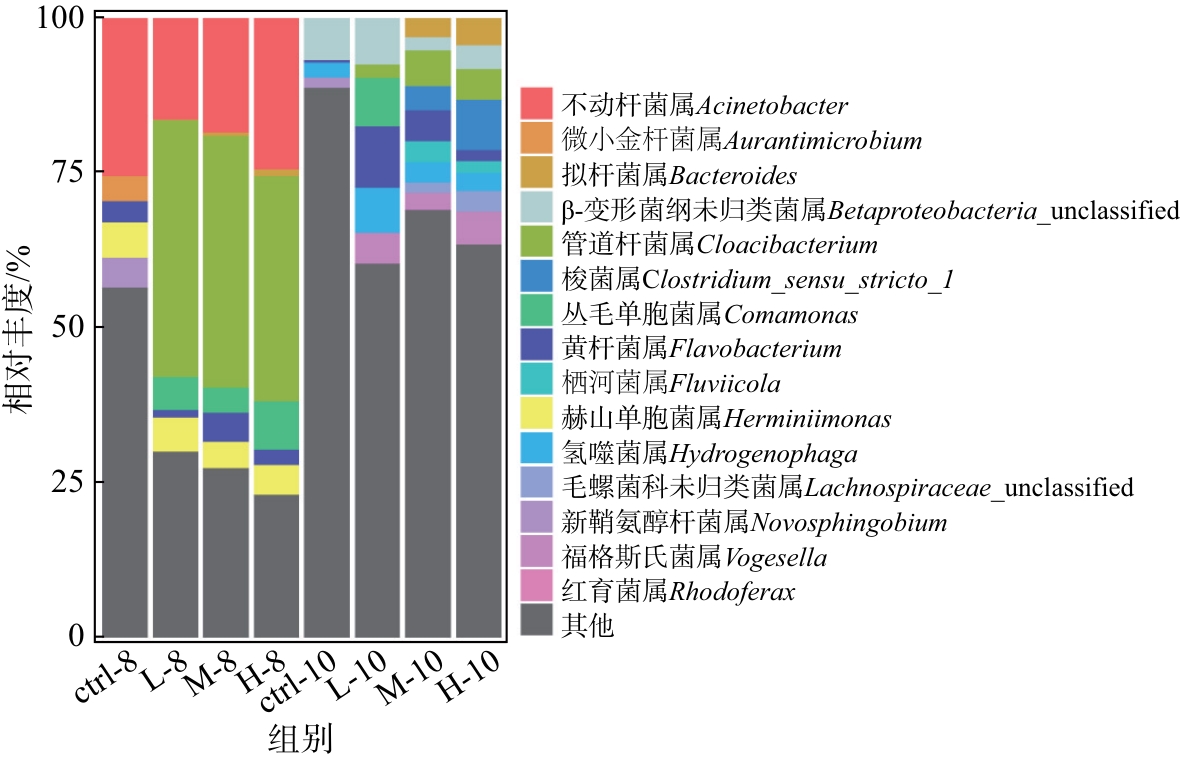
Fig.6 Composition of microbial communities at the genus level in the aquaculture water of Rana nigromaculata
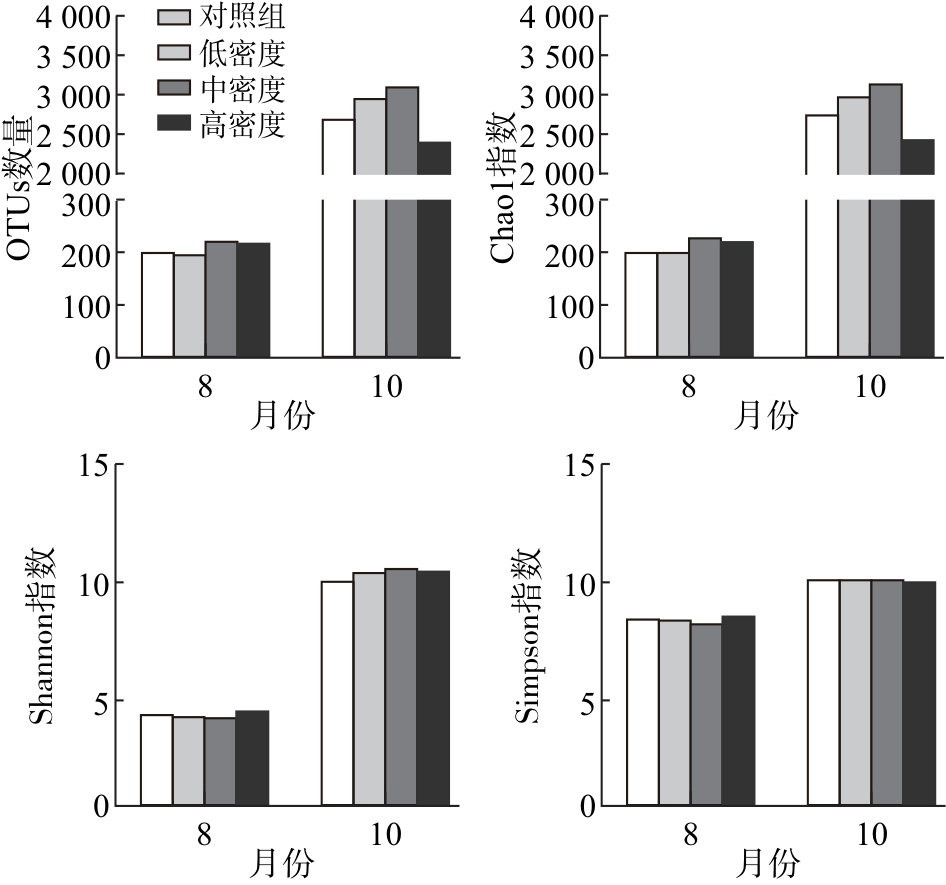
Fig.7 Alpha diversity of microorganisms in the soil of Rana nigromaculata farming
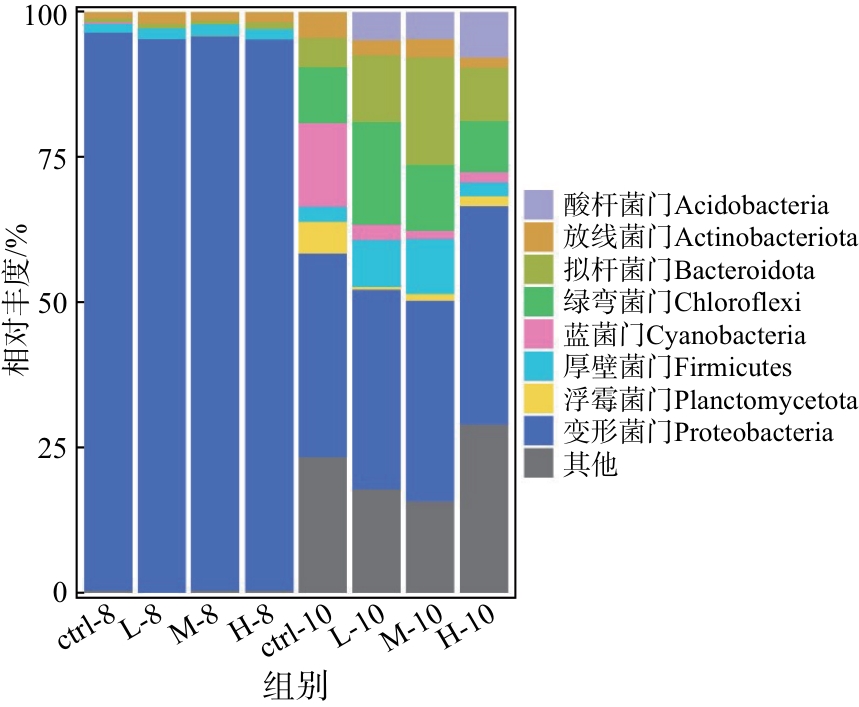
Fig.8 Soil microbial composition at the phylum level
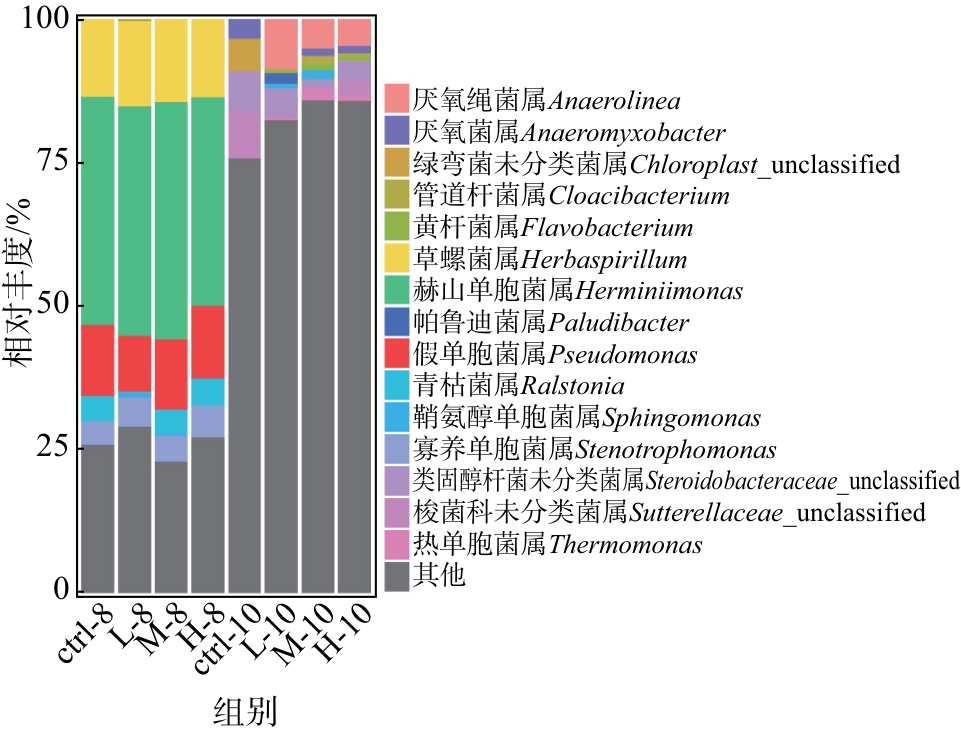
Fig.9 Soil microbial compositionat the genus level
| [1] | 何志刚,伍远安,徐永福,等. 野生与养殖黑斑蛙肌肉营养品质的比较分析[J]. 水产科学,2019,38(4):506-513. |
| HE Z G, WU Y A, XU Y F,et al. Comparative analysis on nutritional quality of muscles between wild and cultured black-spotted frog Rana nigromaculata [J]. Fisheries Science,2019,38(4):506-513. | |
| [2] | 李兴华,涂军明,陈展鹏,等. 稻蛙绿色种养模式研究及其可持续发展策略[J]. 农学学报,2020,10(12):98-103. |
| LI X H, TU J M, CHEN Z P,et al. Rice-frog planting and raising mode and its sustainable development strategy[J]. Journal of Agriculture,2020,10(12):98-103. | |
| [3] | 李倩,孙丽慧,姜建湖,等. 放养密度对IPRA养殖太湖鲂鲌生长、抗氧化酶及肠道微生物群落的影响[J]. 水生生物学报,2023,47(3):479-487. |
| LI Q, SUN L H, JIANG J H,et al. Stocking densities on growth,antioxidant enzyme activities and intestinal microbiota of hybrid of Culter alburnus(♀)× Megalobrama terminalis(♂)in ipra system[J]. Acta Hydrobiologica Sinica,2023,47(3):479-487. | |
| [4] | 曾涛,熊玉唐,陈卓,等. 贵州稻区稻蛙共生适宜的养蛙密度[J]. 贵州农业科学,2019,47(11):84-87. |
| ZENG T, XIONG Y T, CHEN Z,et al. Preliminary study of appropriate density of frog on rice-frog system in main rice planting areas of Guizhou[J]. Guizhou Agricultural Sciences,2019,47(11):84-87. | |
| [5] | 袁航,胡乃捷,陈俭,等. 养殖密度对凡纳滨对虾生长性能及其肠道消化酶和菌群结构的影响[J]. 南方农业学报,2023,54(1):289-302. |
| YUAN H, HU N J, CHEN J,et al. Effects of stocking density on the growth performance,intestinal digestive enzyme activities and microflora structure of Litopenaeus vannamei [J]. Journal of Southern Agriculture,2023,54(1):289-302. | |
| [6] | 王博,秦海鹏,廖栩峥,等. 养殖密度对墨吉明对虾肠道和生物絮团菌群的影响[J]. 湖南农业大学学报(自然科学版),2020,46(5):608-615. |
| WANG B, QIN H P, LIAO X Z,et al. Effects of stocking density on bacterial community characterization of biofloc and intestine of Fenneropenaeus merguiensis [J]. Journal of Hunan Agricultural University(Natural Sciences),2020,46(5):608-615. | |
| [7] | PÉREZ T, BALCÁZAR J L, RUIZ-ZARZUELA I,et al. Host–microbiota interactions within the fish intestinal ecosystem[J]. Mucosal Immunology,2010,3(4):355-360. |
| [8] | LIN C S, CHANG C J, LU C C,et al. Impact of the gut microbiota,prebiotics,and probiotics on human health and disease[J]. Biomedical Journal,2014,37(5):259-268. |
| [9] | 李金龙,徐永福,王冬武,等. 黑斑蛙养殖模式对稻田土壤肥力、土壤酶活性的影响及其经济效益[J]. 作物研究,2019,33(5):428-431,436. |
| LI J L, XU Y F, WANG D W,et al. Effects of breeding models of Rana nigromaculata on soil fertility and enzyme activity in paddy field and economic benefit analysis[J]. Crop Research,2019,33(5):428-431,436. | |
| [10] | 周雪芳,朱晓伟,陈泽恺,等. 稻蛙生态种养对土壤微生物及无机磷含量的影响[J]. 核农学报,2016,30(5):971-977. |
| ZHOU X F, ZHU X W, CHEN Z K,et al. Effect of eco-planting and breeding of rice and frog on soil microorganisms and soluble phosphorus contents[J]. Journal of Nuclear Agricultural Sciences,2016,30(5):971-977. | |
| [11] | 李成芳,曹凑贵,展茗,等. 稻鸭共作对稻田氮素变化及土壤微生物的影响[J]. 生态学报,2008,28(5):2115-2122. |
| LI C F, CAO C G, ZHAN M,et al. The N variations of paddy fields and amounts of soil microorganisms in rice-duck complex ecosystems[J]. Acta Ecologica Sinica,2008,28(5):2115-2122. | |
| [12] | 展茗,曹凑贵,汪金平,等. 稻鸭、稻鱼复合生态系统土壤微生物多样性特征分析[J]. 土壤学报,2008,45(6):1179-1183. |
| ZHAN M, CAO C G, WANG J P,et al. Analysis of diversity of soil microbial community of the wetland rice-duck and rice-fish complex ecosystem[J]. Acta Pedologica Sinica,2008,45(6):1179-1183. | |
| [13] | 王健,王玲,鲁康乐,等. 摄食全豆粕蛋白饲料的牛蛙肠道微生物组成[J]. 集美大学学报(自然科学版),2018,23(4):241-248. |
| WANG J, WANG L, LU K L,et al. An analysis of the gut microbial community of bullfrog(Rana(Lithobates)catesbeiana)fed with soybean meal based diets[J]. Journal of Jimei University(Natural Science),2018,23(4):241-248. | |
| [14] | 刘文舒,郭小泽,陈彦良,等. 养殖黑斑蛙肠道微生物结构与功能分析[J]. 经济动物学报,2021,25(2):68-76. |
| LIU W S, GUO X Z, CHEN Y L,et al. Analysis of microbial structure and function in the intestine of farmed black-spot frog[J]. Journal of Economic Animal,2021,25(2):68-76. | |
| [15] | 王纯,倪加加,颜庆云,等. 草鱼与团头鲂肠道菌群结构比较分析[J]. 水生生物学报,2014,38(5):868-875. |
| WANG C, NI J J, YAN Q Y,et al. Comparison of the intestinal bacterial communities between grass carp(Ctenopharyngodon idellus)and bluntnose black bream(Megalobrama amblycephala)[J]. Acta Hydrobiologica Sinica,2014,38(5):868-875. | |
| [16] | LIU H, GUO X W, GOONERATNE R,et al. The gut microbiome and degradation enzyme activity of wild freshwater fishes influenced by their trophic levels[J]. Scientific Reports,2016,6:24340. |
| [17] | ITO T, YOSHIGUCHI K, ARIESYADY H D,et al. Identification and quantification of key microbial trophic groups of methanogenic glucose degradation in an anaerobic digester sludge[J]. Bioresource Technology,2012,123:599-607. |
| [18] | DEPOMMIER C, VAN HUL M, EVERARD A,et al. Pasteurized Akkermansia muciniphila increases whole-body energy expenditure and fecal energy excretion in diet-induced obese mice[J]. Gut Microbes,2020,11(5):1231-1245. |
| [19] | ORG E, PARKS B W, JOO J W J,et al. Genetic and environmental control of host-gut microbiota interactions[J]. Genome Research,2015,25(10):1558-1569. |
| [20] | 刘乃瑜,王至诚,何宏港,等. 鳖源柠檬酸杆菌属新种的分离鉴定与多位点序列[J]. 水产学报,2023,47(3):203-214. |
| LIU N Y, WANG Z C, HE H G,et al. Identification and multilocus sequence analysis of a novel species of Citrobacter isolated from diseased Pelodiscus sinensis [J]. Journal of Fisheries of China,2023,47(3):203-214. |
| [1] | ZHU Xudong, TANG Ning, XIE Qigan, LI Ruochen, LYU Jianfei, YE Xuezhu. Effects of soil conditioners on the growth of ginger in continuous cropping greenhouse [J]. Journal of Zhejiang Agricultural Sciences, 2026, 67(3): 675-680. |
| [2] | CHEN Yanfang, LI Guifang, ZHAN Guohui, CHENG Jianjun, YIN Hanqin. Effect of pig stocking and bacteria mattress fertilizer technology on soil fertility and environmental quality of newly reclaimed farmland [J]. Journal of Zhejiang Agricultural Sciences, 2026, 67(3): 732-736. |
| [3] | ZOU Lina, LIU Tingting, LUO Xiahong, CHEN Changli, LI Shaocui, ZHU Guanlin, AN Xia. Effects of bast straw biochar application on cadmium-contaminated soil bacterial community [J]. Journal of Zhejiang Agricultural Sciences, 2026, 67(3): 743-749. |
| [4] | MA Liya, HU Zefan, ZHANG Yuanyuan, YE Tingyun, WANG Feng, CHEN Zhaoming. Effects of nitrogen reduction combined with organic fertilizer application on yield,nitrogen use efficiency and soil fertility in double-cropping rice system [J]. Journal of Zhejiang Agricultural Sciences, 2026, 67(2): 288-292. |
| [5] | WANG Yun, FANG Xiaowen, SHEN Hong, CAO Mina. Effects of increasing organic fertilizer application on maize yield and soil fertility in Dongyang City [J]. Journal of Zhejiang Agricultural Sciences, 2026, 67(2): 310-313. |
| [6] | HUANG Shuyong, ZAN Jingyi, WANG Hui, WANG Xiaodong, WANG Xiaoguo. Relationship between composition of soil particle size and quality of flue⁃cured tobacco in western Henan [J]. Journal of Zhejiang Agricultural Sciences, 2026, 67(2): 369-375. |
| [7] | HE Quanping, HUANG Liang, QIN Jiahao, XU Bingjie, WANG Yuyan, CHEN Siyu, YANG Xiaoe, LIU Di. Distribution characteristics of antibiotics and their resistance genes in the surrounding forest land of pig farm [J]. Journal of Zhejiang Agricultural Sciences, 2026, 67(2): 495-503. |
| [8] | JIANG Xianmei, MA Kun, HU Yuming, TU Chunbao, LI Jinhui, WU Choufei, WANG Zhe. Effects of different soil conditioner dosages on soil improvement and pyrethrum cultivation in heavy metal contaminated farmland [J]. Journal of Zhejiang Agricultural Sciences, 2026, 67(2): 504-509. |
| [9] | HU Qiqi, LIANG Jiawei, YU Weimin, WANG Rongping, GONG Beini, LIN Birun. Effects of Brassica campestris var. parachinensis-maize rotation on microbial biomass and enzyme activity in rhizosphere soil [J]. Journal of Zhejiang Agricultural Sciences, 2026, 67(1): 184-193. |
| [10] | CUI Yanna, HAO Guijie, WANG Yuchen, SUN Boyi, TONG Yuhao, ZHU Yanyu, WANG Min, FANG Qihang, SHI Xumei, LOU Yidi, ZHU Xinding, TU Jinyu, ZHANG Haiqi, YANG Huangzhen. Effects of rice-crayfish rotation on soil physicochemical property and bacterial diversity in paddy fields [J]. Journal of Zhejiang Agricultural Sciences, 2026, 67(1): 202-210. |
| [11] | CHEN Yue, XUE Zhizhong, FENG Wei, MENG Ran, WU Zhe, LU Xuelin. Effects of compound fertilizer combined with different soil amendments on corn growth and coastal saline-alkali soil improvement [J]. Journal of Zhejiang Agricultural Sciences, 2026, 67(1): 211-215. |
| [12] | YING Xiao, XU Wei, CHEN Wei. Effects of chemical fertilizer reduction combined with different fertilizers on strawberry growth and soil fertility [J]. Journal of Zhejiang Agricultural Sciences, 2026, 67(1): 216-221. |
| [13] | NI Jinyang, WANG Feng, YU Qiaogang, ZHOU Jun, SUN Wanchun, MA Shitai, LYU Yongjie, MA Junwei. Evolution characteristics and improvement technology research progress of soil acidification in southern China from 1950 to 2020 [J]. Journal of Zhejiang Agricultural Sciences, 2026, 67(1): 231-242. |
| [14] | ZHU Yuxiang, WU Yong, ZHU Hongfei. Effects of different fertilization treatments on Zizania latifolia Turcz. and its rhizosphere environment [J]. Journal of Zhejiang Agricultural Sciences, 2026, 67(1): 52-56. |
| [15] | CAI Long, SUN Jian, WANG Pan, SHEN Yanghui, JIANG Jianming, WANG Zhian. Analysis of bacterial community strucure in rhizosphere soil of wild and cultivated Fritillaria thunbergii Miq. and exploration of the associated flora [J]. Journal of Zhejiang Agricultural Sciences, 2025, 66(9): 2137-2146. |
| Viewed | ||||||
|
Full text |
|
|||||
|
Abstract |
|
|||||
