
Journal of Zhejiang Agricultural Sciences ›› 2026, Vol. 67 ›› Issue (1): 115-124.DOI: 10.16178/j.issn.0528-9017.20240918
Previous Articles Next Articles
ZHANG Peng( ), LIU Shuo(), OUYANG Yu, LI Mengmin
Received:2024-12-02
Online:2026-01-11
Published:2026-01-19
Contact:
LIU Shuo
CLC Number:
ZHANG Peng, LIU Shuo, OUYANG Yu, LI Mengmin. Apple leaf disease recognition based on improved EfficientNetV2 model[J]. Journal of Zhejiang Agricultural Sciences, 2026, 67(1): 115-124.
Add to citation manager EndNote|Ris|BibTeX
URL: http://www.zjnykx.cn/EN/10.16178/j.issn.0528-9017.20240918
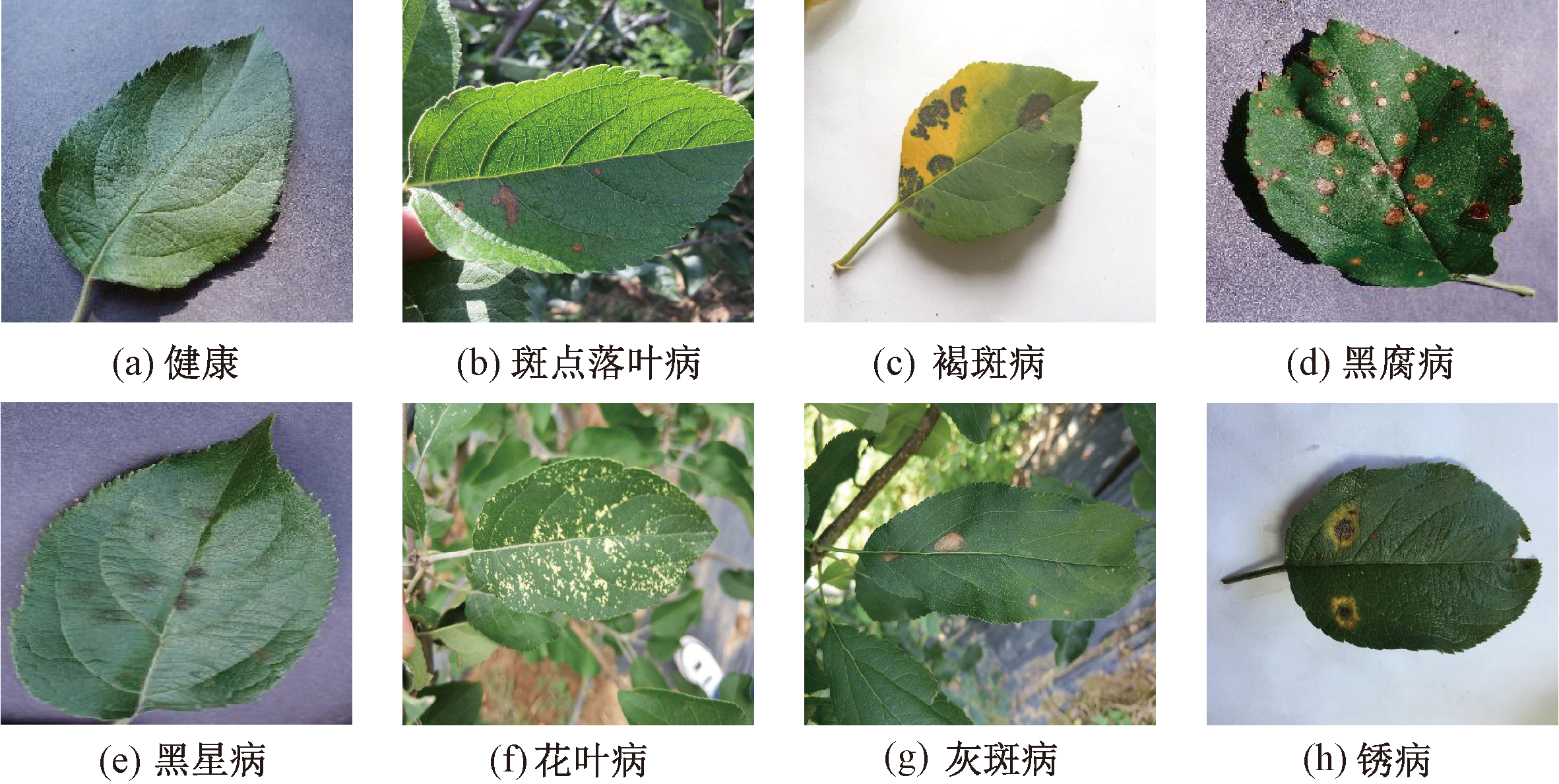
Fig.1 Eight types of apple leaf disease samples
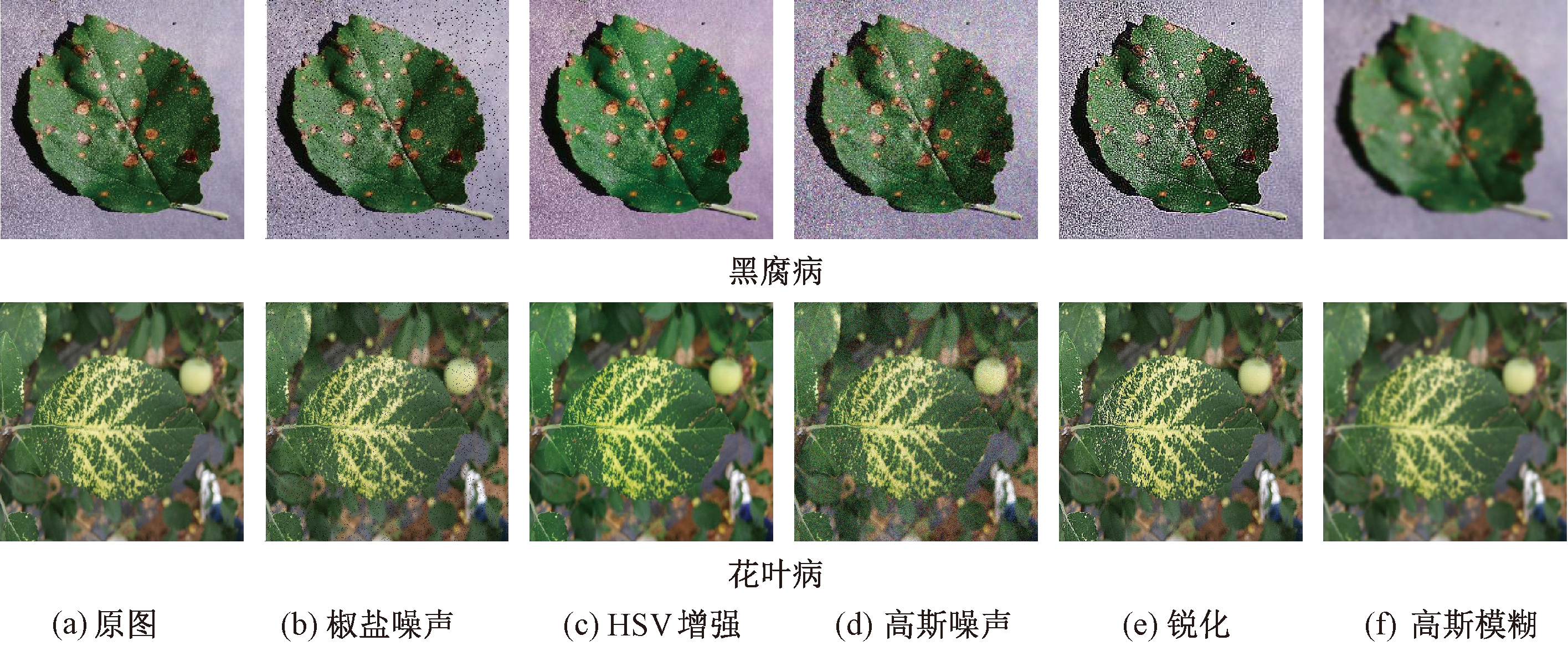
Fig.2 Partial examples of data augmentation samples
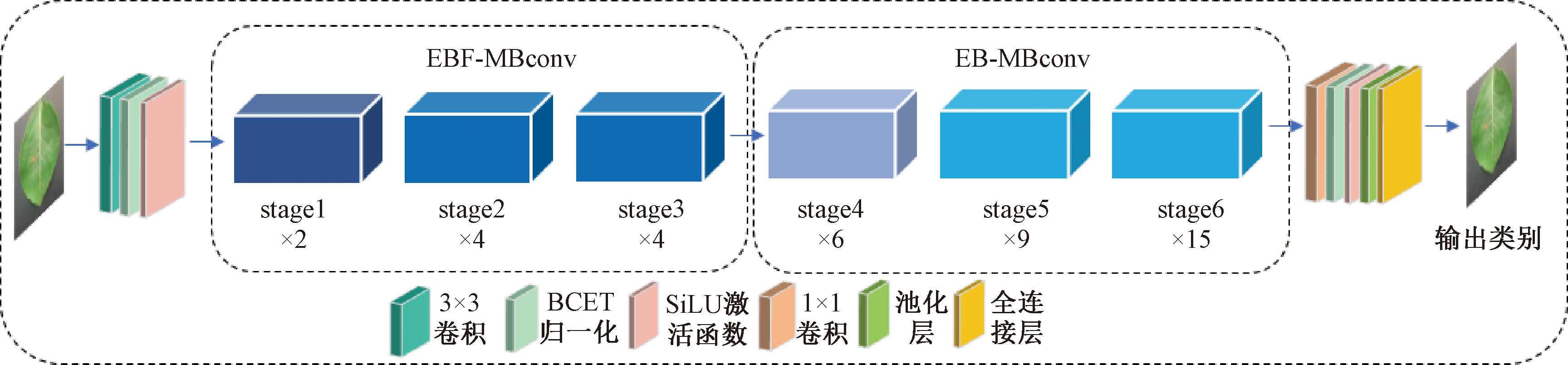
Fig.3 Efficient-BEANet network structure diagram
| 编号 | 名称 | 扩展因子 | 卷积核(步长) | 通道数 | 层数 |
|---|---|---|---|---|---|
| — | 3×3卷积 | — | 3×3(2) | 24 | 1 |
| stage 1 | EBF-MBConv | 1 | 3×3(1) | 24 | 2 |
| stage 2 | EBF-MBConv | 4 | 3×3(2) | 48 | 4 |
| stage 3 | EBF-MBConv | 4 | 3×3(2) | 64 | 4 |
| stage 4 | EB-MBConv | 4 | 3×3(2) | 128 | 6 |
| stage 5 | EB-MBConv | 6 | 3×3(1) | 160 | 9 |
| stage 6 | EB-MBConv | 6 | 3×3(2) | 256 | 15 |
| — | 1×1卷积层&池化层&全连接层 | — | — | 1 280 | 1 |
Table 1 Efficient-BEANet network parameters
| 编号 | 名称 | 扩展因子 | 卷积核(步长) | 通道数 | 层数 |
|---|---|---|---|---|---|
| — | 3×3卷积 | — | 3×3(2) | 24 | 1 |
| stage 1 | EBF-MBConv | 1 | 3×3(1) | 24 | 2 |
| stage 2 | EBF-MBConv | 4 | 3×3(2) | 48 | 4 |
| stage 3 | EBF-MBConv | 4 | 3×3(2) | 64 | 4 |
| stage 4 | EB-MBConv | 4 | 3×3(2) | 128 | 6 |
| stage 5 | EB-MBConv | 6 | 3×3(1) | 160 | 9 |
| stage 6 | EB-MBConv | 6 | 3×3(2) | 256 | 15 |
| — | 1×1卷积层&池化层&全连接层 | — | — | 1 280 | 1 |

Fig.4 Schematic diagram of the EB-MBConv structure
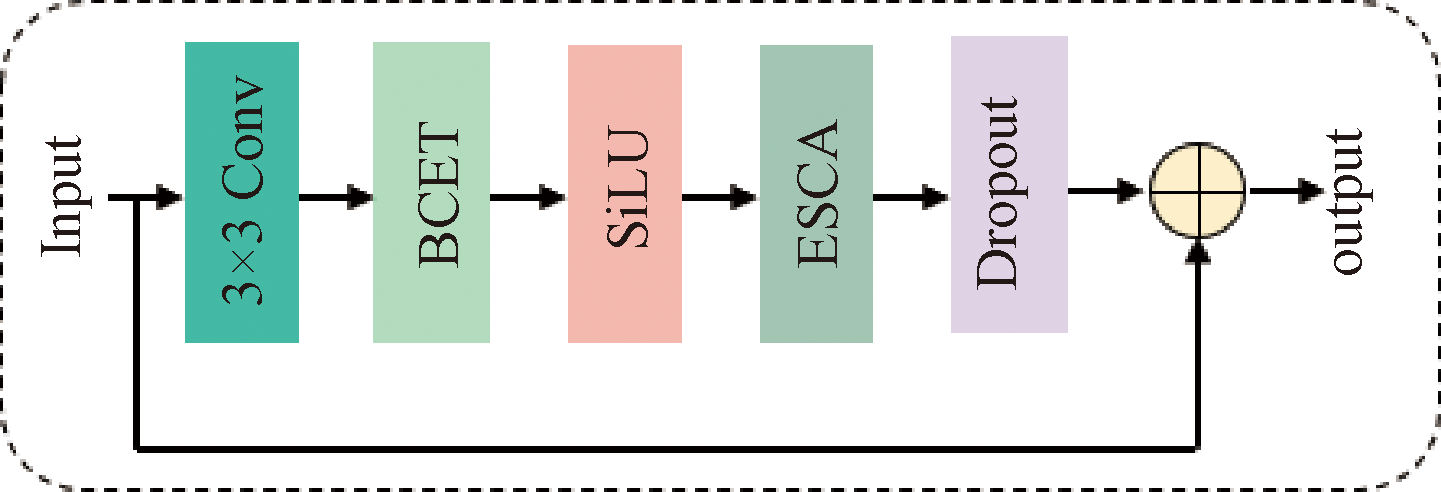
Fig.5 Schematic diagram of the EBF-MBConv base1 structure
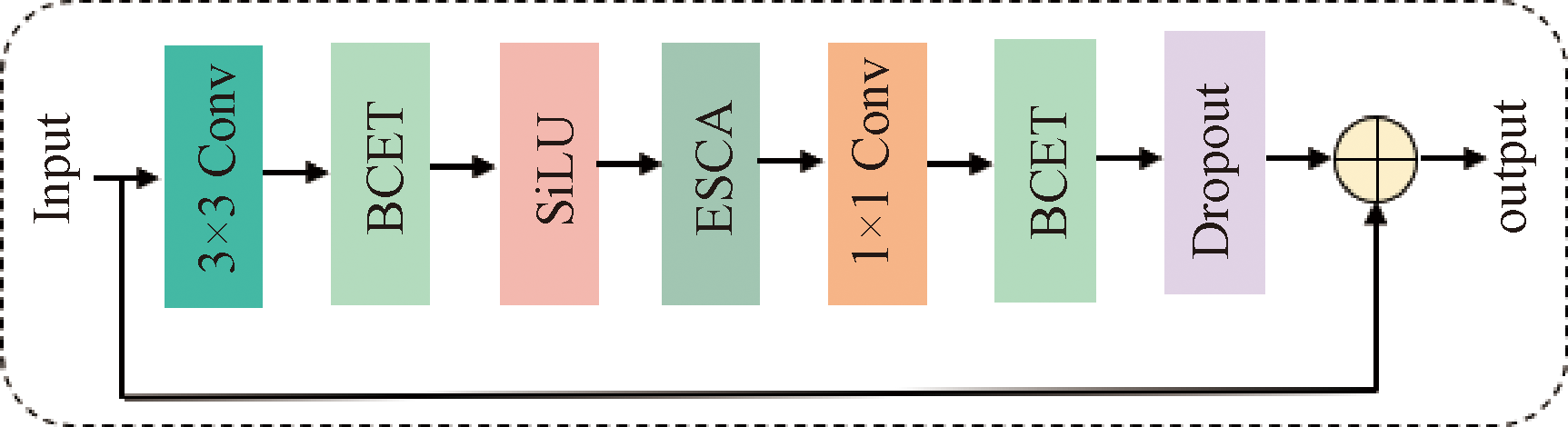
Fig.6 Schematic diagram of the EBF-MBConv base2 structure
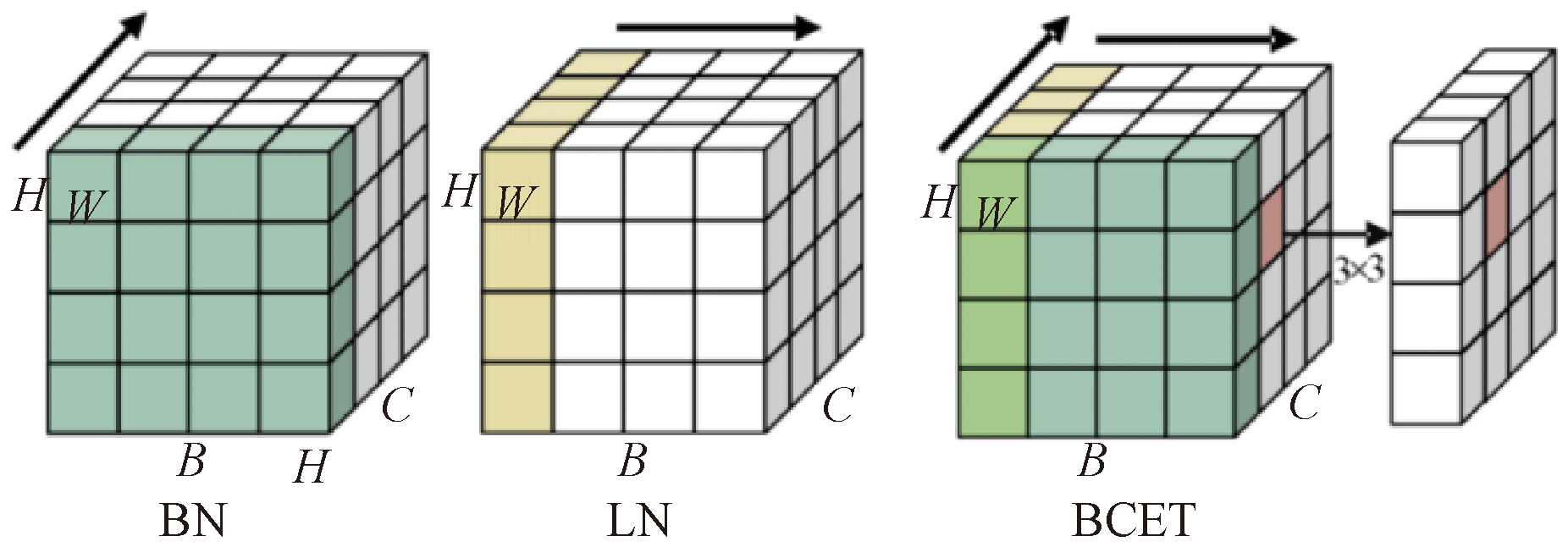
Fig.7 Schematic diagram of BCET normalization methods
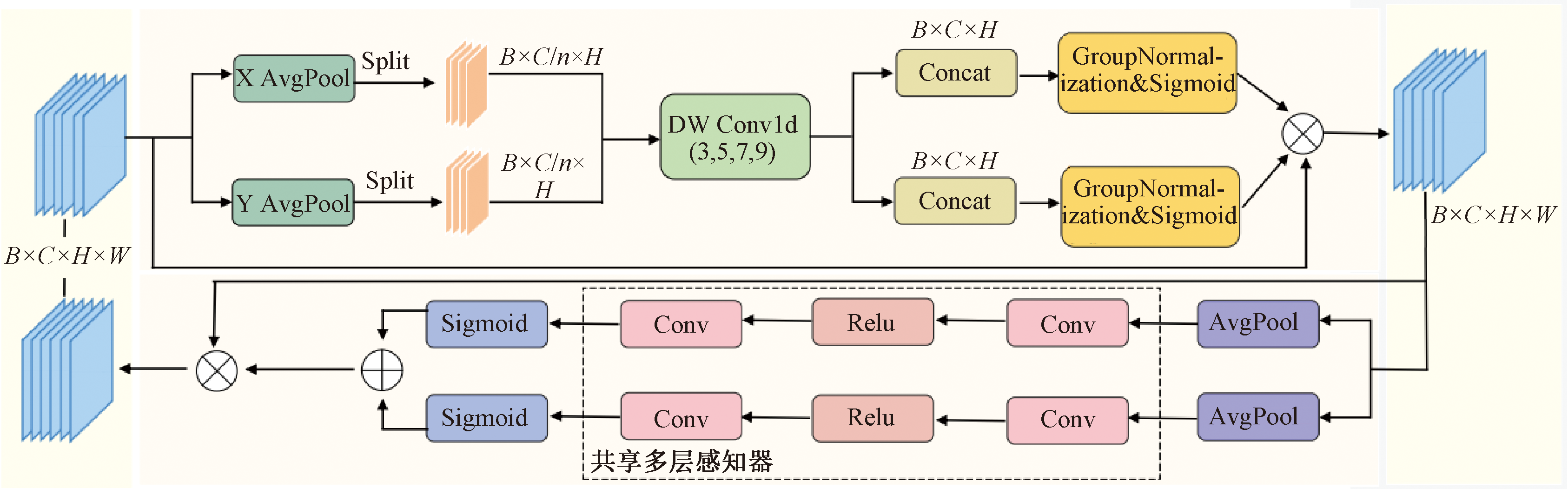
Fig.8 ESCA attention mechanism
| 归一化方法 | 精准度 | 召回率 | F1值 | 准确率 |
|---|---|---|---|---|
| 批归一化(BN) | 89.95 | 89.73 | 89.76 | 89.83 |
| 层归一化(LN) | 87.69 | 87.10 | 87.26 | 87.28 |
| 同步批量归一化(SN) | 89.59 | 88.38 | 88.68 | 88.55 |
| 实例归一化(IN) | 89.55 | 89.05 | 89.13 | 89.18 |
| 局部响应归一化(LRN) | 89.94 | 89.18 | 89.40 | 89.34 |
| 增强线性变换的批量归一化 (BNET) | 88.02 | 87.12 | 87.36 | 87.28 |
| 批量通道归一化(BCN) | 89.10 | 87.88 | 88.17 | 88.07 |
| 高速双通道归一化(BCET) | 92.36 | 92.42 | 92.33 | 92.53 |
Table 2 Comparison of different normalization methods 单位:%
| 归一化方法 | 精准度 | 召回率 | F1值 | 准确率 |
|---|---|---|---|---|
| 批归一化(BN) | 89.95 | 89.73 | 89.76 | 89.83 |
| 层归一化(LN) | 87.69 | 87.10 | 87.26 | 87.28 |
| 同步批量归一化(SN) | 89.59 | 88.38 | 88.68 | 88.55 |
| 实例归一化(IN) | 89.55 | 89.05 | 89.13 | 89.18 |
| 局部响应归一化(LRN) | 89.94 | 89.18 | 89.40 | 89.34 |
| 增强线性变换的批量归一化 (BNET) | 88.02 | 87.12 | 87.36 | 87.28 |
| 批量通道归一化(BCN) | 89.10 | 87.88 | 88.17 | 88.07 |
| 高速双通道归一化(BCET) | 92.36 | 92.42 | 92.33 | 92.53 |
| 类型 | 名称 | 参数量/106 | 精准度/% | 召回率/% | F1值/% | 准确率/% |
|---|---|---|---|---|---|---|
| 通道注意力 | 通道注意力机制(SE) | 19.25 | 89.95 | 89.73 | 89.76 | 89.83 |
| 高效通道注意力机制(ECA) | 19.25 | 89.49 | 88.91 | 89.02 | 89.03 | |
| 聚集-激发注意力机制(GE) | 24.51 | 88.39 | 88.20 | 88.61 | 89.76 | |
| 归一化注意力 | 非局部注意力机制(NAM) | 19.32 | 88.50 | 88.09 | 88.19 | 88.24 |
| 无参数注意力 | 简单注意力机制(SimAM) | 19.25 | 76.74 | 74.23 | 74.27 | 74.09 |
| 空间与通道注意力 | 高效多尺度注意力机制(EMA) | 19.66 | 88.31 | 87.49 | 87.66 | 87.59 |
| 卷积块注意力机制(CBAM) | 24.42 | 86.39 | 86.17 | 86.14 | 86.33 | |
| 协调注意力机制(CA) | 26.99 | 88.94 | 88.59 | 88.71 | 88.71 | |
| 多尺度共享注意力机制(ESCA) | 24.96 | 92.13 | 92.13 | 92.14 | 92.26 |
Table 3 Comparison of different attention mechanisms
| 类型 | 名称 | 参数量/106 | 精准度/% | 召回率/% | F1值/% | 准确率/% |
|---|---|---|---|---|---|---|
| 通道注意力 | 通道注意力机制(SE) | 19.25 | 89.95 | 89.73 | 89.76 | 89.83 |
| 高效通道注意力机制(ECA) | 19.25 | 89.49 | 88.91 | 89.02 | 89.03 | |
| 聚集-激发注意力机制(GE) | 24.51 | 88.39 | 88.20 | 88.61 | 89.76 | |
| 归一化注意力 | 非局部注意力机制(NAM) | 19.32 | 88.50 | 88.09 | 88.19 | 88.24 |
| 无参数注意力 | 简单注意力机制(SimAM) | 19.25 | 76.74 | 74.23 | 74.27 | 74.09 |
| 空间与通道注意力 | 高效多尺度注意力机制(EMA) | 19.66 | 88.31 | 87.49 | 87.66 | 87.59 |
| 卷积块注意力机制(CBAM) | 24.42 | 86.39 | 86.17 | 86.14 | 86.33 | |
| 协调注意力机制(CA) | 26.99 | 88.94 | 88.59 | 88.71 | 88.71 | |
| 多尺度共享注意力机制(ESCA) | 24.96 | 92.13 | 92.13 | 92.14 | 92.26 |
| 编号 | 改进策略 | 参数量/ 106 | 精准度/ % | 召回率/ % | F1值/ % | 准确 率/% |
|---|---|---|---|---|---|---|
| a | EfficientNetV2-S | 19.25 | 89.95 | 89.73 | 89.76 | 89.83 |
| b | EfficientNetV2-S+BCET | 19.25 | 92.36 | 92.42 | 92.33 | 92.53 |
| c | EfficientNetV2-S+ESCA | 24.96 | 92.13 | 92.13 | 92.14 | 92.26 |
| d | Efficient-BEANet | 21.50 | 93.32 | 93.24 | 93.25 | 93.32 |
Table 4 Ablation test results
| 编号 | 改进策略 | 参数量/ 106 | 精准度/ % | 召回率/ % | F1值/ % | 准确 率/% |
|---|---|---|---|---|---|---|
| a | EfficientNetV2-S | 19.25 | 89.95 | 89.73 | 89.76 | 89.83 |
| b | EfficientNetV2-S+BCET | 19.25 | 92.36 | 92.42 | 92.33 | 92.53 |
| c | EfficientNetV2-S+ESCA | 24.96 | 92.13 | 92.13 | 92.14 | 92.26 |
| d | Efficient-BEANet | 21.50 | 93.32 | 93.24 | 93.25 | 93.32 |
| 模型 | 参数量/ 106 | 精准度/ % | 召回率/ % | F1值/ % | 准确率/ % |
|---|---|---|---|---|---|
| AlexNet | 14.60 | 82.50 | 72.80 | 81.60 | 78.20 |
| VGG-16 | 134.29 | 87.00 | 86.85 | 86.93 | 86.96 |
| ResNet-34 | 21.29 | 86.87 | 86.59 | 85.69 | 86.17 |
| ResNet-50 | 23.52 | 88.36 | 87.84 | 87.74 | 87.59 |
| GoogleNet | 10.32 | 88.03 | 87.50 | 88.15 | 88.39 |
| ShuffleNet | 1.20 | 89.43 | 89.56 | 89.28 | 89.67 |
| DenseNet | 6.64 | 90.16 | 89.82 | 89.94 | 89.98 |
| RegNet | 3.73 | 88.02 | 87.79 | 87.86 | 87.92 |
| Efficient-BEANet | 21.50 | 93.32 | 93.24 | 93.25 | 93.32 |
Table 5 Comparison of recognition accuracy rates of different models
| 模型 | 参数量/ 106 | 精准度/ % | 召回率/ % | F1值/ % | 准确率/ % |
|---|---|---|---|---|---|
| AlexNet | 14.60 | 82.50 | 72.80 | 81.60 | 78.20 |
| VGG-16 | 134.29 | 87.00 | 86.85 | 86.93 | 86.96 |
| ResNet-34 | 21.29 | 86.87 | 86.59 | 85.69 | 86.17 |
| ResNet-50 | 23.52 | 88.36 | 87.84 | 87.74 | 87.59 |
| GoogleNet | 10.32 | 88.03 | 87.50 | 88.15 | 88.39 |
| ShuffleNet | 1.20 | 89.43 | 89.56 | 89.28 | 89.67 |
| DenseNet | 6.64 | 90.16 | 89.82 | 89.94 | 89.98 |
| RegNet | 3.73 | 88.02 | 87.79 | 87.86 | 87.92 |
| Efficient-BEANet | 21.50 | 93.32 | 93.24 | 93.25 | 93.32 |
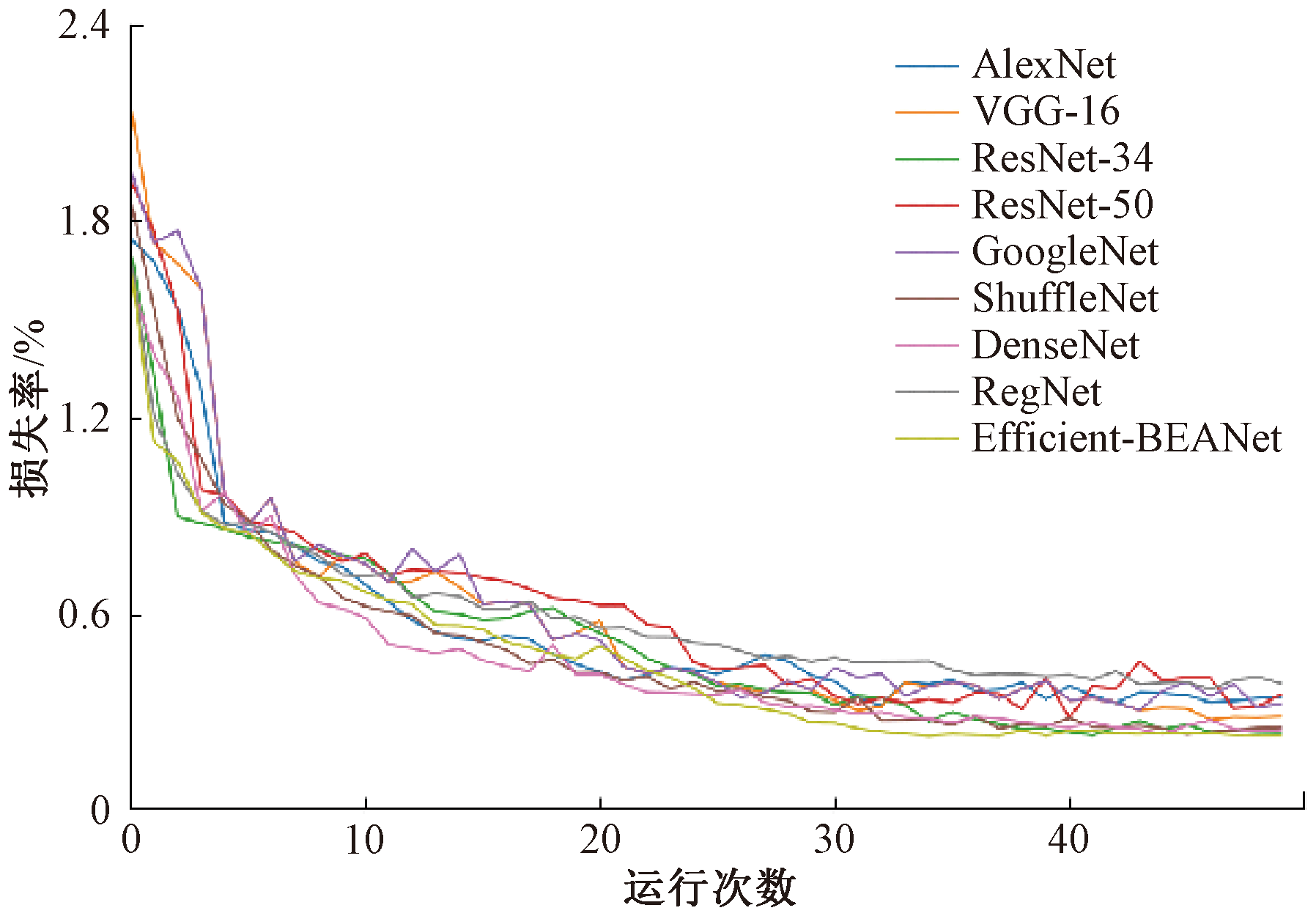
Fig.9 The training set loss rates of different models
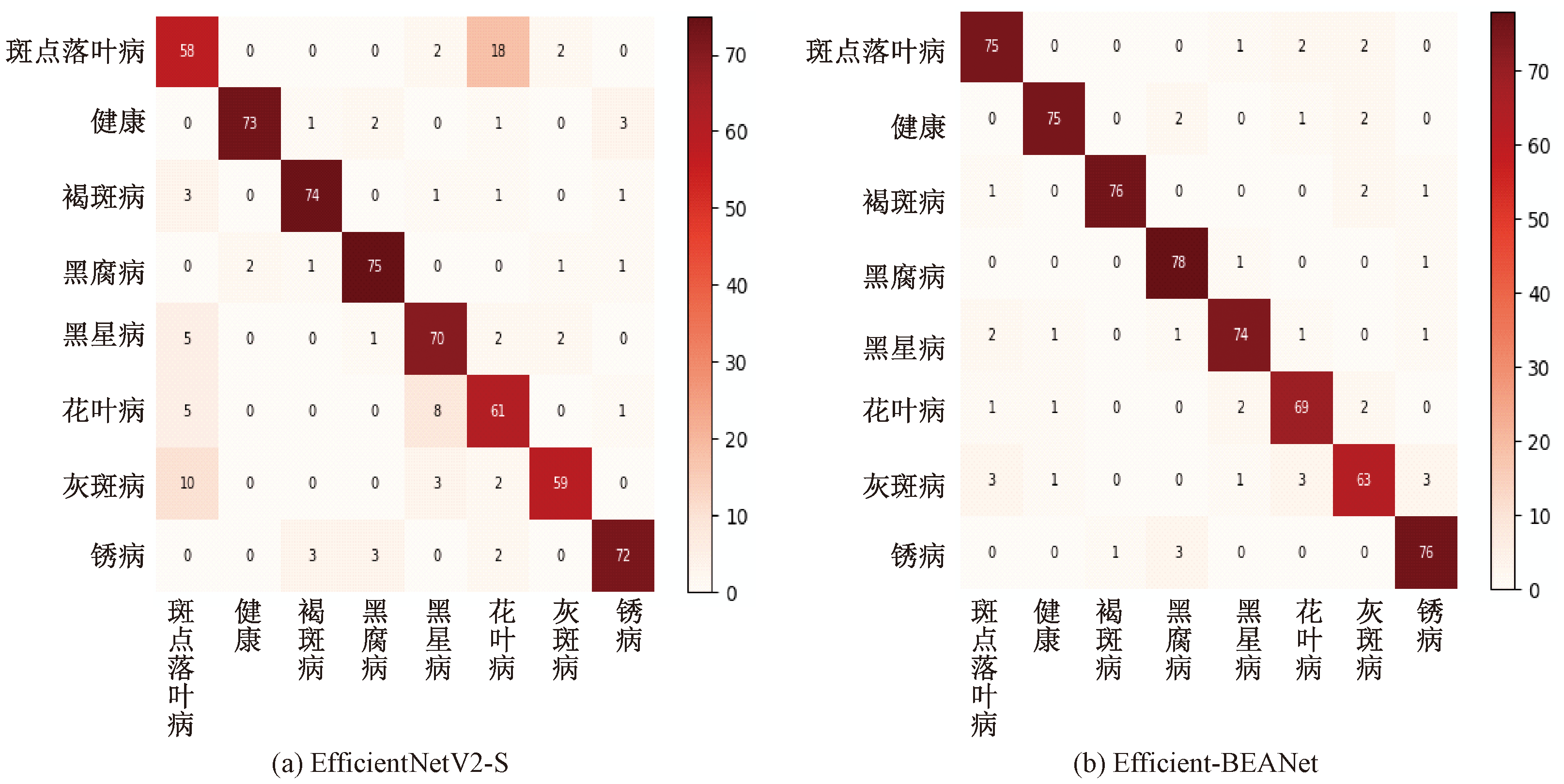
Fig.10 The confusion matrix diagram of the model EfficientNetV2-S (a) and model Efficient-BEANet (b) on the validation set
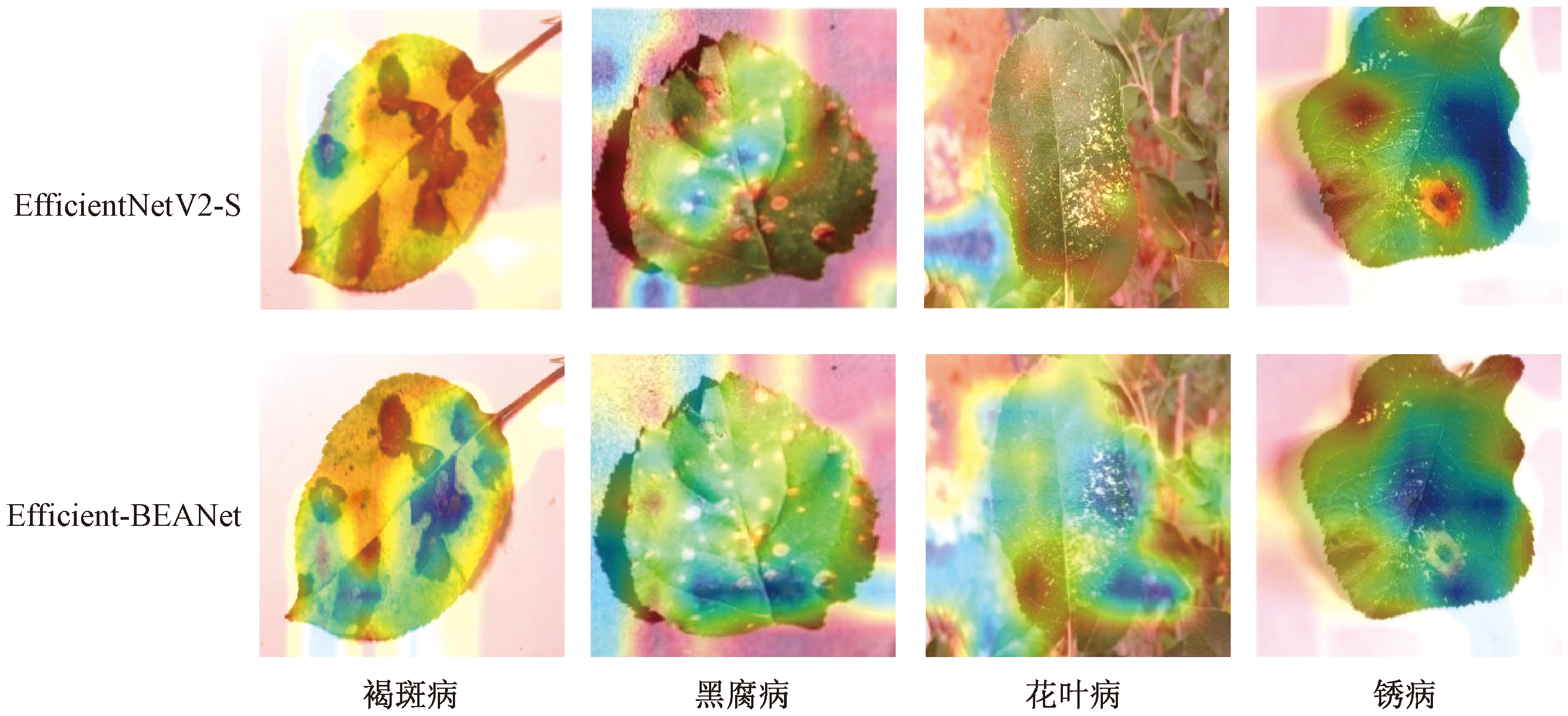
Fig.11 Class activation diagram of disease image of EfficientNetV2-S and Efficient-BEANet model
| [1] | 陈学森, 王楠, 彭福田, 等. 中国重要落叶果树果实品质和熟期育种研究进展[J]. 园艺学报, 2024, 51(1): 8-26. |
| CHEN X S, WANG N, PENG F T, et al. Advances in quality and maturity breeding of important deciduous fruit trees in China[J]. Acta Horticulturae Sinica, 2024, 51(1): 8-26. | |
| [2] | 王浩宇, 崔艳荣, 胡玉荣, 等. 基于改进EfficientNetV2的苹果叶片病害识别模型[J]. 山东农业科学, 2024, 56(9): 124-132. |
| WANG H Y, CUI Y R, HU Y R, et al. Apple leaf disease recognition model based on improved EfficientNetV2[J]. Shandong Agricultural Sciences, 2024, 56(9): 124-132. | |
| [3] | 王瑞鹏, 陈锋军, 朱学岩, 等. 采用改进的EfficientNet识别苹果叶片病害[J]. 农业工程学报, 2023, 39(18): 201-210. |
| WANG R P, CHEN F J, ZHU X Y, et al. Identifying apple leaf diseases using improved EfficientNet[J]. Transactions of the Chinese Society of Agricultural Engineering, 2023, 39(18): 201-210. | |
| [4] | 刘小玲, 崔艳荣. 基于改进轻量化网络MobileNeXt的苹果叶片病害识别方法[J]. 江苏农业科学, 2023, 51(10): 185-193. |
| LIU X L, CUI Y R. An improved method for apple leaf disease identification based on lightweight network MobileNeXt[J]. Jiangsu Agricultural Sciences, 2023, 51(10): 185-193. | |
| [5] | HOU Q B, ZHOU D Q, FENG J S. Coordinate attention for efficient mobile network design[C]// 2021 IEEE/CVF Conference on Computer Vision and Pattern Recognition (CVPR). June 20-25, 2021. Nashville, TN, USA. IEEE, 2021: 13708-13717. |
| [6] | CHEN S R. CNN combined with data augmentation for face recognition on small dataset[J]. Journal of Physics: Conference Series, 2023, 2634(1): 012040. |
| [7] | KHALED A. BCN: batch channel normalization for image classification[C]// International Conference on Pattern Recognition. Springer, Cham, 2025. |
| [8] | XU Y, XIE L, XIE C, et al. BNET: batch normalization with enhanced linear transformation[J]. IEEE Transactions on Pattern Analysis and Machine Intelligence, 2023, 45(7):8. |
| [9] | MNIH V, HEESS N, GRAVES A. Recurrent models of visual attention[J]. Advances in Neural Information Processing Systems, 2014, 27. |
| [10] | SI Y, XU H, ZHU X, et al. SCSA: exploring the synergistic effects between spatial and channel attention[J]. Neurocomputing, 2025, 634. |
| [11] | HUANG H J, CHEN Z G, ZOU Y, et al. Channel prior convolutional attention for medical image segmentation[J]. Computers in Biology and Medicine, 2024, 178: 108784. |
| [12] | WANG Q L, WU B G, ZHU P F, et al. ECA-net: efficient channel attention for deep convolutional neural networks[C]// 2020 IEEE/CVF Conference on Computer Vision and Pattern Recognition (CVPR). June 13-19, 2020. Seattle, WA, USA. IEEE, 2020: 11531-11539. |
| [13] | HU J, SHEN L, ALBANIE S, et al. Gather-excite: exploiting feature context in convolutional neural networks[J]. Advances in Neural Information Processing Systems, 2018, 31. |
| [14] | LIU Y, SHAO Z, TENG Y, et al. NAM: Normalization-based attention module[EB/OL]. ( 2021-11-24)[2024-08-20]. https://arxiv.org/abs/2111.12419. |
| [15] | OUYANG D L, HE S, ZHANG G Z, et al. Efficient multi-scale attention module with cross-spatial learning[C]// ICASSP 2023-2023 IEEE International Conference on Acoustics, Speech and Signal Processing (ICASSP). June 4-10, 2023, Rhodes Island, Greece. IEEE, 2023: 1-5. |
| [16] | WOO S, PARK J, LEE J Y, et al. CBAM: convolutional block attention module[C]// Computer Vision-ECCV 2018. Cham: Springer International Publishing, 2018: 3-19. |
| [17] | SZEGEDY C, LIU W, JIA Y Q, et al. Going deeper with convolutions[C]// 2015 IEEE Conference on Computer Vision and Pattern Recognition (CVPR). June 7-12, 2015, Boston, MA, USA. IEEE, 2015: 1-9. |
| [18] | HE K M, ZHANG X Y, REN S Q, et al. Deep residual learning for image recognition[C]// 2016 IEEE Conference on Computer Vision and Pattern Recognition (CVPR). June 27-30, 2016, Las Vegas, NV, USA. IEEE, 2016: 770-778. |
| [19] | ZHANG X Y, ZHOU X Y, LIN M X, et al. ShuffleNet: an extremely efficient convolutional neural network for mobile devices[C]// 2018 IEEE/CVF Conference on Computer Vision and Pattern Recognition. June 18-23, 2018, Salt Lake City, UT, USA. IEEE, 2018: 6848-6856. |
| [20] | HUANG G, LIU Z, VAN DER MAATEN L, et al. Densely connected convolutional networks[C]// 2017 IEEE Conference on Computer Vision and Pattern Recognition (CVPR). July 21-26, 2017, Honolulu, HI, USA. IEEE, 2017: 2261-2269. |
| [21] | XU J, PAN Y, PAN X L, et al. RegNet: self-regulated network for image classification[J]. IEEE Transactions on Neural Networks and Learning Systems, 2023, 34(11): 9562-9567. |
| No related articles found! |
| Viewed | ||||||
|
Full text |
|
|||||
|
Abstract |
|
|||||
