
Journal of Zhejiang Agricultural Sciences ›› 2026, Vol. 67 ›› Issue (10): 2541-2552.DOI: 10.16178/j.issn.0528-9017.20250306
Previous Articles Next Articles
CHANG Yixiao1,2,3( ), XU Jiayang1,2, ZHI Liying1,2,4, LI Jian1,2, JIN Mingkang2,5(), DING Kai1,2()
Received:2025-04-21
Online:2026-10-11
Published:2026-10-19
Contact:
JIN Mingkang,DING Kai
CLC Number:
CHANG Yixiao, XU Jiayang, ZHI Liying, LI Jian, JIN Mingkang, DING Kai. Effects of earthworms on bacterial communities and soil health in glyphosate-residual soil[J]. Journal of Zhejiang Agricultural Sciences, 2026, 67(10): 2541-2552.
Add to citation manager EndNote|Ris|BibTeX
URL: http://www.zjnykx.cn/EN/10.16178/j.issn.0528-9017.20250306
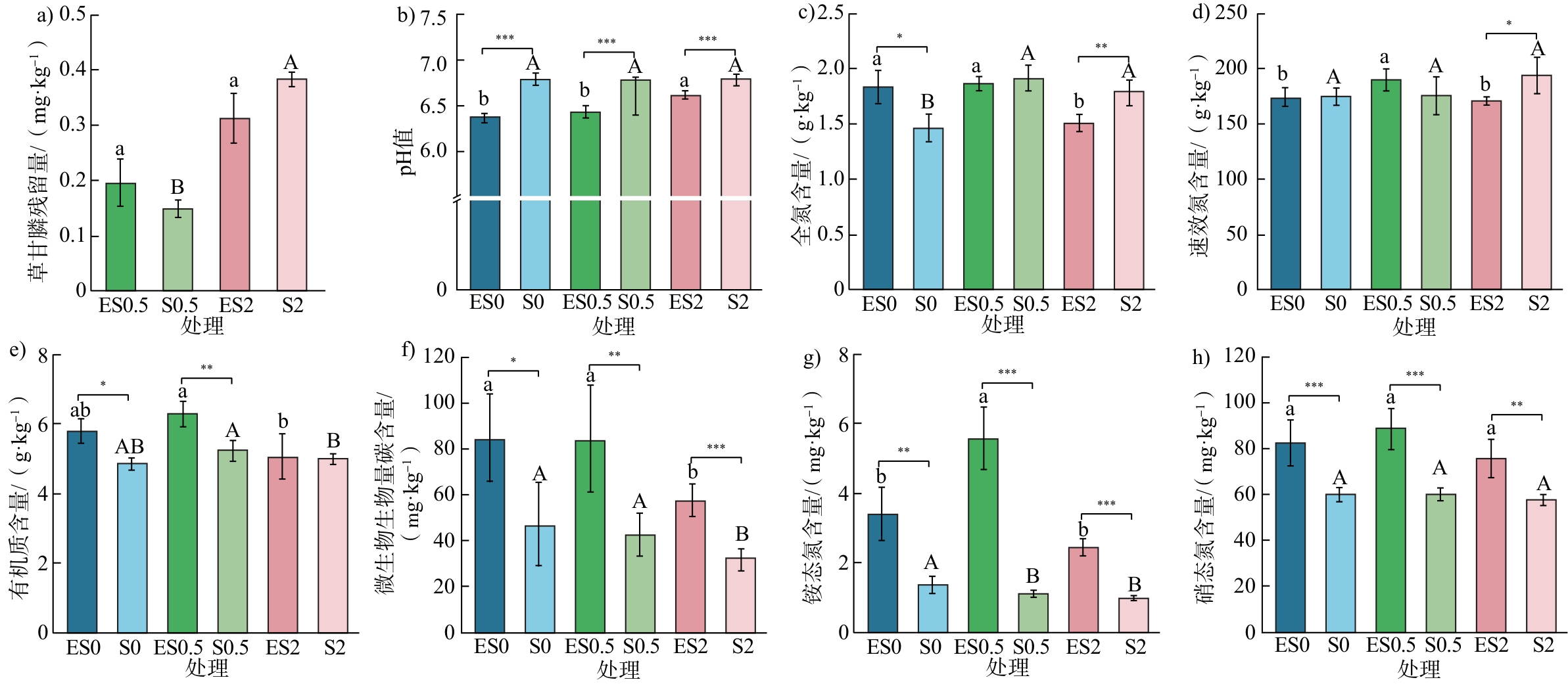
Fig.1 The effect of earthworm activity on the physicochemical properties of soil containing glyphosate residues
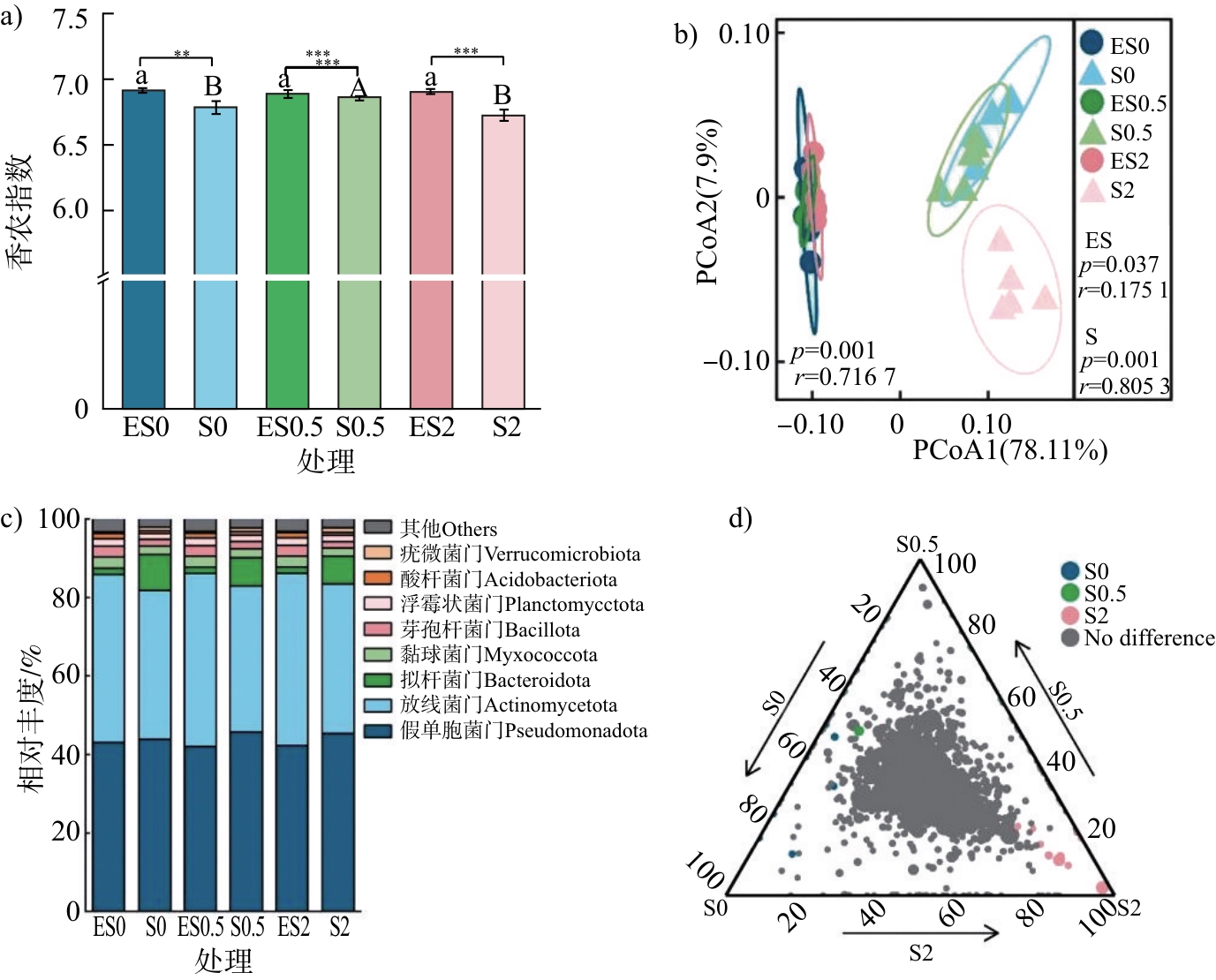
Fig.2 The effect of earthworm activity on the bacterial community in soil containing glyphosate residues
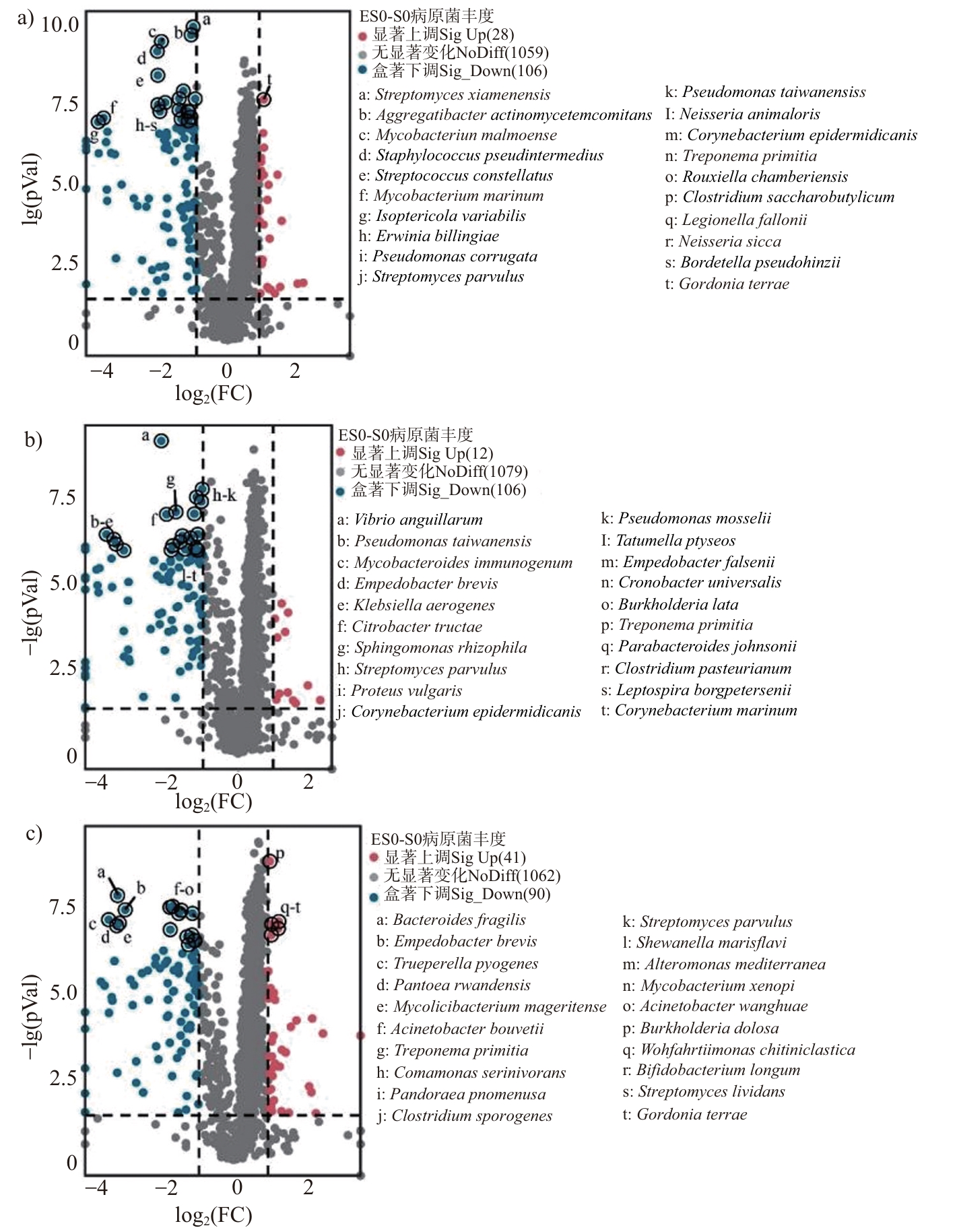
Fig.3 The volcano image of soil pathogen
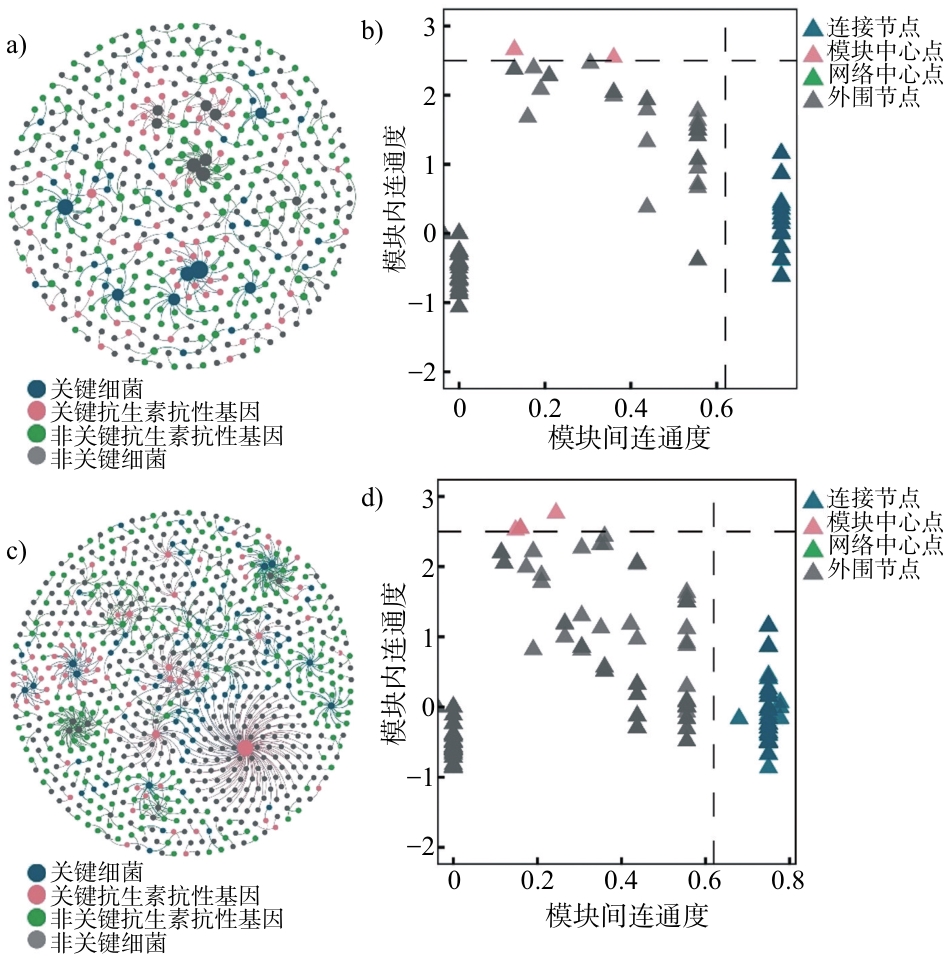
Fig.4 Effect of earthworm activity on the network of soil pathogenic bacteria-ARGs associations
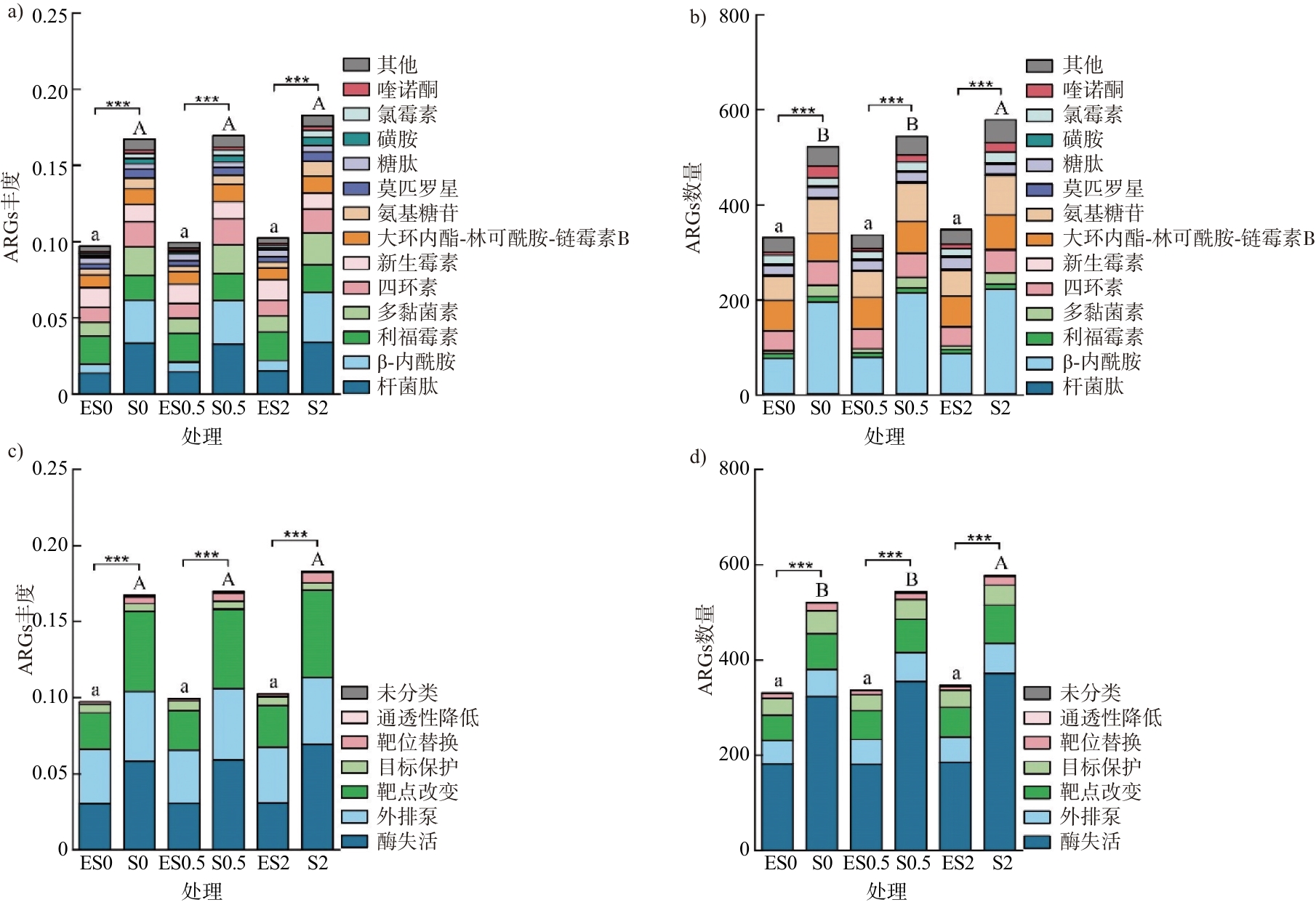
Fig.5 Compositional characteristics of soil ARGs by drug class and resistance mechanism under different treatment conditions
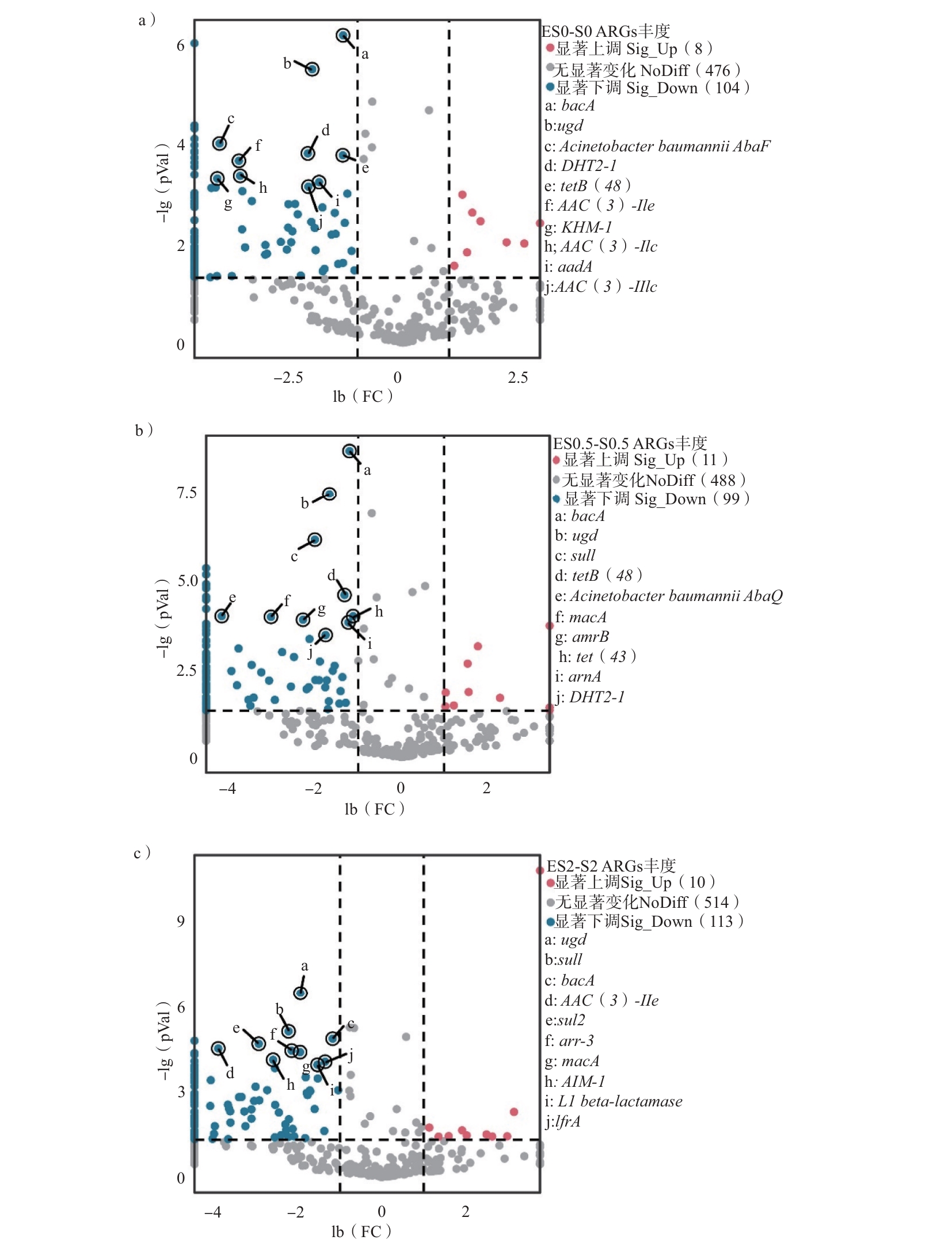
Fig.6 The volcano of soil ARGs under different treatments
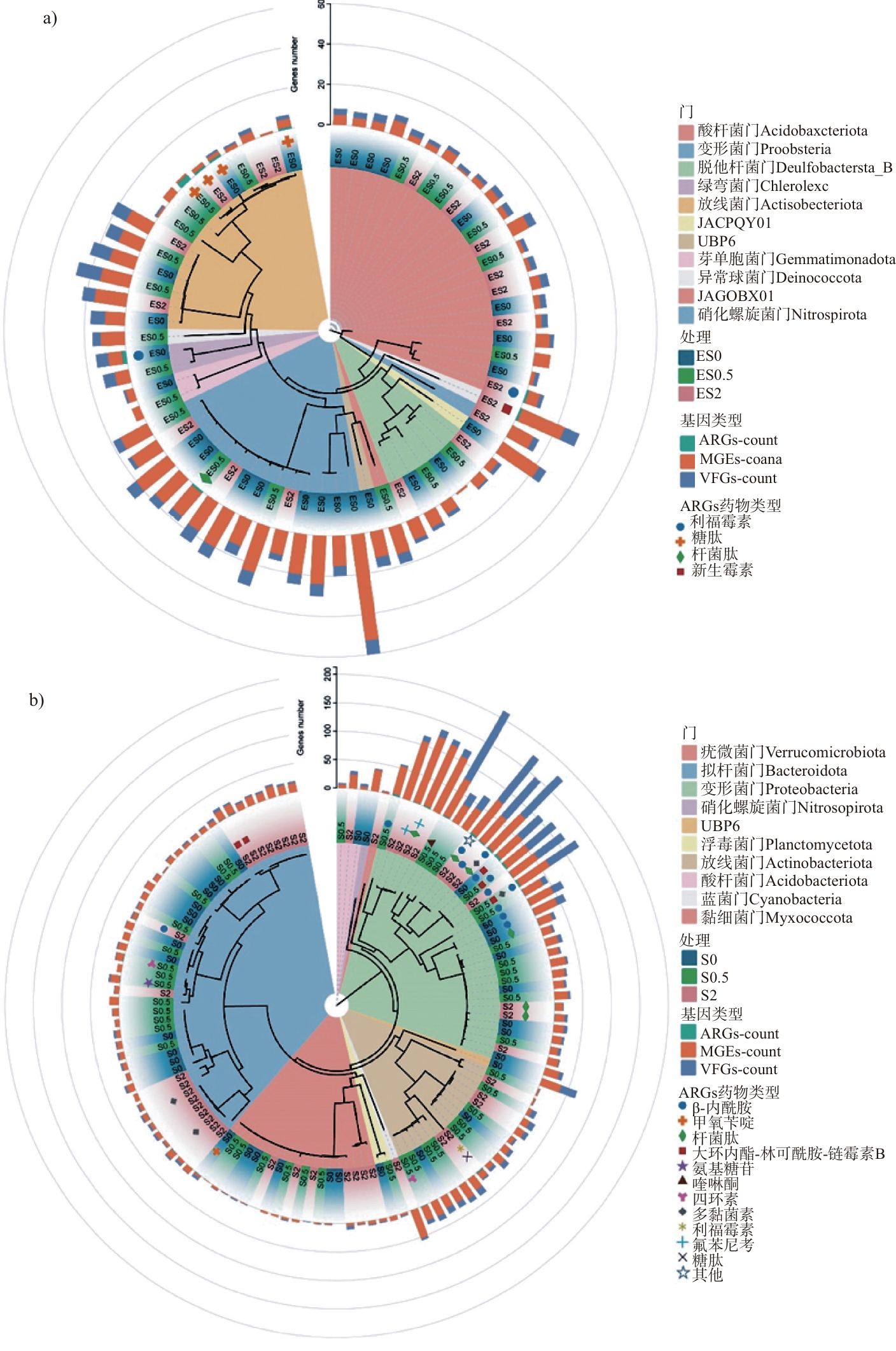
Fig.7 Effect of earthworm activity on the phylogeny and carrying characteristics of antibiotic resistance genes(ARGs),mobile genetic elements(MGEs),virulence factor genes(VFGs)in soil MAGs
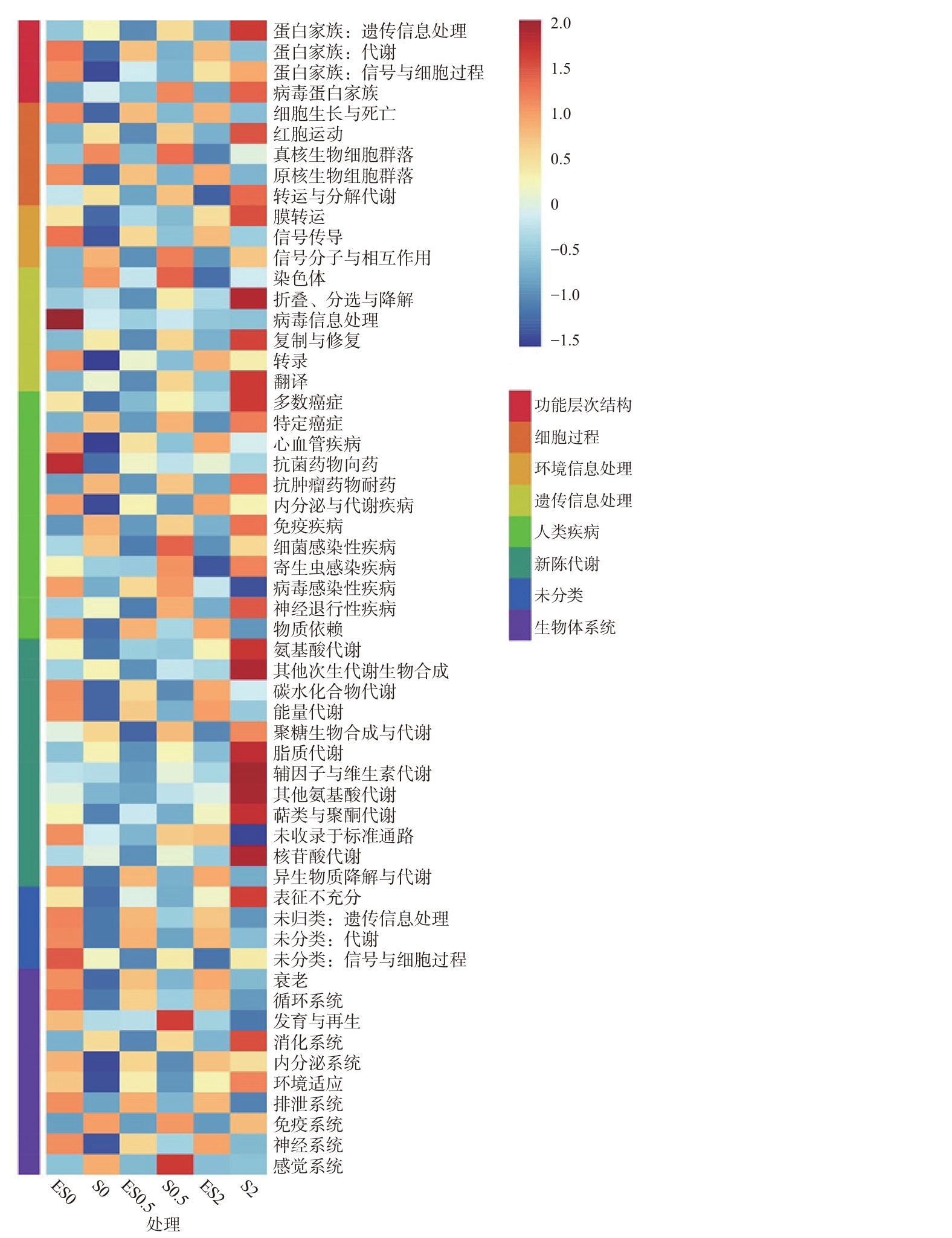
Fig. 8 KEGG functional annotation of soil microbiota under different treatments
| [1] | Singh S, Kumar V, Datta S,et al. Glyphosate uptake,translocation,resistance emergence in crops,analytical monitoring,toxicity and degradation:a review[J]. Environmental Chemistry Letters,2020,18(3):663-702. |
| [2] | Hu M F, Liu K F, Qiu J S,et al. Behavior of imidazolinone herbicide enantiomers in earthworm-soil microcosms:degradation and bioaccumulation[J]. Science of the Total Environment,2020,707:135476. |
| [3] | Pelosi C, Bertrand C, Bretagnolle V,et al. Glyphosate,AMPA and glufosinate in soils and earthworms in a French arable landscape[J]. Chemosphere,2022,301:134672. |
| [4] | Ferrante M, Rapisarda P, Grasso A,et al. Glyphosate and environmental toxicity with “One Health” approach,a review[J]. Environmental Research,2023,235:116678. |
| [5] | Ruuskanen S, Fuchs B, Nissinen R,et al. Ecosystem consequences of herbicides:the role of microbiome[J]. Trends in Ecology & Evolution,2023,38(1):35-43. |
| [6] | Lupwayi N Z, Blackshaw R E, Geddes C M,et al. Multi-year and multi-site effects of recurrent glyphosate applications on the wheat rhizosphere microbiome[J]. Environmental Research,2022,215:114363. |
| [7] | Banerjee S, van der Heijden M G A. Soil microbiomes and One Health[J]. Nature Reviews Microbiology,2023,21(1):6-20. |
| [8] | Van Bruggen A H C, He M M, Shin K,et al. Environmental and health effects of the herbicide glyphosate[J]. Science of the Total Environment,2018,616:255-268. |
| [9] | Liao H P, Li X, Yang Q E,et al. Herbicide selection promotes antibiotic resistance in soil microbiomes[J]. Molecular Biology and Evolution,2021,38(6):2337-2350. |
| [10] | Zhu Y G, Zhao Y, Zhu D,et al. Soil biota,antimicrobial resistance and planetary health[J]. Environment International,2019,131:105059. |
| [11] | Mishra S, Pang S M, Zhang W P,et al. Insights into the microbial degradation and biochemical mechanisms of carbamates[J]. Chemosphere,2021,279:130500. |
| [12] | Rossi F, Carles L, Donnadieu F,et al. Glyphosate-degrading behavior of five bacterial strains isolated from stream biofilms[J]. Journal of Hazardous Materials,2021,420:126651. |
| [13] | Sun M M, Chao H Z, Zheng X X,et al. Ecological role of earthworm intestinal bacteria in terrestrial environments:a review[J]. Science of the Total Environment,2020,740:140008. |
| [14] | Cayuela M L, Clause J, Frouz J,et al. Interactive feedbacks between soil fauna and soil processes[J]. Frontiers in Environmental Science,2020,8:14. |
| [15] | Lescano M R, Masin C E, Rodríguez A R,et al. Earthworms to improve glyphosate degradation in biobeds[J]. Environmental Science and Pollution Research,2020,27(21):27023-27031. |
| [16] | Drake H L, Horn M A. As the worm turns:the earthworm gut as a transient habitat for soil microbial biomes[J]. Annual Review of Microbiology,2007,61:169-189. |
| [17] | Zhang Q M, Saleem M, Wang C X. Effects of biochar on the earthworm(Eisenia foetida)in soil contaminated with and/or without pesticide mesotrione[J]. Science of the Total Environment,2019,671:52-58. |
| [18] | Wang H T, Ding J, Xiong C,et al. Exposure to microplastics lowers arsenic accumulation and alters gut bacterial communities of earthworm Metaphire californica [J]. Environmental Pollution,2019,251:110-116. |
| [19] | Zhu G F, Du R J, Du D L,et al. Keystone taxa shared between earthworm gut and soil indigenous microbial communities collaboratively resist chlordane stress[J]. Environmental Pollution,2021,283:117095. |
| [20] | 杨思德,常兴平,潘政,等. 蚯蚓对金霉素污染土壤酶活性和微生物群落的影响[J]. 农业环境科学学报,2021(6):1268-1280. |
| [21] | Yang Y H, Chen T T, Liu X C,et al. Ecological risk assessment and environment carrying capacity of soil pesticide residues in vegetable ecosystem in the Three Gorges Reservoir Area[J]. Journal of Hazardous Materials,2022,435:128987. |
| [22] | Parks D H, Imelfort M, Skennerton C T,et al. CheckM:assessing the quality of microbial genomes recovered from isolates,single cells,and metagenomes[J]. Genome Research,2015,25(7):1043-1055. |
| [23] | Chaumeil P A, Mussig A J, Hugenholtz P,et al. GTDB-Tk v2:memory friendly classification with the Genome Taxonomy Database[J]. Bioinformatics,2022,38(23):5315-5316. |
| [24] | Xie J M, Chen Y R, Cai G J,et al. Tree Visualization By One Table(tvBOT):a web application for visualizing,modifying and annotating phylogenetic trees[J]. Nucleic Acids Research,2023,51(W1):W587-W592. |
| [25] | Ling N, Zhu C, Xue C,et al. Insight into how organic amendments can shape the soil microbiome in long-term field experiments as revealed by network analysis[J]. Soil Biology and Biochemistry,2016,99:137-149. |
| [26] | Pass D A, Morgan A J, Read D S,et al. The effect of anthropogenic arsenic contamination on the earthworm microbiome[J]. Environmental Microbiology,2015,17(6):1884-1896. |
| [27] | Wang H T, Zhu D, Li G,et al. Effects of arsenic on gut microbiota and its biotransformation genes in earthworm Metaphire sieboldi [J]. Environmental Science & Technology,2019,53(7):3841-3849. |
| [28] | Van Groenigen J W, Van Groenigen K J, Koopmans G F,et al. How fertile are earthworm casts?: a meta-analysis[J]. Geoderma,2019,338:525-535. |
| [29] | Lubbers I M, Pulleman M M, Van Groenigen J W. Can earthworms simultaneously enhance decomposition and stabilization of plant residue carbon?[J]. Soil Biology and Biochemistry,2017,105:12-24. |
| [30] | Bertrand M, Barot S, Blouin M,et al. Earthworm services for cropping systems:a review[J]. Agronomy for Sustainable Development,2015,35(2):553-567. |
| [31] | Eriksen-Hamel N S, Whalen J K. Impacts of earthworms on soil nutrients and plant growth in soybean and maize agroecosystems[J]. Agriculture,Ecosystems & Environment,2007,120(2/3/4):442-448. |
| [32] | 周垂帆,王玉军,俞元春,等. 铜和草甘膦对蚯蚓的毒性效应研究[J]. 中国生态农业学报,2012,20(8):1077-1082. |
| [33] | Lefcheck J S, Byrnes J E K, Isbell F,et al. Biodiversity enhances ecosystem multifunctionality across trophic levels and habitats[J]. Nature Communications,2015,6:6936. |
| [34] | Martínez J L. Antibiotics and antibiotic resistance genes in natural environments[J]. Science,2008,321(5887):365-367. |
| [35] | Wang M Y, Hao Q Y, Lessing D J,et al. Pseudomonas putida HE alleviates glyphosate-induced toxicity in earthworm:insights from the neurological,reproductive and immunological status[J]. Environmental Pollution,2024,359:124554. |
| [36] | Cao G Y, Liu Y J, Liu G M,et al. Draft genome sequence of Pseudomonas strain p818,isolated from glyphosate-polluted soil[J]. Genome Announcements,2013,1(6):e01079-e01013. |
| [37] | Dempsey M A, Fisk M C, Fahey T J. Earthworms increase the ratio of bacteria to fungi in northern hardwood forest soils,primarily by eliminating the organic horizon[J]. Soil Biology and Biochemistry,2011,43(10):2135-2141. |
| [38] | Soliveres S, van der Plas F, Manning P,et al. Biodiversity at multiple trophic levels is needed for ecosystem multifunctionality[J]. Nature,2016,536(7617):456-459. |
| [39] | Liu Z T, Ma R A, Zhu D,et al. Organic fertilization co-selects genetically linked antibiotic and metal(loid)resistance genes in global soil microbiome[J]. Nature Communications,2024,15:5168. |
| [40] | Zhu D, Delgado-Baquerizo M, Su J Q,et al. Deciphering potential roles of earthworms in mitigation of antibiotic resistance in the soils from diverse ecosystems[J]. Environmental Science & Technology,2021,55(11):7445-7455. |
| [41] | Udikovic-Kolic N, Wichmann F, Broderick N A,et al. Bloom of resident antibiotic-resistant bacteria in soil following manure fertilization[J]. Proceedings of the National Academy of Sciences of the United States of America,2014,111(42):15202-15207. |
| [42] | Shehata A A, Schrödl W, Aldin A A,et al. The effect of glyphosate on potential pathogens and beneficial members of poultry microbiota in vitro [J]. Current Microbiology,2013,66(4):350-358. |
| [43] | Huang H N, Feng G Q, Wang M,et al. Nitric oxide:a neglected driver for the conjugative transfer of antibiotic resistance genes among wastewater microbiota[J]. Environmental Science & Technology,2022,56(10):6466-6478. |
| [44] | Lerner A, Matthias T, Aminov R. Potential effects of horizontal gene exchange in the human gut[J]. Frontiers in Immunology,2017,8:1630. |
| [45] | Shitha C. Impact of glyphosate and chlorpyriphos on chemical and biological properties of lateritic soil[D]. Vellanikkara, India: Kerala Agricultural University,2014. |
| [46] | Jouquet P, Dauber J, Lagerlöf J,et al. Soil invertebrates as ecosystem engineers:intended and accidental effects on soil and feedback loops[J]. Applied Soil Ecology,2006,32(2):153-164. |
| [1] | CAO Yiwen, SUN Ping, WU Jiaqi, CHEN Chenfei, LIN Xianrui, SHEN Jiansheng. Effects of different disinfection methods on soil microbial flora of continuous cropping strawberry [J]. Journal of Zhejiang Agricultural Sciences, 2026, 67(9): 2255-2264. |
| [2] | FU Zhuangzhuang, GONG Yuhang, LI Feifei. Callus induction and identification of glyphosate resistance in indica rice Minghui 86 [J]. Journal of Zhejiang Agricultural Sciences, 2026, 67(5): 1221-1225. |
| [3] | HE Quanping, HUANG Liang, QIN Jiahao, XU Bingjie, WANG Yuyan, CHEN Siyu, YANG Xiaoe, LIU Di. Distribution characteristics of antibiotics and their resistance genes in the surrounding forest land of pig farm [J]. Journal of Zhejiang Agricultural Sciences, 2026, 67(2): 495-503. |
| [4] | CHEN Yanhua, SUN Lian, LU Yan, HU Liang, LI Fangyong, HAN Kefeng. Effect of earthworm organic liquid fertilizer on strawberry growth [J]. Journal of Zhejiang Agricultural Sciences, 2025, 66(5): 1087-1090. |
| [5] | TONG Wenbin, ZHENG Zehua, YANG Haijun, LI Ronghui, YE Zhengqian. Profile analysis of soil bacterial community distribution and nitrogen metabolism in citrus orchard under combined application of animal and poultry organic fertilizer and chemical fertilizer [J]. Journal of Zhejiang Agricultural Sciences, 2025, 66(3): 760-768. |
| [6] | WANG Jingbang, WANG Yafei, YAO Yanlai, ZHU Fengxiang, WANG Weiping, HONG Chunlai, ZHU Weijing, HONG Leidong. Research progress of ultra-high temperature compost in the reduction of biological pollution such as antibiotic resistance genes in organic solid waste [J]. Journal of Zhejiang Agricultural Sciences, 2024, 65(12): 3061-3067. |
| [7] | WANG Ze, ZHANG Mingkui. Effects of facility plantation on the physico-chemical and biological properties of orchard soils [J]. Journal of Zhejiang Agricultural Sciences, 2024, 65(11): 2607-2611. |
| Viewed | ||||||
|
Full text |
|
|||||
|
Abstract |
|
|||||
