
Journal of Zhejiang Agricultural Sciences ›› 2026, Vol. 67 ›› Issue (2): 481-487.DOI: 10.16178/j.issn.0528-9017.20240802
Previous Articles Next Articles
FEI Zhonghua1( ), JIANG Xiaoli1, WU Fei1, CHEN Yijie2, YE Shiyi2, LI Junxing2()
Received:2024-10-15
Online:2026-02-28
Published:2026-03-07
Contact:
LI Junxing
CLC Number:
FEI Zhonghua, JIANG Xiaoli, WU Fei, CHEN Yijie, YE Shiyi, LI Junxing. Isolation,identification,and drug resistance analysis of pathogenic Escherichia coli causing diarrhea in Hu sheep[J]. Journal of Zhejiang Agricultural Sciences, 2026, 67(2): 481-487.
Add to citation manager EndNote|Ris|BibTeX
URL: http://www.zjnykx.cn/EN/10.16178/j.issn.0528-9017.20240802
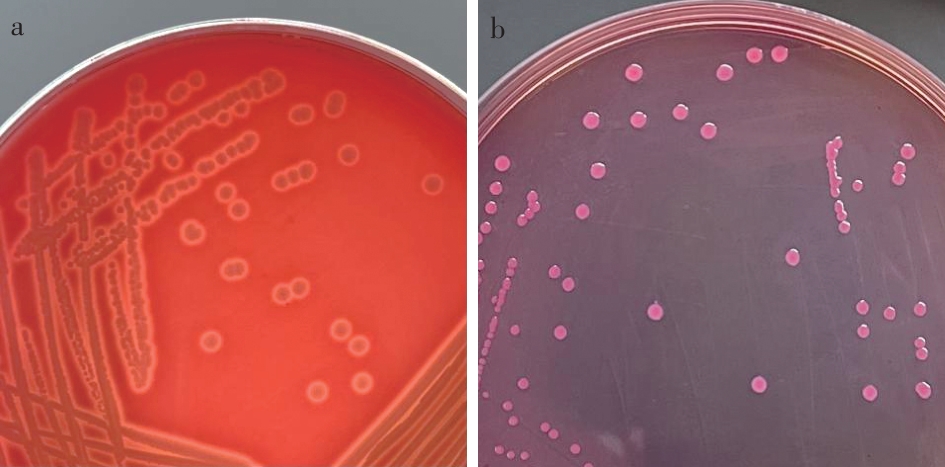
Fig. 1 Colony morphology of the isolated bacteria on blood agar and MacConkey agar medium
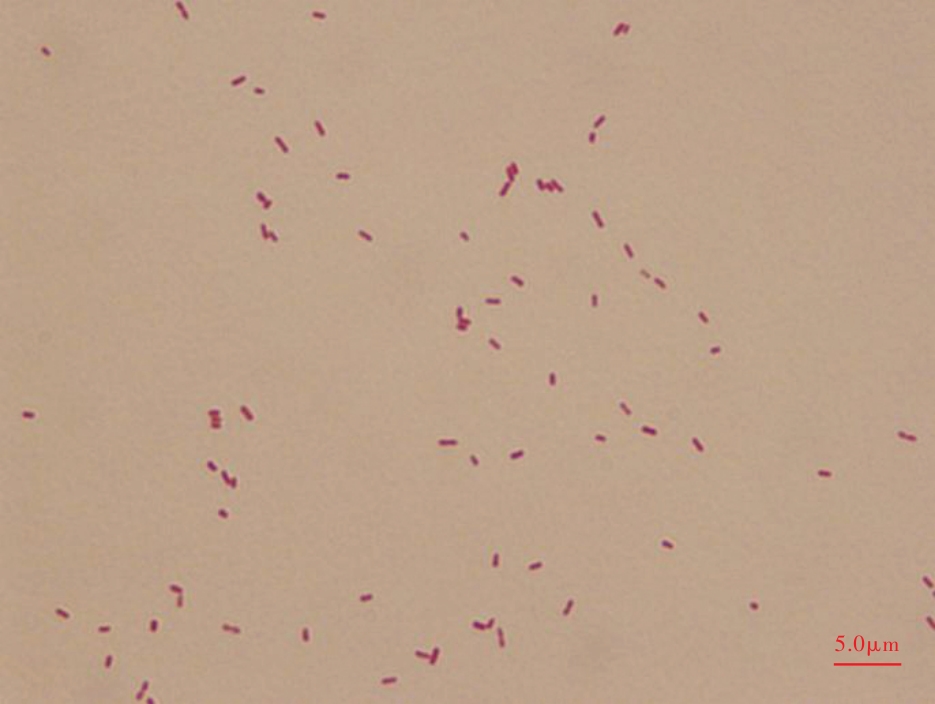
Fig. 2 Gram-staining microscopy of the isolated bacteria
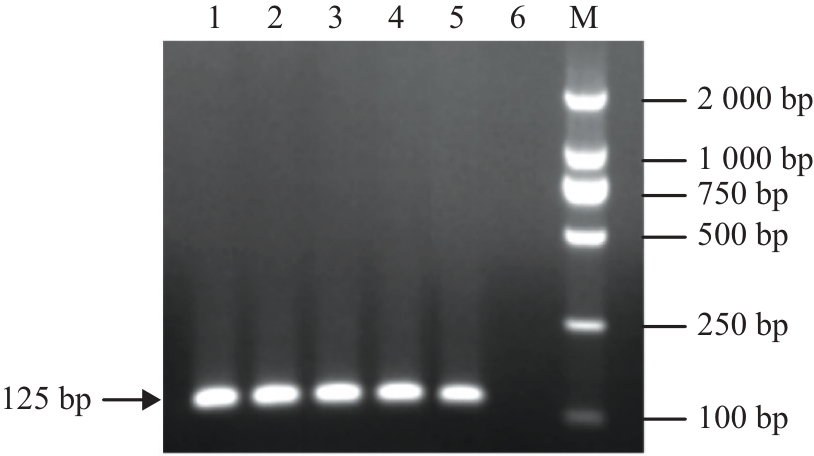
Fig. 3 Verification electrophoretogram of east1-positive strains
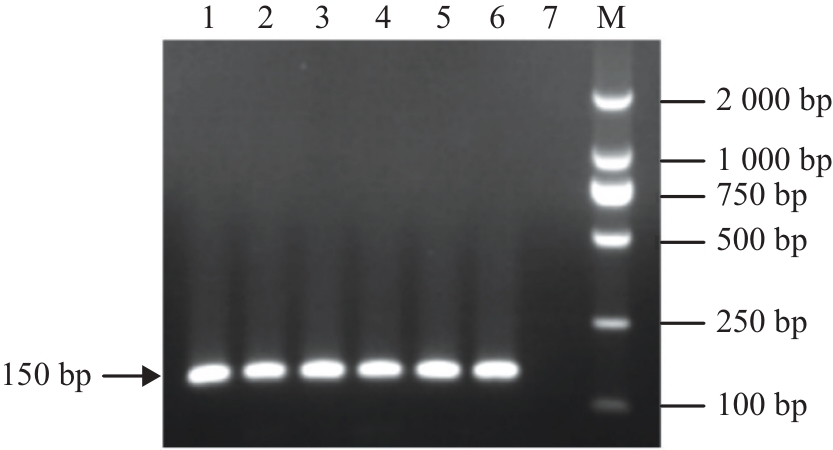
Fig. 4 Verification electrophoretogram of stx1-positive strains
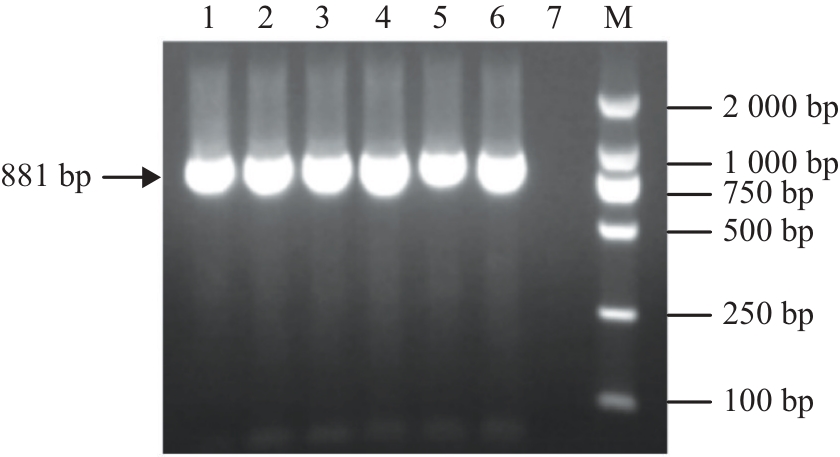
Fig. 5 Verification electrophoretogram of eaeA-positive strains
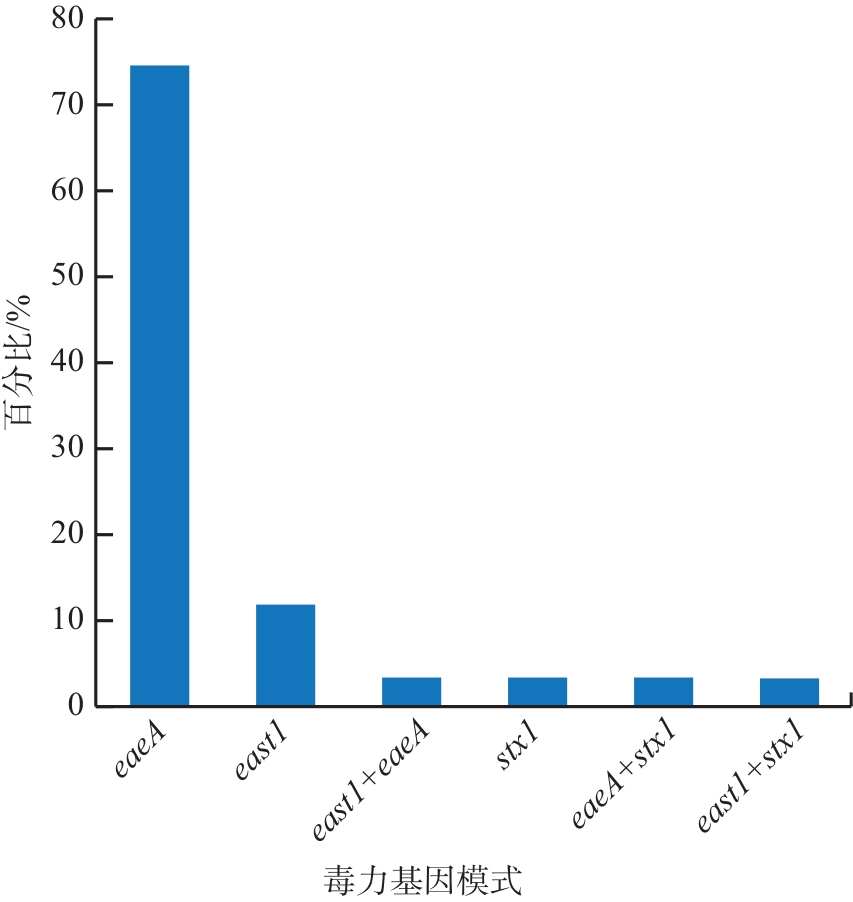
Fig. 6 Detection rate of bacterial strains with different virulence gene patterns
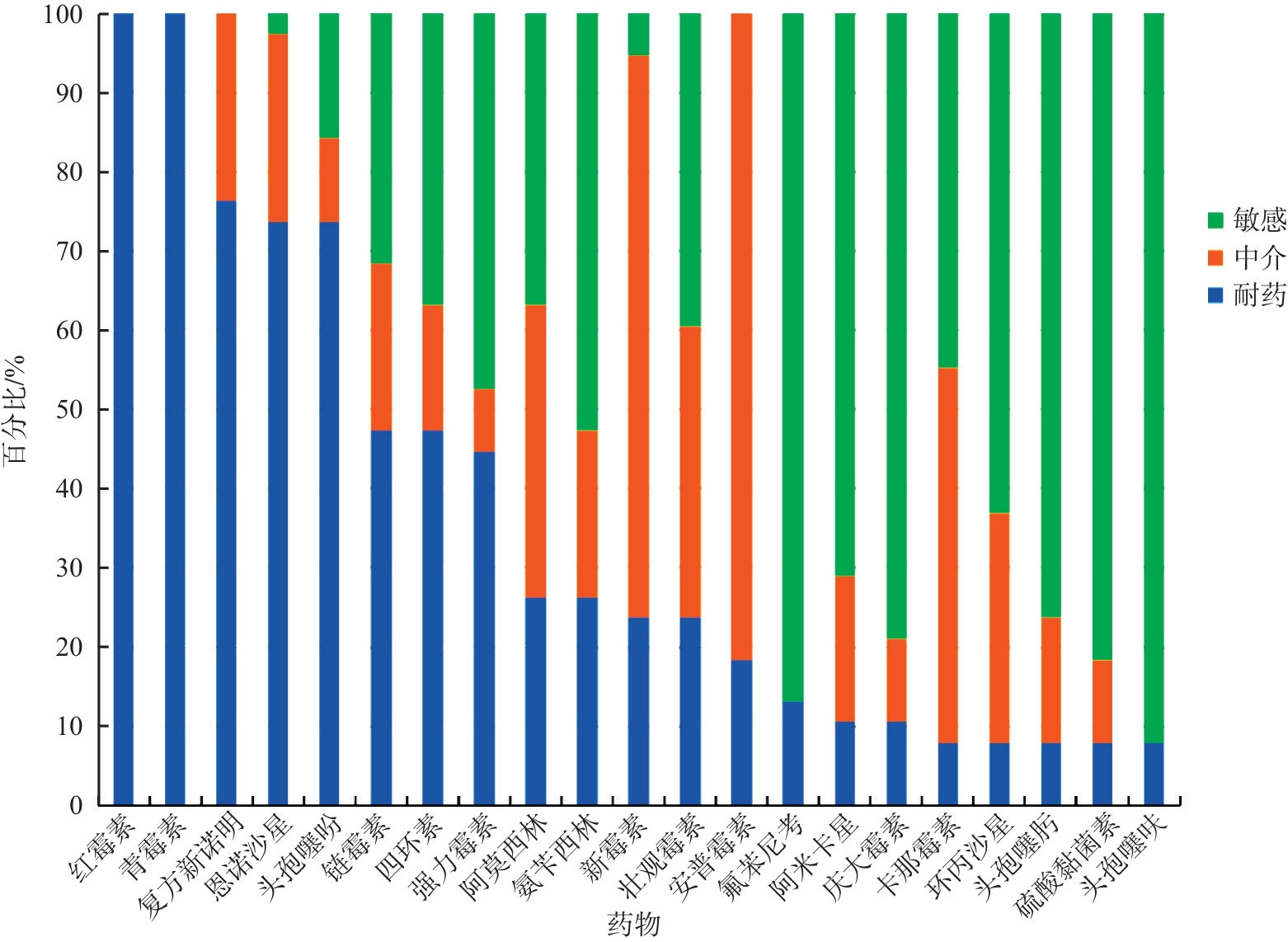
Fig. 7 Antibiotic resistance profile of the 38 E. coli strains
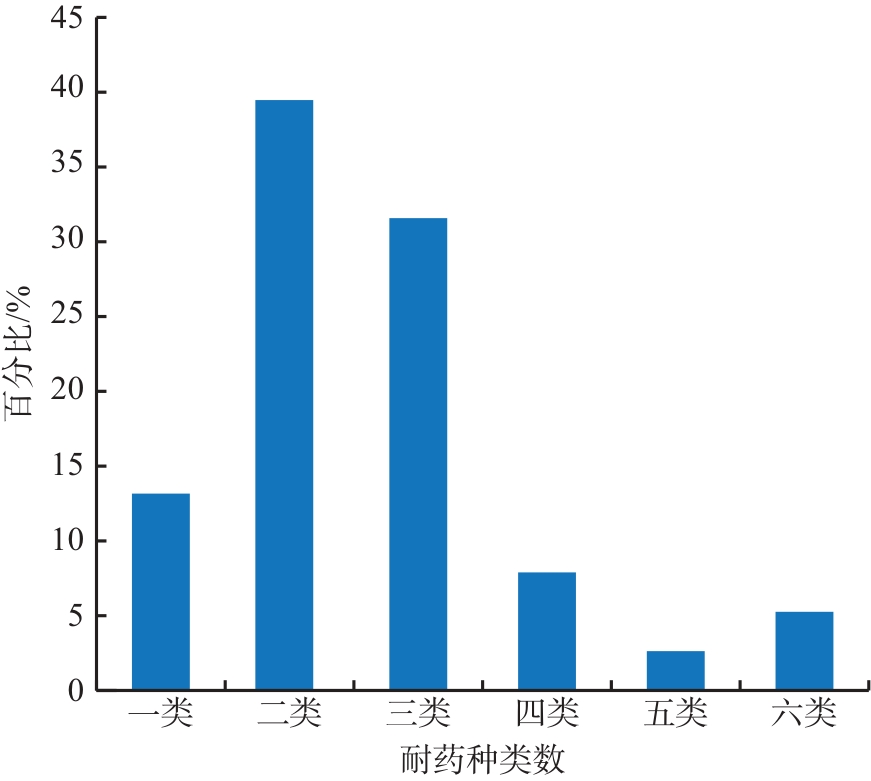
Fig. 8 Distribution of isolates by number of antibiotic classes resisted
| [1] | GARCÍA A, FOX J G. A one health perspective for defining and deciphering Escherichia coli pathogenic potential in multiple hosts[J]. Comparative Medicine,2021,71(1):3-45. |
| [2] | 宋美英. 致病性牛源大肠杆菌毒力基因分子流行病学调查和耐药突变选择窗的应用[D]. 哈尔滨:东北农业大学,2017. |
| SONG M Y. Detection of virulence genes,antibiotic resistance and mutant prevention concentration of pathogenic E .coli isolated from cattle[D]. Harbin:Northeast Agricultural University,2017. | |
| [3] | 孙晖,赵爱兰,白向宁,等. 不同来源肠致病性大肠杆菌(EPEC)分离株eae基因分析[J]. 实用预防医学,2014,21(7):773-775,772. |
| SUN H, ZHAO A L, BAI X N,et al. Typing of intimin(eae)genes from enteropathogenic Escherichia coli strains isolated from human beings and different animal species[J]. Practical Preventive Medicine,2014,21(7):773-775,772. | |
| [4] | MORA A, BLANCO J E, BLANCO M,et al. Antimicrobial resistance of Shiga toxin(verotoxin)-producing Escherichia coli O157:H7 and non-O157 strains isolated from humans,cattle,sheep and food in Spain[J]. Research in Microbiology,2005,156(7):793-806. |
| [5] | ASKARI BADOUEI M, JAJARMI M, MIRSALEHIAN A. Virulence profiling and genetic relatedness of Shiga toxin-producing Escherichia coli isolated from humans and ruminants[J]. Comparative Immunology,Microbiology and Infectious Diseases,2015,38:15-20. |
| [6] | 刘飞,宋定州,李键,等. 产志贺毒素大肠杆菌的流行病学及致病因子的研究进展[J]. 中国畜牧兽医,2014,41(1):187-191. |
| LIU F, SONG D Z, LI J,et al. Research progress on shiga toxin-produing Escherichia coli epidemiology and virulence factors[J]. China Animal Husbandry & Veterinary Medicine,2014,41(1):187-191. | |
| [7] | TANEIKE I, ZHANG H M, WAKISAKA-SAITO N,et al. Enterohemolysin operon of Shiga toxin-producing Escherichia coli:a virulence function of inflammatory cytokine production from human monocytes[J]. FEBS Letters,2002,524(1/2/3):219-224. |
| [8] | MONAGHAN Á, BYRNE B, FANNING S,et al. Serotypes and virulence profiles of atypical enteropathogenic Escherichia coli(EPEC)isolated from bovine farms and abattoirs[J]. Journal of Applied Microbiology,2013,114(2):595-603. |
| [9] | VETTORATO M P, LEOMIL L, GUTH B E C,et al. Properties of Shiga toxin-producing Escherichia coli(STEC)isolates from sheep in the State of São Paulo,Brazil[J]. Veterinary Microbiology,2003,95(1/2):103-109. |
| [10] | DJORDJEVIC S P, RAMACHANDRAN V, BETTELHEIM K A,et al. Serotypes and virulence gene profiles of Shiga toxin-producing Escherichia coli strains isolated from feces of pasture-fed and lot-fed sheep[J]. Applied and Environmental Microbiology,2004,70(7):3910-3917. |
| [11] | MARTINS F H, GUTH B E C, PIAZZA R M,et al. Diversity of Shiga toxin-producing Escherichia coli in sheep flocks of Paraná State,southern Brazil[J]. Veterinary Microbiology,2015,175(1):150-156. |
| [12] | BANATVALA N, DEBEUKELAER M M, GRIFFIN P M,et al. Shiga-like toxin-producing Escherichia coli O111 and associated hemolytic-uremic syndrome:a family outbreak[J]. The Pediatric Infectious Disease Journal,1996,15(11):1008-1011. |
| [13] | 胡夏佩,王惠,孔学维,等. 反刍动物产志贺毒素大肠杆菌的分离鉴定和致病潜力分析[J]. 微生物学报,2021,61(8):2495-2505. |
| HU X P, WANG H, KONG X W,et al. Isolation,identification and pathogenic potential analysis of Shiga toxin-producing Escherichia from ruminants[J]. Acta Microbiologica Sinica,2021,61(8):2495-2505. | |
| [14] | 顾丛丛,薛涛,徐婷婷,等. 江苏某地健康绵羊群产志贺毒素大肠杆菌体内分离株的分子流行病学及致病力[J]. 微生物学报,2011,51(5):676-683. |
| GU C C, XUE T, XU T T,et al. Epidemiological investigation of Shiga toxin-producing Escherichia coli isolates originated from healthy sheep in one farm of Jiangsu Province and their pathogenicity[J]. Acta Microbiologica Sinica,2011,51(5):676-683. | |
| [15] | 姚晓慧,隆茂俊,库尔班乃木·卡地尔,等. 新疆焉耆县不同动物源大肠杆菌耐药性调查[J]. 新疆农业科学,2017,54(12):2314-2319. |
| YAO X H, LONG M J, KUERBANNAIMU K D E,et al. Survey of resistance of Escherichia coli from different animals to antimicrobials in Yanqi,Xinjiang[J]. Xinjiang Agricultural Sciences,2017,54(12):2314-2319. | |
| [16] | 刘鑫欢,恽佳蕾,毛立,等. 羊腹泻样本中大肠杆菌的分离、毒力基因与耐药性分析[J]. 畜牧兽医学报,2023,54(8):3445-3454. |
| LIU X H, YUN J L, MAO L,et al. Isolation,identification,virulence genes and drug resistance analysis of Escherichia coli isolated from diarrheal goat and sheep[J]. Acta Veterinaria et Zootechnica Sinica,2023,54(8):3445-3454. | |
| [17] | 宋晓莉,成大荣,刘晓明,等. 临床腹泻肉羊源大肠杆菌流行病学调查及耐药性分析[J]. 黑龙江畜牧兽医,2019(23):71-75,80. |
| SONG X L, CHENG D R, LIU X M,et al. Epidemiological investigation and drug resistance analysis of Escherichia coli from clinical diarrhea meat sheep[J]. Heilongjiang Animal Science and Veterinary Medicine,2019(23):71-75,80. | |
| [18] | ZAJACOVA Z S, KONSTANTINOVA L, ALEXA P. Detection of virulence factors of Escherichia coli focused on prevalence of EAST1 toxin in stool of diarrheic and non-diarrheic piglets and presence of adhesion involving virulence factors in astA positive strains[J]. Veterinary Microbiology,2012,154(3/4):369-375. |
| [19] | YANG X, SUN H, FAN R Y,et al. Genetic diversity of the intimin gene(eae)in non-O157 Shiga toxin-producing Escherichia coli strains in China[J]. Scientific Reports,2020,10:3275. |
| [20] | NDEGWA E, O'BRIEN D, MATTHEW K,et al. Shiga toxin subtypes,serogroups,phylogroups,RAPD genotypic diversity,and select virulence markers of Shiga-toxigenic Escherichia coli strains from goats in mid-Atlantic US[J]. Microorganisms,2022,10(9):1842. |
| [21] | 刘英玉,朱明月,苏晓月,等. 新疆库尔勒地区羊源产志贺毒素大肠杆菌及其耐药性分析[J]. 中国农业科技导报,2020,22(5):122-128. |
| LIU Y Y, ZHU M Y, SU X Y,et al. Analysis of drug resistance and the Shiga toxin-producing Escherichia coli in sheep from Korla Region of Xinjiang[J]. Journal of Agricultural Science and Technology,2020,22(5):122-128. | |
| [22] | 郑晓风,张妍,刘英玉,等. 新疆部分地区牛羊源产志贺毒素大肠埃希菌菌株检测与分析[J]. 畜牧兽医学报,2020,51(10):2518-2527. |
| ZHENG X F, ZHANG Y, LIU Y Y,et al. Detection and analysis of Shiga toxin-producing Escherichia coli isolates from cattle and sheep sources in some regions of Xinjiang,China[J]. Chinese Journal of Animal and Veterinary Sciences,2020,51(10):2518-2527. | |
| [23] | WIRIYAPROM R, NGASAMAN R, KAEWNOI D,et al. Prevalence and virulent gene profiles of sorbitol non-fermenting shiga toxin-producing Escherichia coli isolated from goats in southern Thailand[J]. Tropical Medicine and Infectious Disease,2022,7(11):357. |
| [24] | PERSAD A K, RAJASHEKARA G, LEJEUNE J T. Shiga toxin(stx)encoding genes in sheep and goats reared in Trinidad and Tobago[J]. PLoS One,2022,17(11):e0277564. |
| [25] | 刘正明,李金泉,黄德浩,等. 内蒙古地区羊源大肠杆菌耐药性研究[J]. 中国畜牧兽医,2017,44(3):839-846. |
| LIU Z M, LI J Q, HUANG D H,et al. Study on the drug-resistance of Escherichia coli isolated from sheep in Inner Mongolia[J]. China Animal Husbandry & Veterinary Medicine,2017,44(3):839-846. | |
| [26] | 底丽娜,赵红琼,夏利宁,等. 新疆不同动物源大肠埃希菌耐药性比较[J]. 动物医学进展,2015,36(1):121-127. |
| DI L N, ZHAO H Q, XIA L N,et al. Comparison of antimicrobial drugs resistance of E.coli isolates to from different animals in Xinjiang[J]. Progress in Veterinary Medicine,2015,36(1):121-127. | |
| [27] | 冯杰,马剑钢,张新,等. 宁夏地区羊源大肠埃希氏菌的分离鉴定及耐药性检测[J]. 动物医学进展,2022,43(5):126-130. |
| FENG J, MA J G, ZHANG X,et al. Isolation,identification and antimicrobial resistance detection of Escherichia coli from sheep in Ningxia[J]. Progress in Veterinary Medicine,2022,43(5):126-130. |
| [1] | CHEN Qiaodan, CHEN Yijie, CHENG Jufen, YUAN Xiufang, YU Bin, SU Fei, YE Shiyi, XU Lihua, ZHANG Hui, LI Junxing. Isolation, identification, and drug resistance analysis of Streptococcus equi subsp. zooepidemicus from guinea pigs [J]. Journal of Zhejiang Agricultural Sciences, 2025, 66(6): 1496-1500. |
| [2] | OUYANG Kai, TAN Siyi, ZHANG Weisong, ZHI Qingqing. Isolation and identification of rhizosphere microorganisms and endophytes in okra [J]. Journal of Zhejiang Agricultural Sciences, 2025, 66(5): 1072-1077. |
| [3] | HU Bin, ZHENG Huichao, WANG Haiqing, HUANG Xin, ZHANG Li, CHENG Jufen, GONG Liyang. Effects of different silage on the growth performance of Hu sheep [J]. Journal of Zhejiang Agricultural Sciences, 2025, 66(12): 3063-3065. |
| [4] | JIANG Liming, CHEN Yijie, YUAN Xiufang, LI Junxing. Isolation, virulence gene identification, and antimicrobial resistance analysis of hybrid enterotoxigenic and Shiga toxin-producing Escherichia coli (ETEC/STEC) strain from pigs [J]. Journal of Zhejiang Agricultural Sciences, 2024, 65(8): 1939-1943. |
| [5] | LI Hongli, LU Jian, ZHAO Yun, HUANG Haitao, CUI Hongchun, ZHU Jianjie, REN Guohua. Screening,identification and antagonistic mechanism for biological control of tea anthracnose [J]. Journal of Zhejiang Agricultural Sciences, 2024, 65(8): 1902-1907. |
| [6] | BIAN Sushu, YU Bo, LAN Xumin, YE Feng, SHEN Jialuan, QIAN Dinghai, LUO Xueming. Application of multi-fetal B-ultrasound in Hu sheep breeding system [J]. Journal of Zhejiang Agricultural Sciences, 2024, 65(7): 1695-1699. |
| [7] | NI Donglin, JIANG Yongqing. Exploration and practice on strengthening the integration of agricultural machinery and animal husbandry to improve the mechanization level of animal husbandry [J]. Journal of Zhejiang Agricultural Sciences, 2024, 65(10): 2354-2357. |
| Viewed | ||||||
|
Full text |
|
|||||
|
Abstract |
|
|||||
