
Journal of Zhejiang Agricultural Sciences ›› 2026, Vol. 67 ›› Issue (2): 495-503.DOI: 10.16178/j.issn.0528-9017.20250818
Previous Articles Next Articles
HE Quanping1( ), HUANG Liang1, QIN Jiahao1, XU Bingjie1,2, WANG Yuyan1, CHEN Siyu1,2, YANG Xiaoe3, LIU Di1,2()
Received:2025-11-04
Online:2026-02-28
Published:2026-03-07
Contact:
LIU Di
CLC Number:
HE Quanping, HUANG Liang, QIN Jiahao, XU Bingjie, WANG Yuyan, CHEN Siyu, YANG Xiaoe, LIU Di. Distribution characteristics of antibiotics and their resistance genes in the surrounding forest land of pig farm[J]. Journal of Zhejiang Agricultural Sciences, 2026, 67(2): 495-503.
Add to citation manager EndNote|Ris|BibTeX
URL: http://www.zjnykx.cn/EN/10.16178/j.issn.0528-9017.20250818
| 林地类型 | 总氮含量/(mg·kg-1) | 总磷含量/(mg·kg-1) | 总钾含量/ (mg·kg-1) | 镉含量/(mg·kg-1) | 铅含量/(mg·kg-1) | 铜含量/(mg·kg-1) | 钙含量/(mg·kg-1) | 铁含量/(mg·kg-1) |
|---|---|---|---|---|---|---|---|---|
| 普通林地 | 1 672.08 ± 32.64 a | 327.50 ± 2.12 b | 11 335.00 ± 516.19 a | <2 | 19.10 ± 1.41 a | 20.10 ± 1.70 a | 1 585.50 ± 133.64 b | 23 795.00 ± 3 797.16 a |
| 猪场林地 | 1 704.99 ± 38.16 a | 452.50 ± 2.12 a | 10 340.00 ± 56.57 a | <2 | 19.75 ± 2.19 a | 19.15 ± 2.05 a | 3 150.00 ± 272.94 a | 21 395.00 ± 2 892.07 a |
| 林地类型 | 锌含量/(mg·kg-1) | pH值 | 阳离子交换量/(cmol·kg-1) | 有机质含量/(g·kg-1) | 黏粒(D<2 μm)/% | 粉粒(2≤D<20 μm)/% | 砂粒 (D≥20 μm)/% | |
| 普通林地 | 51.35 ± 11.38 a | 5.21 ± 0.03 b | 7.05 ± 0.29 b | 31.08 ± 3.06 a | 10.41 ± 0.10 a | 57.72 ± 0.42 a | 31.87 ± 0.33 a | |
| 猪场林地 | 59.15 ± 12.66 a | 7.10 ± 0.02 a | 13.76 ± 0.51 a | 27.68 ± 1.28 a | 9.54 ± 0.10 a | 56.75 ± 0.35 a | 33.71 ± 0.35 a |
Table 1 Basic physical and chemical properties of forest soil
| 林地类型 | 总氮含量/(mg·kg-1) | 总磷含量/(mg·kg-1) | 总钾含量/ (mg·kg-1) | 镉含量/(mg·kg-1) | 铅含量/(mg·kg-1) | 铜含量/(mg·kg-1) | 钙含量/(mg·kg-1) | 铁含量/(mg·kg-1) |
|---|---|---|---|---|---|---|---|---|
| 普通林地 | 1 672.08 ± 32.64 a | 327.50 ± 2.12 b | 11 335.00 ± 516.19 a | <2 | 19.10 ± 1.41 a | 20.10 ± 1.70 a | 1 585.50 ± 133.64 b | 23 795.00 ± 3 797.16 a |
| 猪场林地 | 1 704.99 ± 38.16 a | 452.50 ± 2.12 a | 10 340.00 ± 56.57 a | <2 | 19.75 ± 2.19 a | 19.15 ± 2.05 a | 3 150.00 ± 272.94 a | 21 395.00 ± 2 892.07 a |
| 林地类型 | 锌含量/(mg·kg-1) | pH值 | 阳离子交换量/(cmol·kg-1) | 有机质含量/(g·kg-1) | 黏粒(D<2 μm)/% | 粉粒(2≤D<20 μm)/% | 砂粒 (D≥20 μm)/% | |
| 普通林地 | 51.35 ± 11.38 a | 5.21 ± 0.03 b | 7.05 ± 0.29 b | 31.08 ± 3.06 a | 10.41 ± 0.10 a | 57.72 ± 0.42 a | 31.87 ± 0.33 a | |
| 猪场林地 | 59.15 ± 12.66 a | 7.10 ± 0.02 a | 13.76 ± 0.51 a | 27.68 ± 1.28 a | 9.54 ± 0.10 a | 56.75 ± 0.35 a | 33.71 ± 0.35 a |
| 林地类型 | 四环素含量 | 诺氟沙星含量 | 磺胺二甲嘧啶含量 | 双氯芬酸含量 | 氯霉素含量 |
|---|---|---|---|---|---|
| 普通林地(范围) | 0~19.98 | 0~48.78 | 0.41~1.33 | 0~0.68 | 6.77~117.87 |
| 普通林地(平均值) | 12.99 ± 6.50 b | 29.85 ± 15.10 b | 0.86 ± 0.38 b | 0.37 ± 0.20 a | 62.32 ± 45.36 a |
| 猪场林地(范围) | 0~326.86 | 67.69~127.47 | 0~14.78 | 0~3.05 | 0~88.30 |
| 猪场林地(平均值) | 208.34± 104.50 a | 97.58 ± 24.41 a | 8.45 ± 4.39 a | 1.86 ± 0.94 a | 56.15 ± 28.17 a |
Table 2 Antibiotic content of forest soil in winter
| 林地类型 | 四环素含量 | 诺氟沙星含量 | 磺胺二甲嘧啶含量 | 双氯芬酸含量 | 氯霉素含量 |
|---|---|---|---|---|---|
| 普通林地(范围) | 0~19.98 | 0~48.78 | 0.41~1.33 | 0~0.68 | 6.77~117.87 |
| 普通林地(平均值) | 12.99 ± 6.50 b | 29.85 ± 15.10 b | 0.86 ± 0.38 b | 0.37 ± 0.20 a | 62.32 ± 45.36 a |
| 猪场林地(范围) | 0~326.86 | 67.69~127.47 | 0~14.78 | 0~3.05 | 0~88.30 |
| 猪场林地(平均值) | 208.34± 104.50 a | 97.58 ± 24.41 a | 8.45 ± 4.39 a | 1.86 ± 0.94 a | 56.15 ± 28.17 a |
| 林地类型 | 四环素 | 诺氟沙星 | 磺胺二甲嘧啶 | 双氯芬酸 | 氯霉素 |
|---|---|---|---|---|---|
| 普通林地(范围) | — | — | 0~0.93 | 0~20.57 | 0~74.24 |
| 普通林地(平均值) | — | — | 0.58 ± 0.29 a | 12.88 ± 6.48 a | 47.57 ± 23.84 a |
| 猪场林地(范围) | — | — | 0~1.17 | 0~16.04 | 0~75.91 |
| 猪场林地(平均值) | — | — | 0.73 ± 0.37 a | 10.70 ± 5.35 a | 48.80 ± 24.45 a |
Table 3 Antibiotic content of forest soil in summer
| 林地类型 | 四环素 | 诺氟沙星 | 磺胺二甲嘧啶 | 双氯芬酸 | 氯霉素 |
|---|---|---|---|---|---|
| 普通林地(范围) | — | — | 0~0.93 | 0~20.57 | 0~74.24 |
| 普通林地(平均值) | — | — | 0.58 ± 0.29 a | 12.88 ± 6.48 a | 47.57 ± 23.84 a |
| 猪场林地(范围) | — | — | 0~1.17 | 0~16.04 | 0~75.91 |
| 猪场林地(平均值) | — | — | 0.73 ± 0.37 a | 10.70 ± 5.35 a | 48.80 ± 24.45 a |
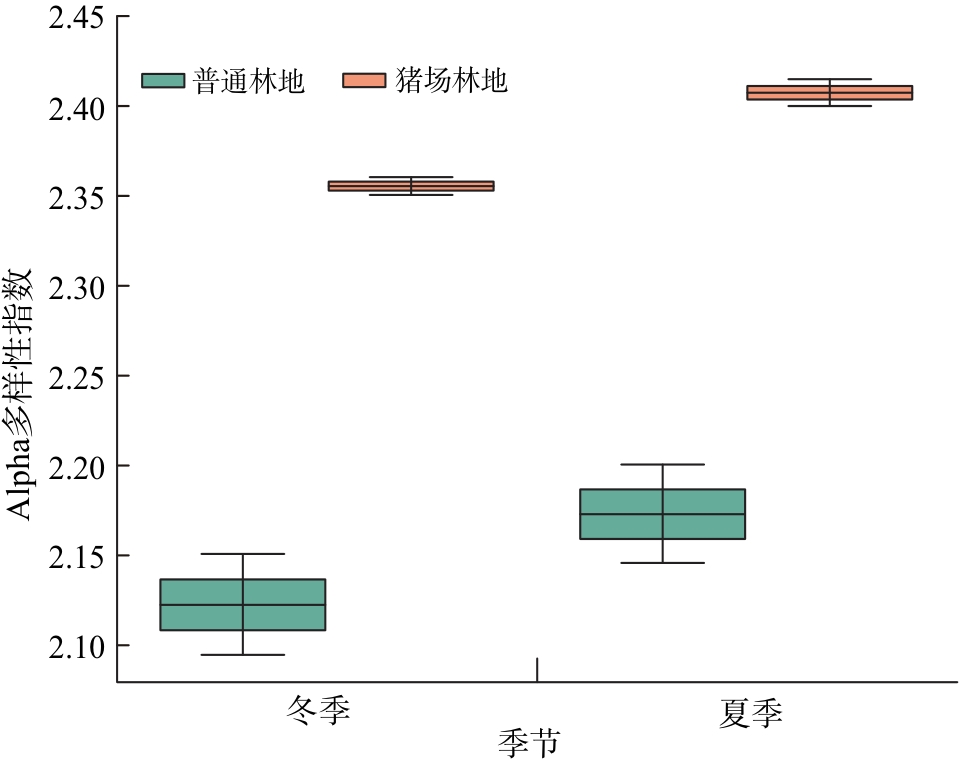
Fig.1 Alpha diversity index of microorganisms in forest soil
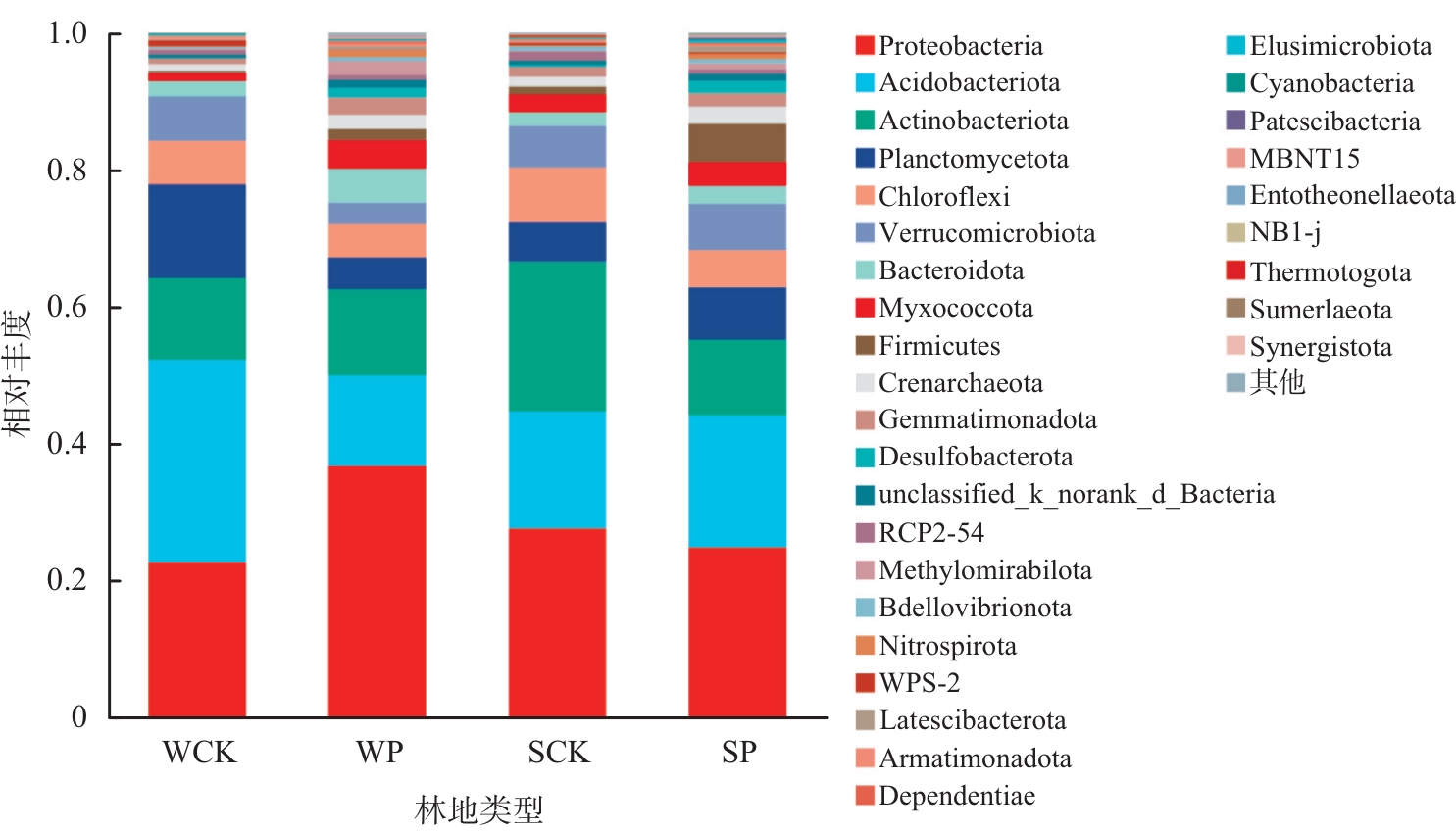
Fig.2 Relative abundance of soil microbial communities at the phylum level
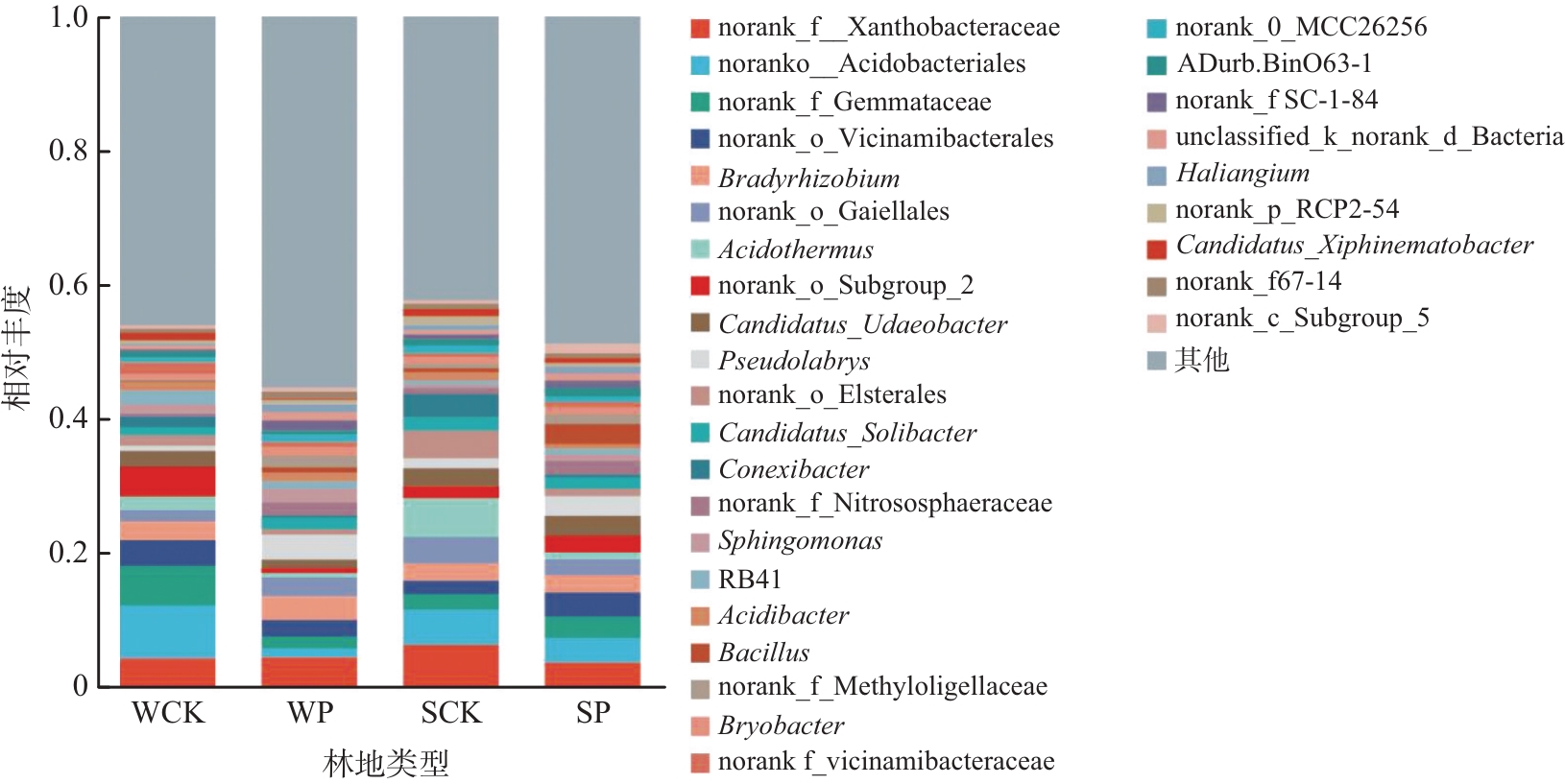
Fig.3 Relative abundance of soil microbial communities at the genus level
| 季节 | 林地类型 | 总baca相对丰度 | 总mexf相对丰度 |
|---|---|---|---|
| 冬季 | 普通林地 | 0.59 | 0.004 |
| 猪场林地 | 0.61 | 0.022 | |
| 夏季 | 普通林地 | 0.53 | — |
| 猪场林地 | 0.57 | — |
Table 4 Relative abundance of antibiotic resistance genes in soil bacteria in forest land during winter and summer
| 季节 | 林地类型 | 总baca相对丰度 | 总mexf相对丰度 |
|---|---|---|---|
| 冬季 | 普通林地 | 0.59 | 0.004 |
| 猪场林地 | 0.61 | 0.022 | |
| 夏季 | 普通林地 | 0.53 | — |
| 猪场林地 | 0.57 | — |
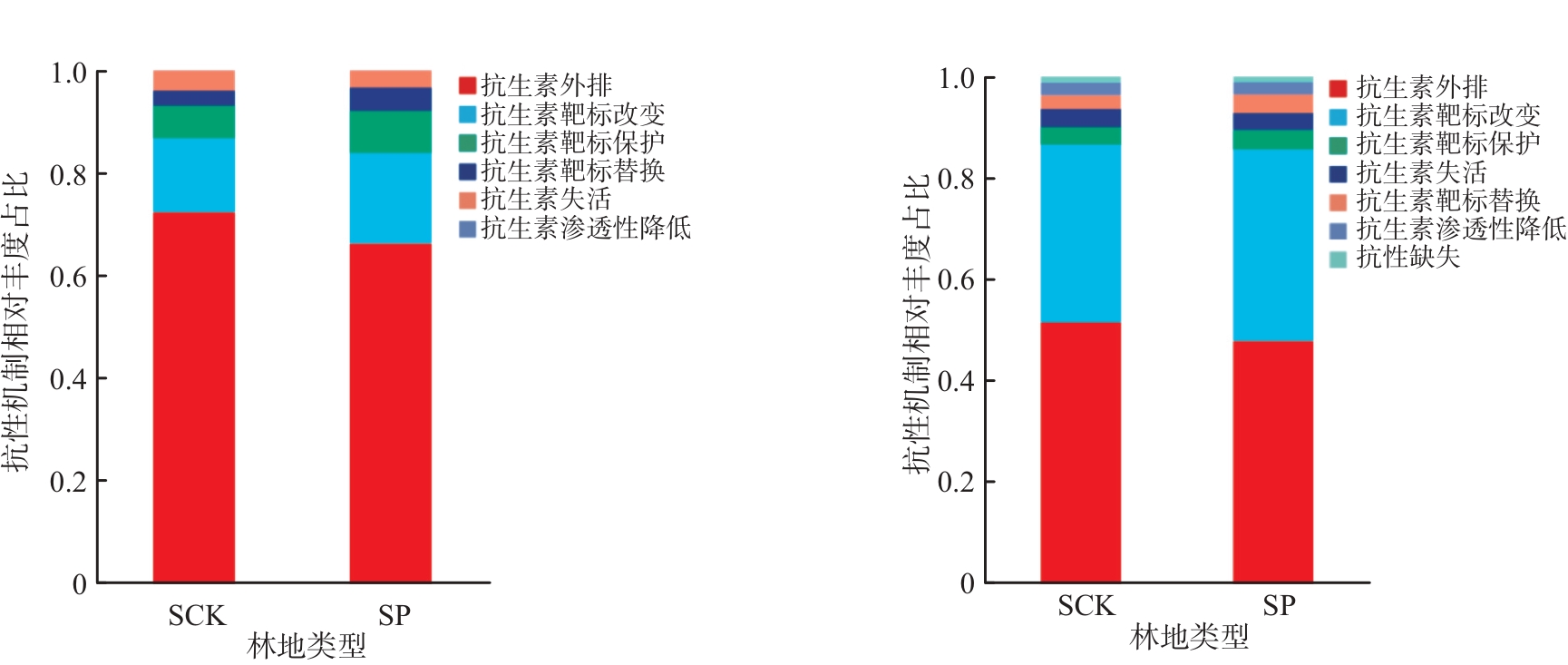
Fig.4 Resistance mechanisms of soil bacteria in forest land during winter and summer
| [1] | 马悦,赵若男,陈朱淑怡,等. 畜禽粪便中抗生素耐药基因的污染现状及其防控研究进展[J]. 中国畜牧杂志,2025,61(5):117-121. |
| MA Y, ZHAO R N, CHEN-ZHU S Y,et al. Progress research on present situation of antibiotic resistance genes contamination in livestock and poultry manure and its prevention and control[J]. Chinese Journal of Animal Science,2025,61(5):117-121. | |
| [2] | 朱玥晗,姚钦,李森,等. 环境中抗生素抗性基因及消减途径研究[J]. 土壤与作物,2019,8(2):186-194. |
| ZHU Y H, YAO Q, LI S,et al. Antibiotic resistance genes and approaches for reducing their abundance in environments[J]. Soils and Crops,2019,8(2):186-194. | |
| [3] | 胡雯桉,沈城,孙慧伦,等. 抗生素与抗性基因在畜禽养殖中的环境影响及生态风险[J]. 华东师范大学学报(自然科学版),2024(6):151-160. |
| HU W A, SHEN C, SUN H L,et al. Environmental impacts and ecological risks of antibiotics and resistance genes in livestock and poultry farming[J]. Journal of East China Normal University(Natural Science),2024(6):151-160. | |
| [4] | 邹勇,黄蔚虹,陈永杰,等. 金霉素胁迫下室内粪土模型中菌群多样性与四环素类抗生素耐药基因丰度研究[J]. 华南农业大学学报,2018(5):65-73. |
| ZOU Y, HUANG W H, CHEN Y J,et al. Microbial community diversity and tetracycline resistance gene abundance in manure-soil model under chlortetracycline stress[J]. Journal of South China Agricultural University,2018(5):65-73. | |
| [5] | 林容,张姣,肖选雪,等. 综述不同粪肥对土壤中微生物群落结构影响[J]. 中国农业文摘:农业工程,2025,37(2):56-60. |
| LIN R, ZHANG J, XIAO X X,et al. The effect of different manure on microbial community structure in soil was summarized[J]. Agricultural Science and Engineering Int China,2025,37(2):56-60. | |
| [6] | 薛倩倩,陈奉献,刘丹丹,等. 粪肥施用后农田土壤抗生素污染特征及生态风险评估[J]. 生态学杂志,2025:1-11. |
| XUE Q Q, CHEN F X, LIU D D,et al. Characteristics and ecological risk assessment of antibiotic contamination in farmland after application of chicken manure fertilizer[J]. Chinese Journal of Ecology,2025:1-11. | |
| [7] | 凌文翠,范玉梅,方瑶瑶,等. 京津冀地区畜禽养殖业抗生素污染现状分析[J]. 环境工程技术学报,2018,8(4):390-397. |
| LING W C, FAN Y M, FANG Y Y,et al. Antibiotics pollution of livestock and poultry breeding in Beijing-Tianjin-Hebei region[J]. Journal of Environmental Engineering Technology,2018,8(4):390-397. | |
| [8] | 王靖菡. 典型林地土壤中抗生素对微生物群落结构多样性的影响[D]. 北京:中国石油大学,2022. |
| WANG J H. Effects of antibiotics on microbial community structure diversity in typical forest soil[D]. Beijing:China University of Petroleum,2022. | |
| [9] | KUPPUSAMY S, KAKARLA D, VENKATESWARLU K,et al. Veterinary antibiotics(VAs)contamination as a global agro-ecological issue:a critical view[J]. Agriculture,Ecosystems & Environment,2018,257:47-59. |
| [10] | 白金顺,王伟红,李艳丽,等. 我国猪粪中四环素类抗生素残留及好氧堆肥消减研究进展[J]. 中国土壤与肥料,2022(3):231-238. |
| BAI J S, WANG W H, LI Y L,et al. Advances in residues of tetracyclines and its degradation by aerobic composting in pig manure in China[J]. Soil and Fertilizer Sciences in China,2022(3):231-238. | |
| [11] | 单英杰,章明奎. 不同来源畜禽粪的养分和污染物组成[J]. 中国生态农业学报,2012,20(1):80-86. |
| SHAN Y J, ZHANG M K. Contents of nutrient elements and pollutants in different sources of animal manures[J]. Chinese Journal of Eco-Agriculture,2012,20(1):80-86. | |
| [12] | 彭里. 畜禽养殖环境污染及治理研究进展[J]. 中国生态农业学报,2006,14(2):19-22. |
| PENG L. Research progress in pollution caused by raising poultry and its controlling countermeasures[J]. Chinese Journal of Eco-Agriculture,2006,14(2):19-22. | |
| [13] | 张树清,张夫道,刘秀梅,等. 规模化养殖畜禽粪主要有害成分测定分析研究[J]. 植物营养与肥料学报,2005,11(6):822-829. |
| ZHANG S Q, ZHANG F D, LIU X M,et al. Determination and analysis on main harmful composition in excrement of scale livestock and poultry feedlots[J]. Plant Nutrition and Fertilizing Science,2005,11(6):822-829. | |
| [14] | 朱凤连,马友华,周静,等. 我国畜禽粪便污染和利用现状分析[J]. 安徽农学通报,2008,14(13):48-50,12. |
| ZHU F L, MA Y H, ZHOU J,et al. Analysis on present situation of pollution and utilization of animal excrement in China[J]. Anhui Agricultural Science Bulletin,2008,14(13):48-50,12. | |
| [15] | 楚天舒,王柄雄,高思程,等. 基于农田土壤重金属污染风险筛选值的畜禽粪污农田承载力估算[J]. 中国农业大学学报,2021,26(2):125-138. |
| CHU T S, WANG B X, GAO S C,et al. Estimation on farmland carrying capacity for livestock and poultry manure based on risk screening values for farmland soil heavy metal contamination[J]. Journal of China Agricultural University,2021,26(2):125-138. | |
| [16] | 王娜,郭欣妍,单正军,等. 农田土壤抗生素污染管控建议[J]. 中国工程科学,2021,23(1):167-173. |
| WANG N, GUO X Y, SHAN Z J,et al. Suggestions for management and control of antibiotics in farmland soil in China[J]. Strategic Study of CAE,2021,23(1):167-173. | |
| [17] | 邹世春,李青,贺竹梅. 禽畜养殖场土壤抗生素抗性基因污染的初步研究[J]. 中山大学学报(自然科学版),2012,51(6):87-91. |
| ZOU S C, LI Q, HE Z M. A preliminary study on the tetracycline resistance genes in the livestock soil,South China[J]. Acta Scientiarum Naturalium Universitatis Sunyatseni,2012,51(6):87-91. | |
| [18] | LIU Z T, MA R A, ZHU D,et al. Organic fertilization co-selects genetically linked antibiotic and metal(loid)resistance genes in global soil microbiome[J]. Nature Communications,2024,15:5168. |
| [19] | HEYDARI A, KIM N D, BIGGS P J,et al. Co-selection of bacterial metal and antibiotic resistance in soil laboratory microcosms[J]. Antibiotics,2023,12(4):772. |
| [20] | 中华人民共和国生态环境部. 土壤pH值的测定 电位法: [S]. 北京:中国环境出版社,2018. |
| [21] | 中华人民共和国生态环境部. 土壤质量 全氮的测定 凯氏法: [S]. 北京:中国环境科学出版社,2015. |
| [22] | 中华人民共和国环境保护部. 土壤 总磷的测定 碱熔-钼锑抗分光光度法: [S]. 北京:中国环境科学出版社,2011. |
| [23] | 鲁如坤. 土壤农业化学分析方法[M]. 北京:中国农业科学技术出版社,2000. |
| [24] | 中华人民共和国生态环境部. 土壤和沉积物 19种金属元素总量的测定 电感耦合等离子体质谱法: [S]. 北京:中国环境出版社,2023. |
| [25] | 中华人民共和国农业部. 土壤检测 第6部分:土壤有机质的测定: [S]. 北京:中国农业出版社,2006. |
| [26] | 中华人民共和国生态环境部. 土壤 阳离子交换量的测定 三氯化六氨合钴浸提-分光光度法: [S]. 北京:中国环境出版社,2017. |
| [27] | 李宁,钱莉,曹彦婷,等. 宝山区土壤pH、电导率、有机质含量和阳离子交换量的分布特征[J]. 上海农业科技,2025(4):44-46. |
| LI N, QIAN L, CAO Y T,et al. Distribution characteristics of soil pH,conductivity,organic matter content and cation exchange capacity in Baoshan District[J]. Shanghai Agricultural Science and Technology,2025(4):44-46. | |
| [28] | SCHLEGEL A J, ASSEFA Y, BOND H D,et al. Soil physicochemical properties after 10 years of animal waste application[J]. Soil Science Society of America Journal,2015,79(3):711-719. |
| [29] | 牛明芬,谢田宾,王颜红,等. 畜禽粪肥中抗生素残留对土壤微生物及抗性基因的影响分析研究进展[J]. 环境污染与防治,2024,46(2):252-261. |
| NIU M F, XIE T B, WANG Y H,et al. Research progress on the impact of antibiotic residues in livestock manure on soil microorganisms and resistance genes[J]. Environmental Pollution & Control,2024,46(2):252-261. | |
| [30] | LI Y W, WU X L, MO C H,et al. Investigation of sulfonamide,tetracycline,and quinolone antibiotics in vegetable farmland soil in the Pearl River Delta area,Southern China[J]. Journal of Agricultural and Food Chemistry,2011,59(13):7268-7276. |
| [31] | ZHU Y G, JOHNSON T A, SU J Q,et al. Diverse and abundant antibiotic resistance genes in Chinese swine farms[J]. Proceedings of the National Academy of Sciences of the United States of America,2013,110(9):3435-3440. |
| [32] | ZHANG Z Y, ZHANG Q, WANG T Z,et al. Assessment of global health risk of antibiotic resistance genes[J]. Nature Communications,2022,13:1553. |
| [33] | IRFAN M, ALMOTIRI A, ALZEYADI Z A. Antimicrobial resistance and its drivers:a review[J]. Antibiotics,2022,11(10):1362. |
| [34] | 李泽楷,韩淼,秦超,等. 土壤环境中抗生素抗性基因污染研究进展和热点分析[J]. 生态与农村环境学报,2024,40(1):11-22. |
| LI Z K, HAN M, QIN C,et al. Research progress and hot spot analysis on antibiotic resistance gene pollution in soil environment[J]. Journal of Ecology and Rural Environment,2024,40(1):11-22. | |
| [35] | YUE Z F, ZHANG J, ZHOU Z G,et al. Pollution characteristics of livestock faeces and the key driver of the spread of antibiotic resistance genes[J]. Journal of Hazardous Materials,2021,409:124957. |
| [36] | ZHANG J, YUE Z F, ZHOU Z G,et al. Key microbial clusters and environmental factors affecting the removal of antibiotics in an engineered anaerobic digestion system[J]. Bioresource Technology,2022,348:126770. |
| [37] | YUE Z F, ZHANG J, ZHOU Z G,et al. Antibiotic degradation dominates the removal of antibiotic resistance genes during composting[J]. Bioresource Technology,2022,344:126229. |
| [38] | 邹韵,张园,陈明龙,等. 我国畜禽粪肥还田对农田土壤抗性基因积累的影响综述[J]. 中国土壤与肥料,2023(4):220-229. |
| ZOU Y, ZHANG Y, CHEN M L,et al. Review on the effect of livestock and poultry manure returning to farmland on antibiotic resistance genes of farmland soil in China[J]. Soil and Fertilizer Sciences in China,2023(4):220-229. | |
| [39] | BAQUERO F, MARTÍNEZ J L, LANZA V F,et al. Evolutionary pathways and trajectories in antibiotic resistance[J]. Clinical Microbiology Reviews,2021,34(4):e00050-e00019. |
| [40] | 刘兰英,黄薇,吕新,等. 长期施用沼液对土壤中四环素类及磺胺类抗性基因分布的影响[J]. 福建农业学报,2021(6):699-705. |
| LIU L Y, HUANG W,LYU X,et al. Effect of long-term biogas slurry fertilization on distribution of tetracycline and sulfonamide resistance genes in soil[J]. Fujian Journal of Agricultural Sciences,2021(6):699-705. | |
| [41] | 秦丽婷,童蕾,刘慧,等. 环境中磺胺类抗生素的生物降解及其抗性基因污染现状[J]. 环境化学,2016,35(5):875-883. |
| QIN L T, TONG L, LIU H,et al. Biodegradation of sulfonamides and the pollution characteristics of sulfonamide resistance genes in the environment[J]. Environmental Chemistry,2016,35(5):875-883. | |
| [42] | ALEXY R, KÜMPEL T, KÜMMERER K. Assessment of degradation of 18 antibiotics in the closed bottle test[J]. Chemosphere,2004,57(6):505-512. |
| [43] | 赵方凯,杨磊,乔敏,等. 土壤中抗生素的环境行为及分布特征研究进展[J]. 土壤,2017,49(3):428-436. |
| ZHAO F K, YANG L, QIAO M,et al. Environmental behavior and distribution of antibiotics in soils:a review[J]. Soils,2017,49(3):428-436. | |
| [44] | 钱燕云,郑吉,徐莉柯,等. 温度对厌氧环境下污泥中抗生素抗性基因行为特征的影响[J]. 生态毒理学报,2015,10(5):56-65. |
| QIAN Y Y, ZHENG J, XU L K,et al. Effect of temperature on antibiotic resistance genes behavior during anaerobic treatment of sludge[J]. Asian Journal of Ecotoxicology,2015,10(5):56-65. | |
| [45] | 姚钦,朱玥晗,宋洁,等. 畜禽粪便有机肥对黑土农田土壤抗生素抗性基因的影响[J]. 黑龙江八一农垦大学学报,2023,35(4):26-32. |
| YAO Q, ZHU Y H, SONG J,et al. Effects of livestock manure organic fertilizer on antibiotic resistance genes in black soil cropland[J]. Journal of Heilongjiang Bayi Agricultural University,2023,35(4):26-32. | |
| [46] | 杨鑫,王绍宇,童畅,等. 畜禽粪污源抗生素抗性基因的水平转移研究进展[J]. 畜牧兽医学报,2025,56(9):4279-4293. |
| YANG X, WANG S Y, TONG C,et al. Research progress on the horizontal gene transfer of antibiotic resistance genes from livestock and poultry manure[J]. Acta Veterinaria et Zootechnica Sinica,2025,56(9):4279-4293. |
| [1] | FU Lijun, KE Siqi, HAN Xiaoqing, ZHANG Shangqing, YAN Hongbo, DUAN Huimin, ZHOU Yu. Effects of Bacillus subtilis on yield, disease resistance, and soil improvement in continuous ginger cropping [J]. Journal of Zhejiang Agricultural Sciences, 2026, 67(1): 222-230. |
| [2] | WANG Yafei, WANG Jingbang, GUO Rui, ZHU Fengxiang, ZHANG Tao, HONG Chunlai, YAO Yanlai. Study on the effects of different thermophilic microorganisms on high-temperature composting of pig manure [J]. Journal of Zhejiang Agricultural Sciences, 2025, 66(8): 2015-2024. |
| [3] | GUO Qi, LYU Sunjian, SHEN Weifeng, ZHU Dongmin, LIU Li. Investigation and antibiotic sensitivity analysis of dominant bacteria isolated from breeding stage of Macrobrachium rosenbergii [J]. Journal of Zhejiang Agricultural Sciences, 2025, 66(8): 1840-1845. |
| [4] | SHEN Chenlei. Study on the composting process, microbial succession, and nitrogen transformation of landscaping waste [J]. Journal of Zhejiang Agricultural Sciences, 2025, 66(4): 1036-1041. |
| [5] | LIU Aichun, ZHA Yan, BAI Junhui, HE Xin, LIU Chao. Characterization of quinolone residues in leafy vegetables from growing areas around chicken farms [J]. Journal of Zhejiang Agricultural Sciences, 2025, 66(3): 719-723. |
| [6] | WANG Jingbang, WANG Yafei, YAO Yanlai, ZHU Fengxiang, WANG Weiping, HONG Chunlai, ZHU Weijing, HONG Leidong. Research progress of ultra-high temperature compost in the reduction of biological pollution such as antibiotic resistance genes in organic solid waste [J]. Journal of Zhejiang Agricultural Sciences, 2024, 65(12): 3061-3067. |
| [7] | WU Yong, ZHU Yuxiang, CHEN Yue, CHENG Zhenghong. Effects of soil amendments on plant growth of Hongmeiren and soil microbial community [J]. Journal of Zhejiang Agricultural Sciences, 2024, 65(11): 2751-2757. |
| Viewed | ||||||
|
Full text |
|
|||||
|
Abstract |
|
|||||
