Journal of Zhejiang Agricultural Sciences ›› 2026, Vol. 67 ›› Issue (7): 1783-1788.DOI: 10.16178/j.issn.0528-9017.20250378

Previous Articles     Next Articles

Identification,cultivation characteristics of an isolated wild Taiwanofungus camphoratus strain and the capacity of producing asexual spores

ZHANG Lu1,2(), KE Binrong3, ZHENG Shizhong1,4, WEI Qi5, ZHANG Weirui1,4, LIU Shengrong1,4()   

  1. 1.College of Biological Science and Engineering,Ningde Normal University,Ningde 352100,Fujian
    2.College of Life Science,Fujian Agriculture and Forestry University,Fuzhou 350002,Fujian
    3.Institute of Edible Fungi,Fujian Academy of Agricultural Sciences,Fuzhou 350011,Fujian
    4.Fujian Provincial University Engineering Research Center for Characteristic Biological Resources of Eastern Fujian,Ningde 352100,Fujian
    5.College of Ocean,Ningde Normal University,Ningde 352100,Fujian
  • Received:2025-05-22 Online:2026-07-11 Published:2026-07-27
  • Contact: LIU Shengrong

Abstract:

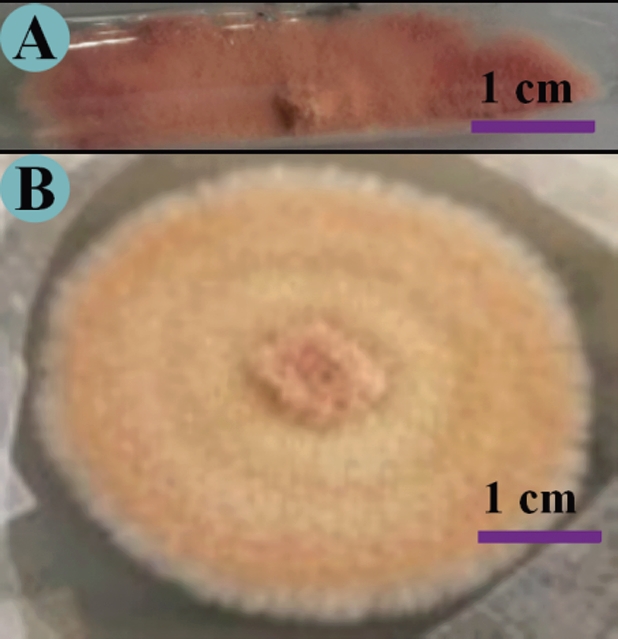
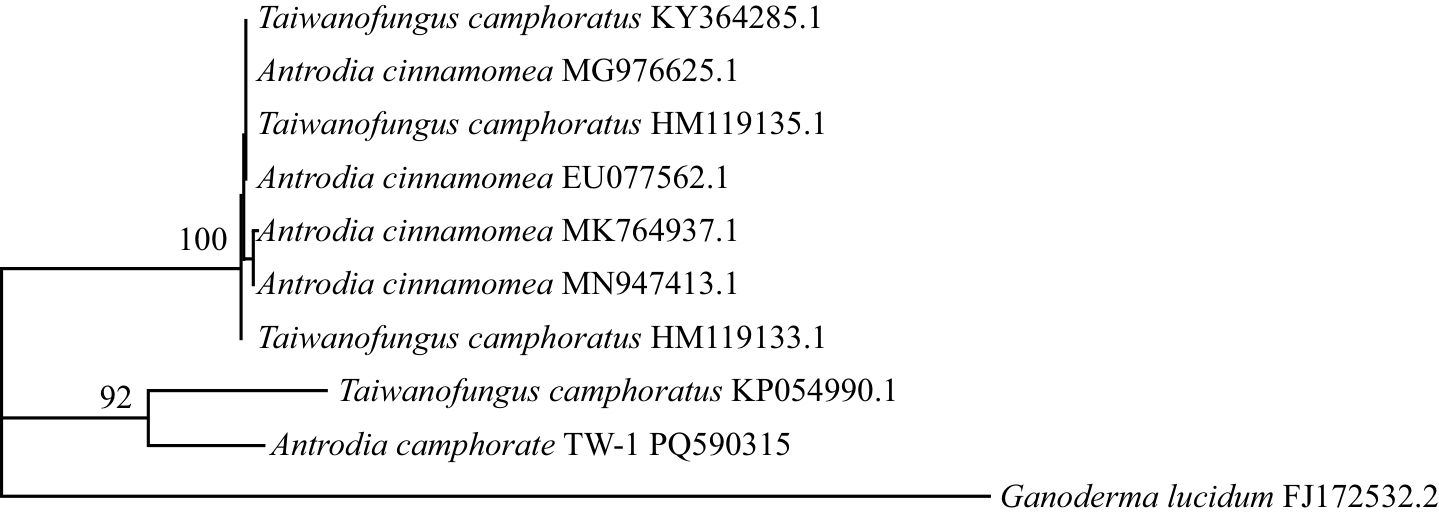
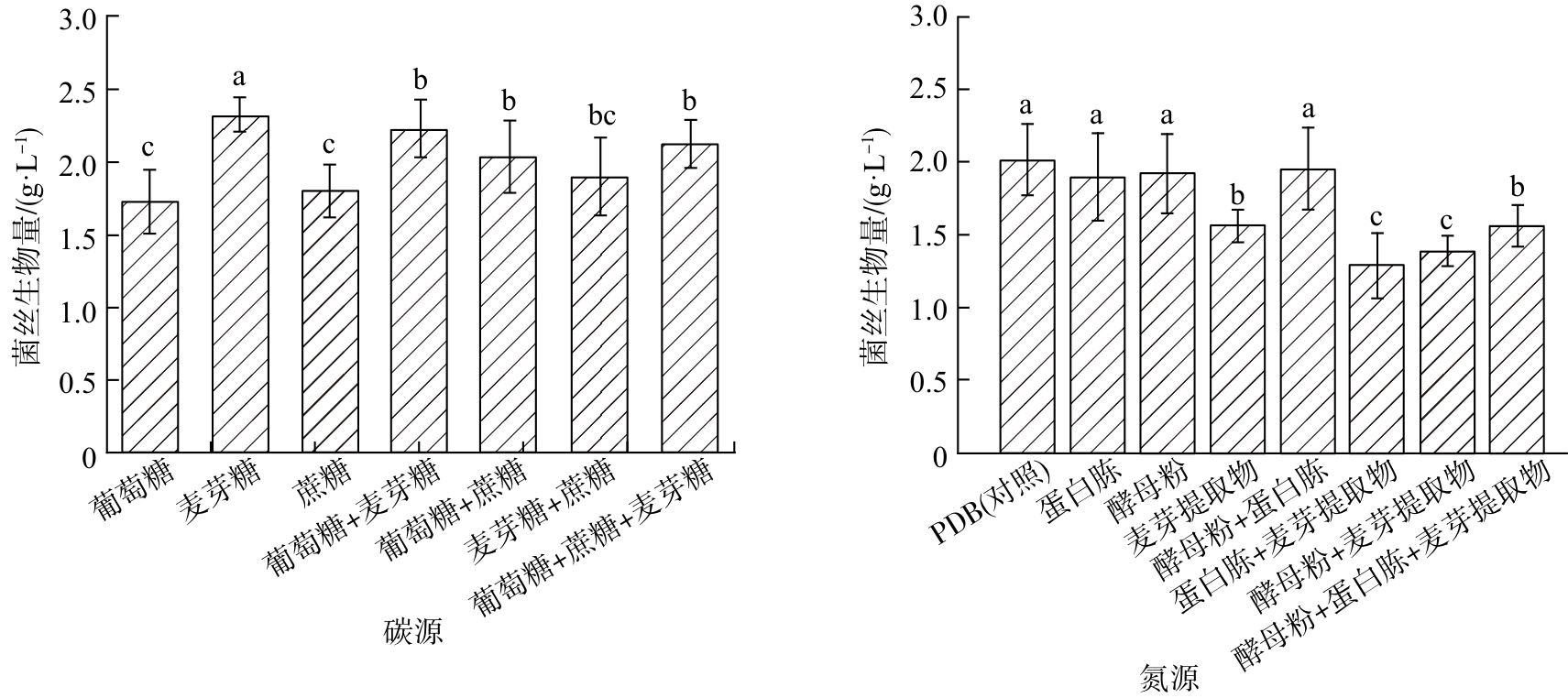
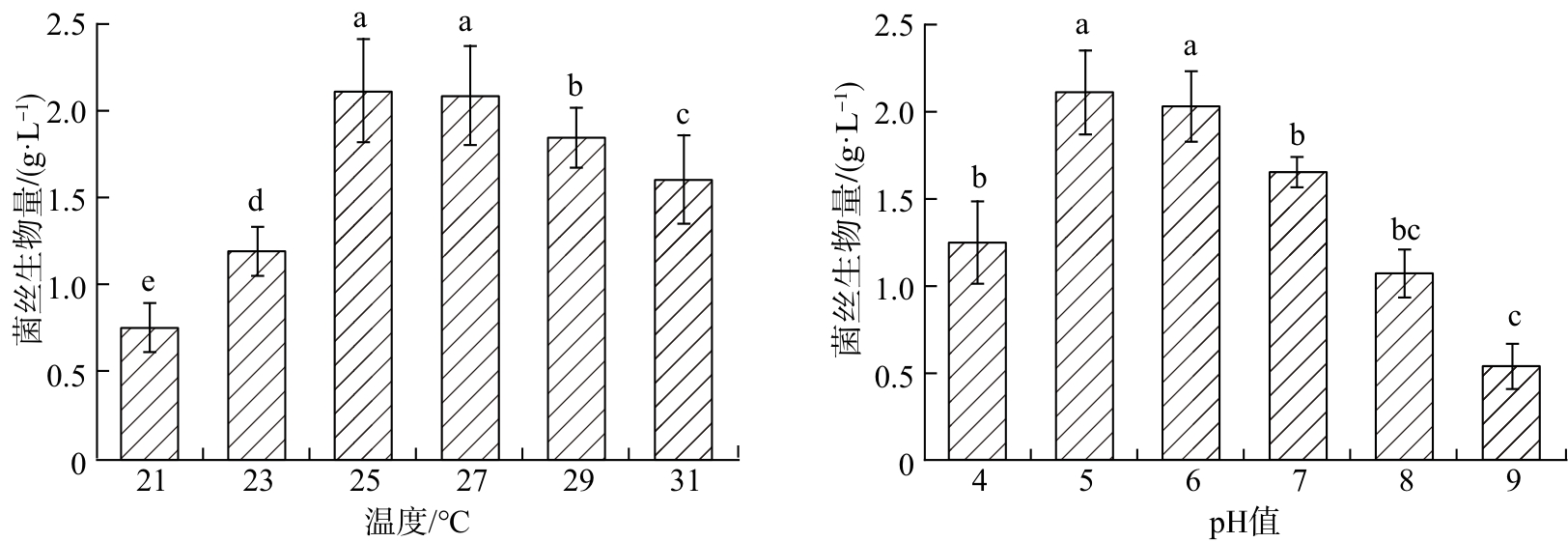
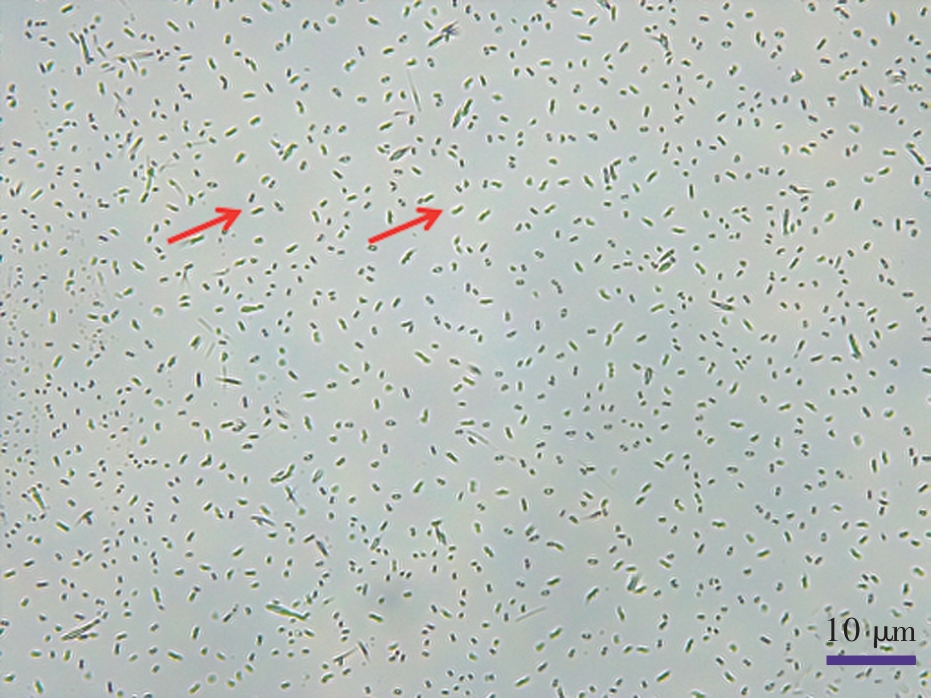
Taiwanofungus camphoratus is a precious medicinal fungus endemic in Taiwan,China. This study identified an isolated wild Taiwanofungus camphoratus strain and examined its mycelial growth characteristics under liquid culture conditions. Morphological and ITS(Internal Transcribed Spacer)phylogenetic analysis identified the strain Ac-NF2 as Taiwanofungus camphoratus. For strain Ac-NF2,the suitable single carbon source in liquid culture was maltose,while the optimal combined carbon source was a combination of glucose and maltose. The appropriate single nitrogen source was yeast extract,and the preferred combined nitrogen source was a combination of peptone and yeast extract. The optimal pH value of the medium was between 5 and 6,and the temperature range of 25 and 27 ℃ was desirable for the mycelial growth. The strain produced easily asexual spores in liquid cultures,and the density of asexual spores reached 3.2×10⁷ mL-1. The present study not only broadened the germplasm source of Taiwanofungus camphoratus,but also provided reference for the application of this strain in liquid fermentation production of mycelium and active ingredients.

Key words: Taiwanofungus camphoratus, strain identification, carbon source, nitrogen source, asexual spore

CLC Number: