浙江农业科学 ›› 2026, Vol. 67 ›› Issue (8): 2007-2014.DOI: 10.16178/j.issn.0528-9017.20250239

• 资源与环境 • 上一篇    下一篇

基于杭州市年度统计数据的山茱萸生产碳足迹分析

MARÍA DE LOS ANGELES MIBUY Mba Mikue(), 幸世杰, 郭明()   

  1. 浙江农林大学 化学与材料工程学院,浙江 杭州 311300
  • 收稿日期:2025-03-31 出版日期:2026-08-11 发布日期:2026-08-20
  • 通讯作者: 郭明
  • 作者简介:郭明,E-mail:guoming@zafu.edu.cn
    MaríA De Los Angeles Mibuy Mba Mikue,研究方向为农业碳足迹。E-mail:mdelosangeles25mibuy@gmail.com

Carbon footprint analysis of Cornus officinalis production based on annual statistical data of Hangzhou

MARÍA DE LOS ANGELES MIBUY Mba Mikue(), XING Shijie, GUO Ming()   

  1. College of Chemistry and Materials Engineering,Zhejiang A&F University,Hangzhou 311300,Zhejiang
  • Received:2025-03-31 Online:2026-08-11 Published:2026-08-20
  • Contact: GUO Ming

摘要:

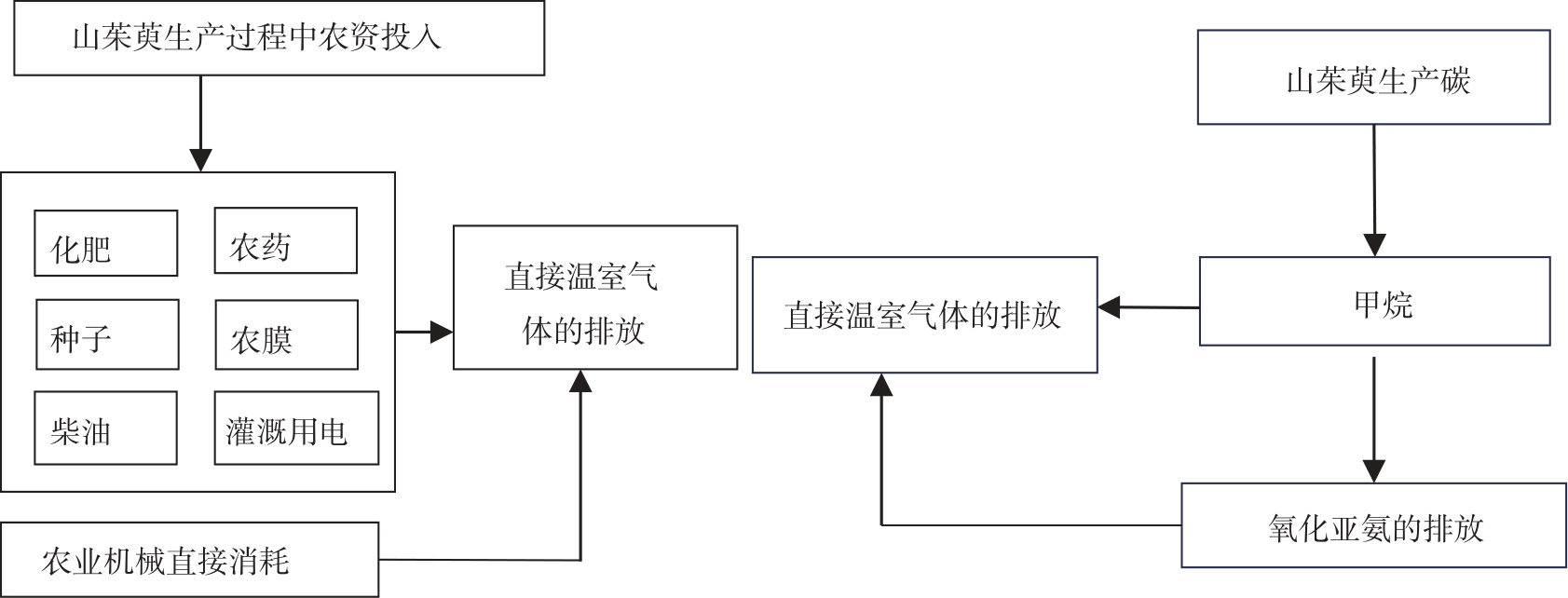
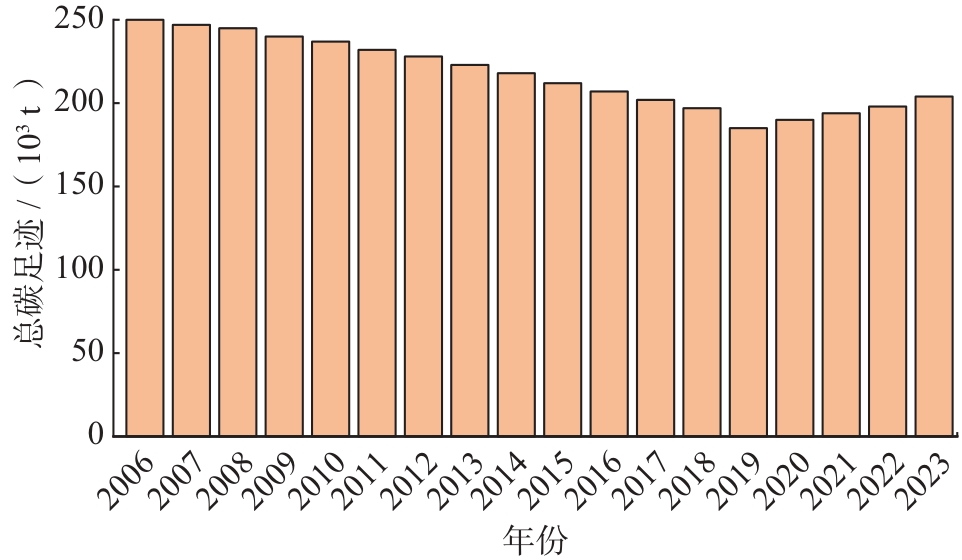
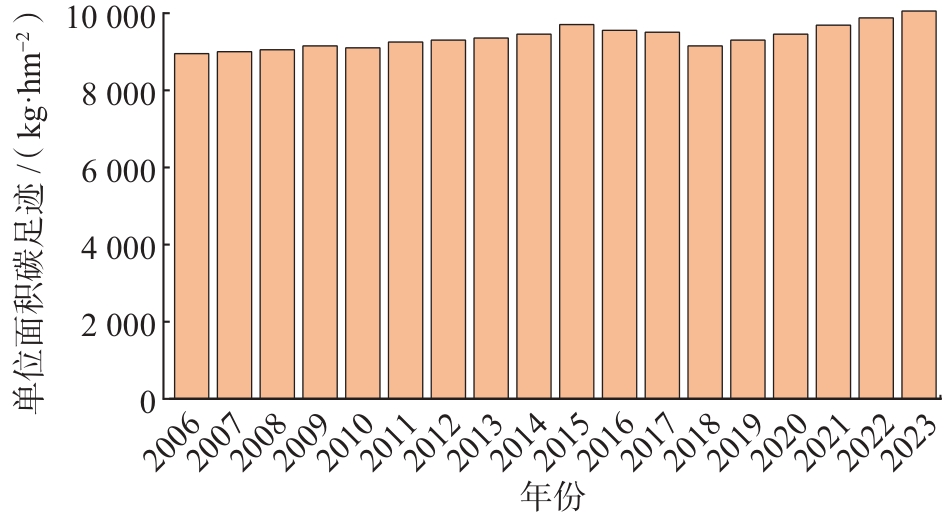
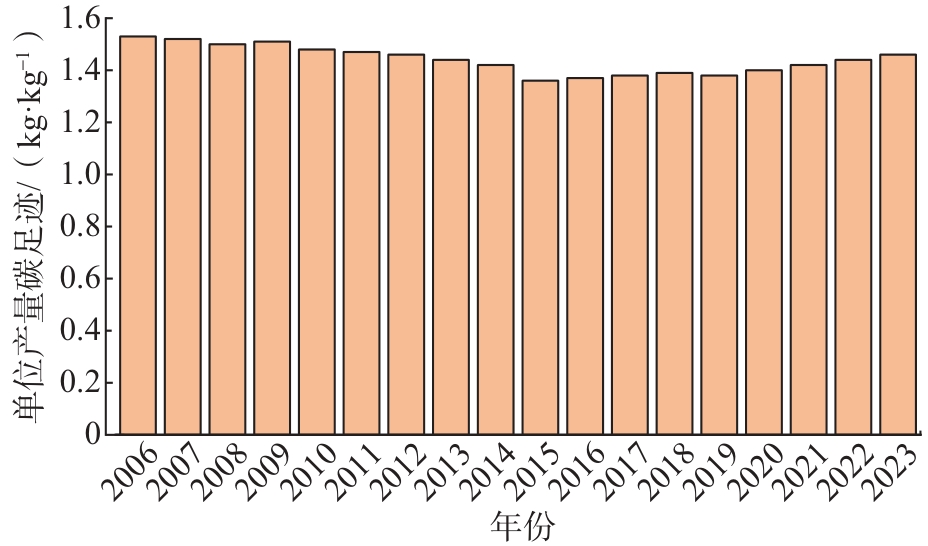
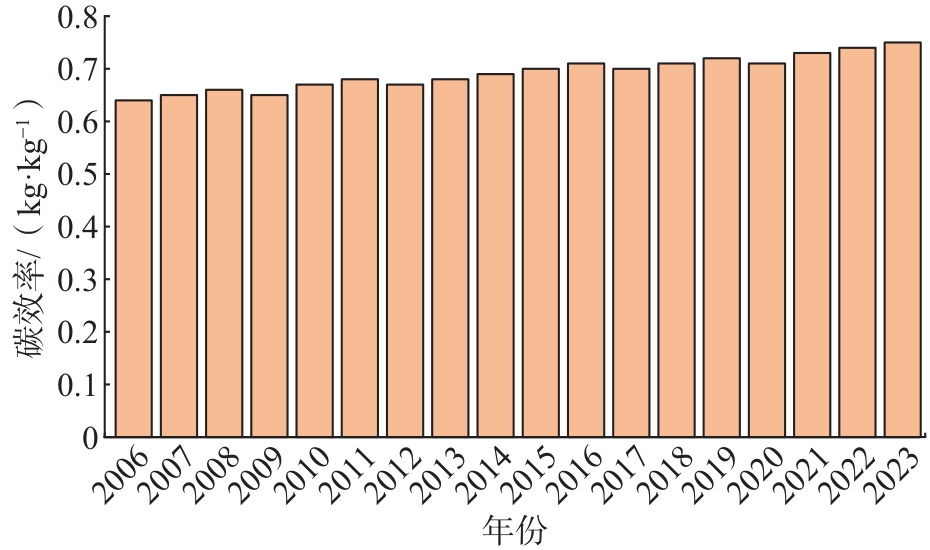
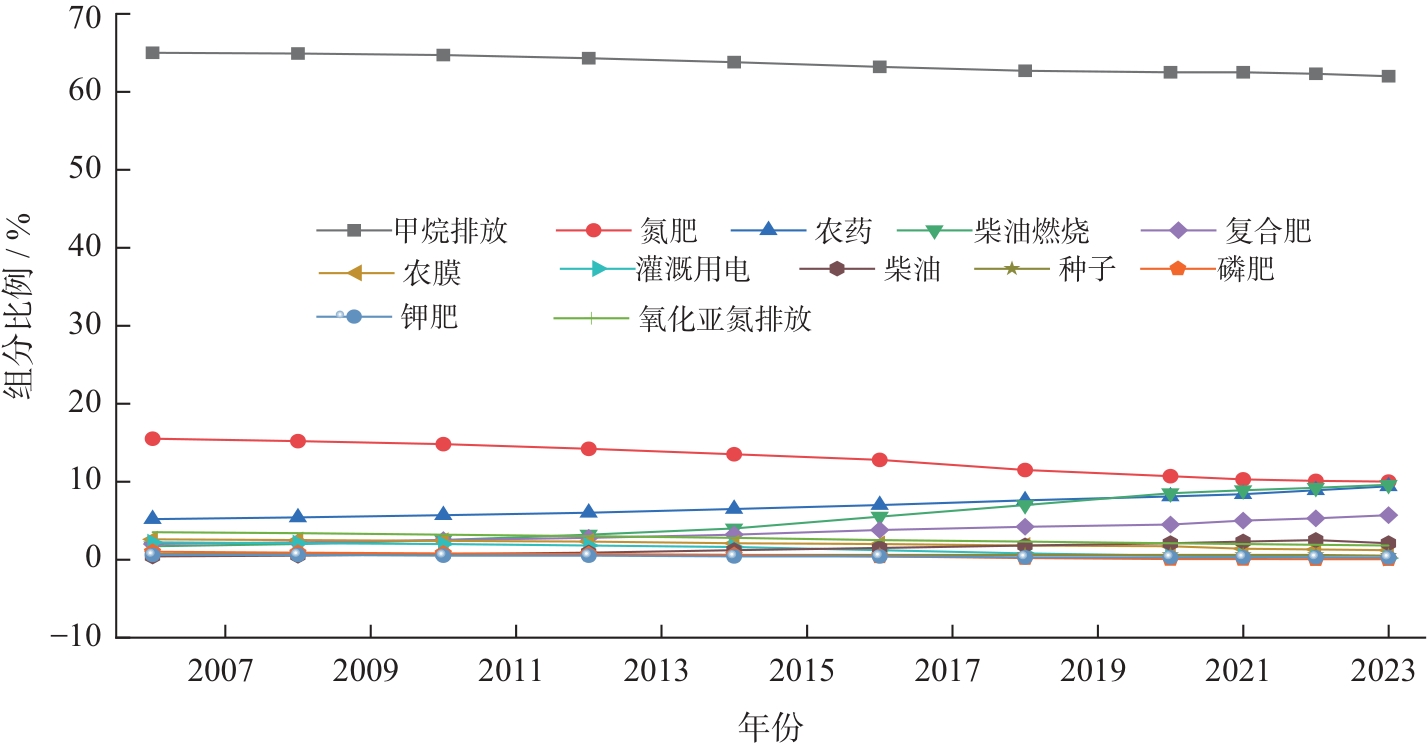
随着全球气候变化对生态系统的影响日益显著,碳足迹已成为衡量农业生产环境影响的重要指标。本文以杭州市山茱萸生产为例,系统评估了山茱萸种植过程中产生的碳排放及其时序变化特征。采用生命周期评价与碳排放清单方法,结合杭州市统计数据和农产品成本收益资料,量化了从种植到初加工阶段的各类温室气体排放源。结果表明,2006—2023年期间,杭州市山茱萸的总碳足迹呈波动下降趋势,单位产量碳足迹先下降后上升,碳效率则稳步提高。通过分析各环节碳足迹构成,发现肥料使用、田间管理和机械化作业对碳排放具有显著影响。研究还提出了优化施肥结构、推广绿色生产技术、加强资源利用效率等具体对策,以期为推动中药材产业的绿色发展和实现碳中和目标提供科学参考。

关键词: 碳足迹, 中药材, 山茱萸, 碳中和, 可持续农业

Abstract:

As the impact of global climate change on ecosystems becomes increasingly significant,carbon footprint has emerged as an important indicator for measuring the environmental impact of agricultural production. Taking the production of Cornus officinalis in Hangzhou as a case study,this paper systematically evaluates the carbon emissions generated during the cultivation process and their temporal variation characteristics. Using life cycle assessment and carbon emission inventory methods,combined with statistical data of Hangzhou and cost-benefit data of agricultural products,this study quantifies various greenhouse gas emission sources from planting to primary processing stages. The results showed that from 2006 to 2023,the total carbon footprint of Cornus officinalis production in Hangzhou exhibited a fluctuating downward trend,the carbon footprint per unit yield first decreased and then increased,while carbon efficiency steadily improved. By analyzing the composition of the carbon footprint in each stage,it was found that fertilizer use,field management,and mechanized operations have significant impacts on carbon emissions. The study also proposes specific countermeasures such as optimizing fertilization structures,promoting green production technologies,and enhancing resource use efficiency,aiming to provide a scientific reference for promoting the green development of the Chinese herbal medicine industry and achieving carbon neutrality goals.

Key words: carbon footprint, Chinese herbal medicine, Cornus officinalis, carbon neutrality, sustainable agriculture

中图分类号: