
Journal of Zhejiang Agricultural Sciences ›› 2026, Vol. 67 ›› Issue (1): 202-210.DOI: 10.16178/j.issn.0528-9017.20240886
Previous Articles Next Articles
CUI Yanna1( ), HAO Guijie1, WANG Yuchen1, SUN Boyi1, TONG Yuhao2, ZHU Yanyu3, WANG Min3, FANG Qihang3, SHI Xumei3, LOU Yidi3, ZHU Xinding3,*(), TU Jinyu4, ZHANG Haiqi1,*(), YANG Huangzhen3
Received:2024-11-20
Online:2026-01-11
Published:2026-01-19
Contact:
ZHU Xinding,ZHANG Haiqi
CLC Number:
CUI Yanna, HAO Guijie, WANG Yuchen, SUN Boyi, TONG Yuhao, ZHU Yanyu, WANG Min, FANG Qihang, SHI Xumei, LOU Yidi, ZHU Xinding, TU Jinyu, ZHANG Haiqi, YANG Huangzhen. Effects of rice-crayfish rotation on soil physicochemical property and bacterial diversity in paddy fields[J]. Journal of Zhejiang Agricultural Sciences, 2026, 67(1): 202-210.
Add to citation manager EndNote|Ris|BibTeX
URL: http://www.zjnykx.cn/EN/10.16178/j.issn.0528-9017.20240886
| 处理 | pH值 | 容重/ (g·cm-3) | 土粒密度/ (g·cm-3) | 有机质含量/ (g·kg-1) | 全氮含量/ (mg·kg-1) | 有效磷含量/ (mg·kg-1) | 速效钾含量/ (mg·kg-1) | 总孔隙度/% |
|---|---|---|---|---|---|---|---|---|
| QA | 5.11±0.31 a | 1.05±0.13 b | 2.53±0.02 b | 27.60±3.03 a | 1 571.00±190.00 a | 22.47±8.35 a | 182.00±59.50 a | 58.60±5.16 b |
| QB | 5.08±0.04 a | 1.22±0.07 b | 2.55±0.01 b | 24.40±3.98 a | 1 331.00±253.00 a | 13.90±4.96 ab | 187.00±48.80 a | 52.10±2.40 b |
| QC | 5.04±0.03 a | 1.18±0.10 b | 2.54±0.02 b | 23.70±2.95 a | 1 392.00±196.00 a | 19.67±7.09 a | 194.00±21.80 a | 53.40±4.16 b |
| MA | 5.16±0.23 a | 1.38±0.17 a | 2.58±0.02 b | 26.70±6.77 a | 1 482.67±324.71 a | 15.53±3.36 ab | 159.67±50.30 b | 46.47±6.15 c |
| MB | 5.19±0.10 a | 1.44±0.08 a | 2.56±0.01 b | 26.10±2.78 a | 1 552.67±206.10 a | 10.91±3.63 b | 164.33±28.88 b | 43.43±2.66 c |
| MC | 5.31±0.32 a | 1.56±0.38 a | 2.58±0.02 b | 21.70±8.26 a | 1 295.00±442.59 a | 8.29±4.33 b | 133.00±22.00 bc | 39.37±14.19 c |
| HA | 4.62±0.09 b | 0.92±0.21 c | 2.63±0.04 a | 29.70±3.21 a | 1 584.67±200.24 a | 11.90±5.72 b | 100.83±8.88 c | 65.13±7.46 a |
| HB | 4.57±0.02 b | 0.99±0.03 c | 2.70±0.03 a | 30.57±0.80 a | 1 597.00±71.42 a | 9.99±2.74 b | 121.00±15.52 c | 63.27±0.76 a |
| HC | 4.66±0.08 b | 0.95±0.21 c | 2.69±0.06 a | 27.77±7.17 a | 1 543.67±482.47 a | 8.72±7.65 b | 134.67±28.02 bc | 64.93±6.82 a |
Table 1 Effect of different crayfish breeding densities on soil physicochemical properties
| 处理 | pH值 | 容重/ (g·cm-3) | 土粒密度/ (g·cm-3) | 有机质含量/ (g·kg-1) | 全氮含量/ (mg·kg-1) | 有效磷含量/ (mg·kg-1) | 速效钾含量/ (mg·kg-1) | 总孔隙度/% |
|---|---|---|---|---|---|---|---|---|
| QA | 5.11±0.31 a | 1.05±0.13 b | 2.53±0.02 b | 27.60±3.03 a | 1 571.00±190.00 a | 22.47±8.35 a | 182.00±59.50 a | 58.60±5.16 b |
| QB | 5.08±0.04 a | 1.22±0.07 b | 2.55±0.01 b | 24.40±3.98 a | 1 331.00±253.00 a | 13.90±4.96 ab | 187.00±48.80 a | 52.10±2.40 b |
| QC | 5.04±0.03 a | 1.18±0.10 b | 2.54±0.02 b | 23.70±2.95 a | 1 392.00±196.00 a | 19.67±7.09 a | 194.00±21.80 a | 53.40±4.16 b |
| MA | 5.16±0.23 a | 1.38±0.17 a | 2.58±0.02 b | 26.70±6.77 a | 1 482.67±324.71 a | 15.53±3.36 ab | 159.67±50.30 b | 46.47±6.15 c |
| MB | 5.19±0.10 a | 1.44±0.08 a | 2.56±0.01 b | 26.10±2.78 a | 1 552.67±206.10 a | 10.91±3.63 b | 164.33±28.88 b | 43.43±2.66 c |
| MC | 5.31±0.32 a | 1.56±0.38 a | 2.58±0.02 b | 21.70±8.26 a | 1 295.00±442.59 a | 8.29±4.33 b | 133.00±22.00 bc | 39.37±14.19 c |
| HA | 4.62±0.09 b | 0.92±0.21 c | 2.63±0.04 a | 29.70±3.21 a | 1 584.67±200.24 a | 11.90±5.72 b | 100.83±8.88 c | 65.13±7.46 a |
| HB | 4.57±0.02 b | 0.99±0.03 c | 2.70±0.03 a | 30.57±0.80 a | 1 597.00±71.42 a | 9.99±2.74 b | 121.00±15.52 c | 63.27±0.76 a |
| HC | 4.66±0.08 b | 0.95±0.21 c | 2.69±0.06 a | 27.77±7.17 a | 1 543.67±482.47 a | 8.72±7.65 b | 134.67±28.02 bc | 64.93±6.82 a |
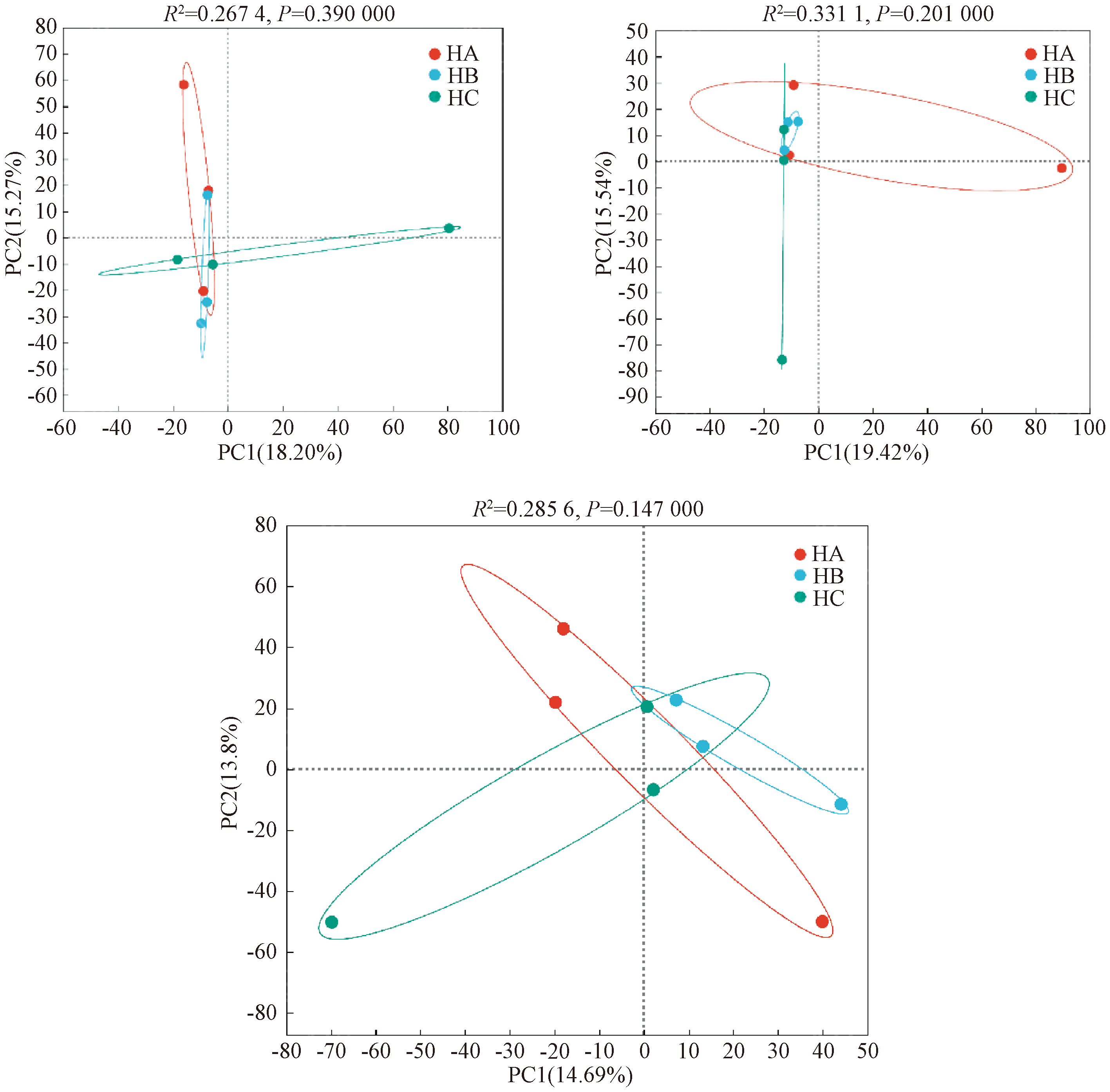
Fig.1 Principal component analysis of soil bacterial community β diversity under different crayfish breeding densities
| 处理 | pH值 | 容重/ (g·cm-3) | 土粒密度/ (g·cm-3) | 有机质含量/ (g·kg-1) | 全氮含量/ (mg·kg-1) | 有效磷含量/ (mg·kg-1) | 速效钾含量/ (mg·kg-1) | 总孔隙度/% |
|---|---|---|---|---|---|---|---|---|
| Q | 5.07±0.16 a | 1.15±0.12 b | 2.54±0.02 b | 25.2±3.42 a | 1 430±215 a | 18.7±7.10 a | 188±40.3 a | 54.7±4.62 b |
| M | 5.22±0.22 a | 1.46±0.23 a | 2.57±0.02 b | 24.8±5.99 a | 1 440±315 a | 11.6±4.57 b | 152±34.3 b | 43.1±8.43 c |
| H | 4.62±0.08 b | 0.95±0.15 c | 2.68±0.05 a | 29.3±4.14 a | 1 580±265 a | 10.2±5.16 b | 119±22.2 c | 64.4±5.14 a |
Table 2 Soil physicochemical properties before, during, and after rice-crayfish rotation
| 处理 | pH值 | 容重/ (g·cm-3) | 土粒密度/ (g·cm-3) | 有机质含量/ (g·kg-1) | 全氮含量/ (mg·kg-1) | 有效磷含量/ (mg·kg-1) | 速效钾含量/ (mg·kg-1) | 总孔隙度/% |
|---|---|---|---|---|---|---|---|---|
| Q | 5.07±0.16 a | 1.15±0.12 b | 2.54±0.02 b | 25.2±3.42 a | 1 430±215 a | 18.7±7.10 a | 188±40.3 a | 54.7±4.62 b |
| M | 5.22±0.22 a | 1.46±0.23 a | 2.57±0.02 b | 24.8±5.99 a | 1 440±315 a | 11.6±4.57 b | 152±34.3 b | 43.1±8.43 c |
| H | 4.62±0.08 b | 0.95±0.15 c | 2.68±0.05 a | 29.3±4.14 a | 1 580±265 a | 10.2±5.16 b | 119±22.2 c | 64.4±5.14 a |
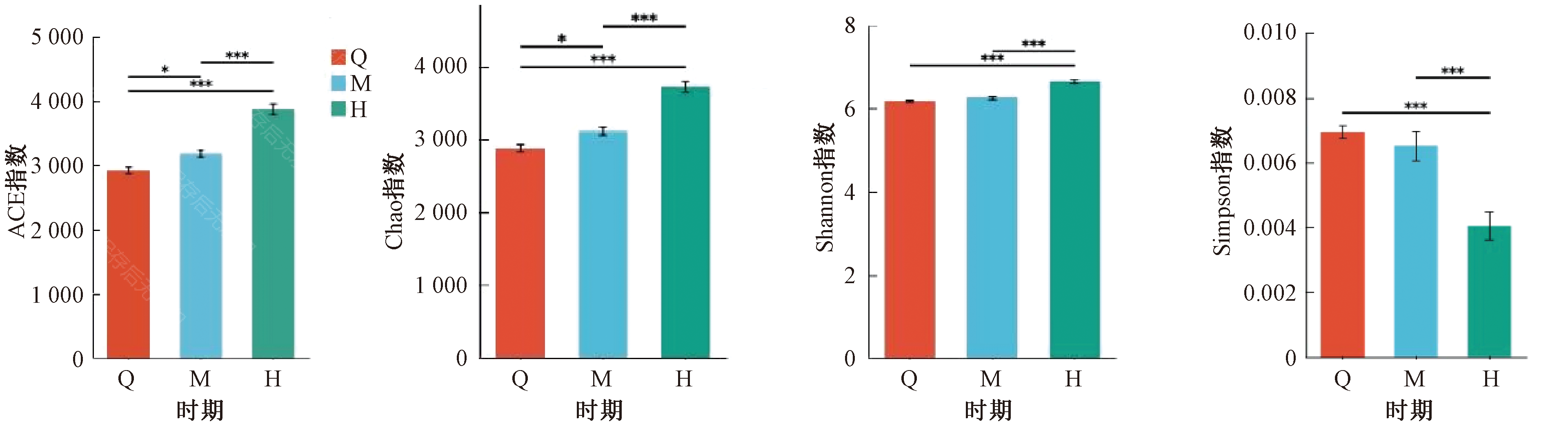
Fig.2 Soil bacterial alpha-diversity during the rice-crayfish rotation
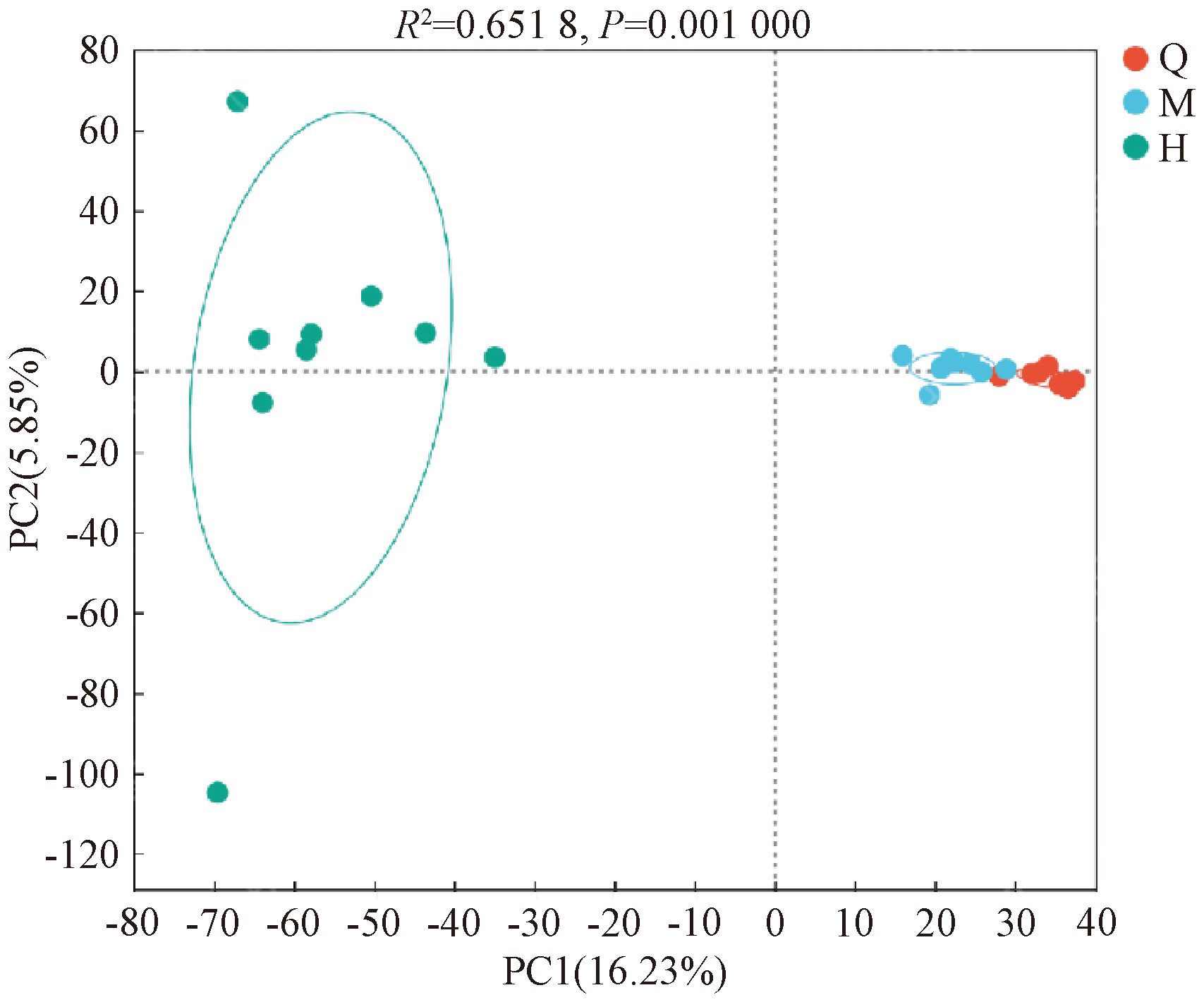
Fig.3 Soil bacterial β diversity at different stages of rice-crayfish rotation
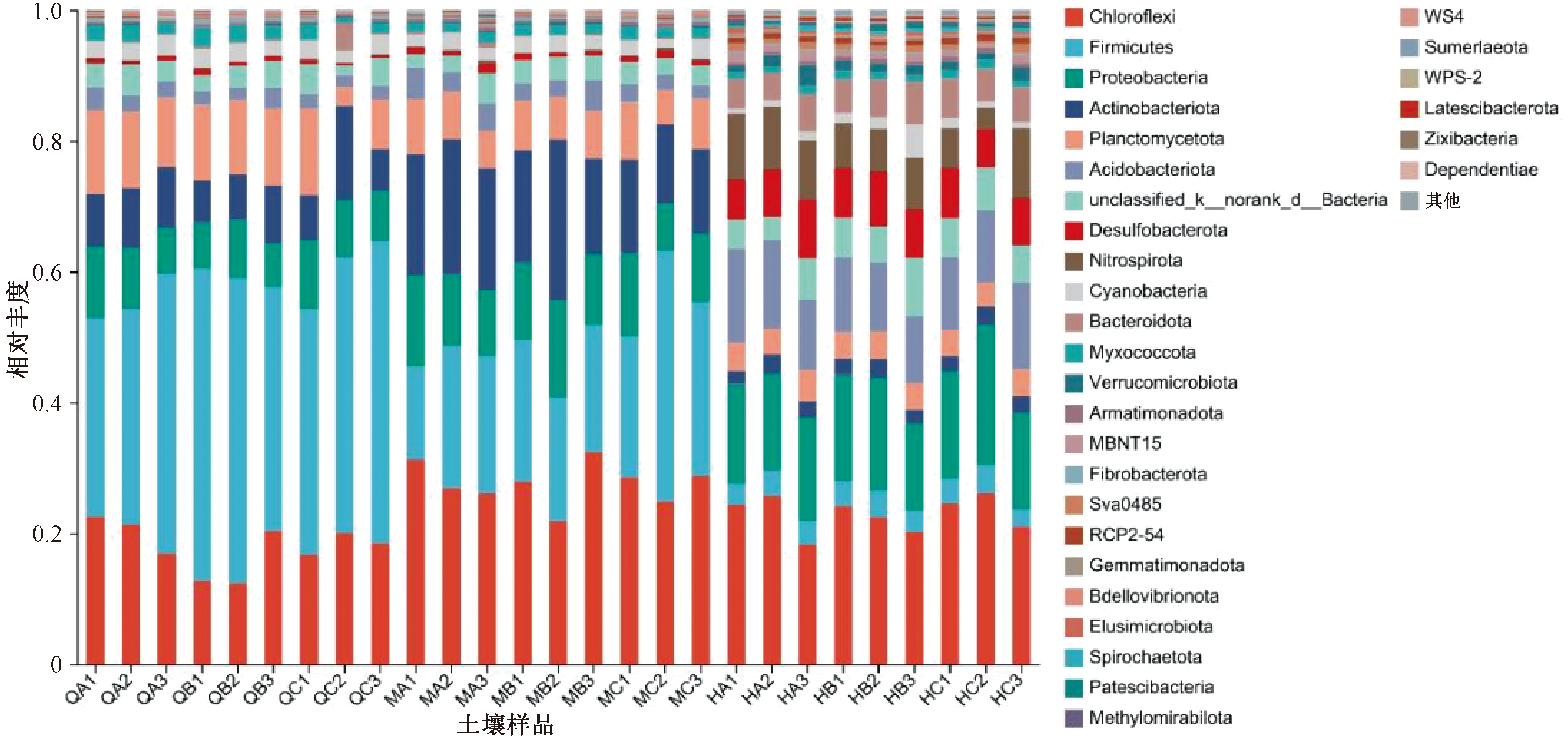
Fig.4 Composition and relative abundance of soil bacterial communities during rice-crayfish rotation
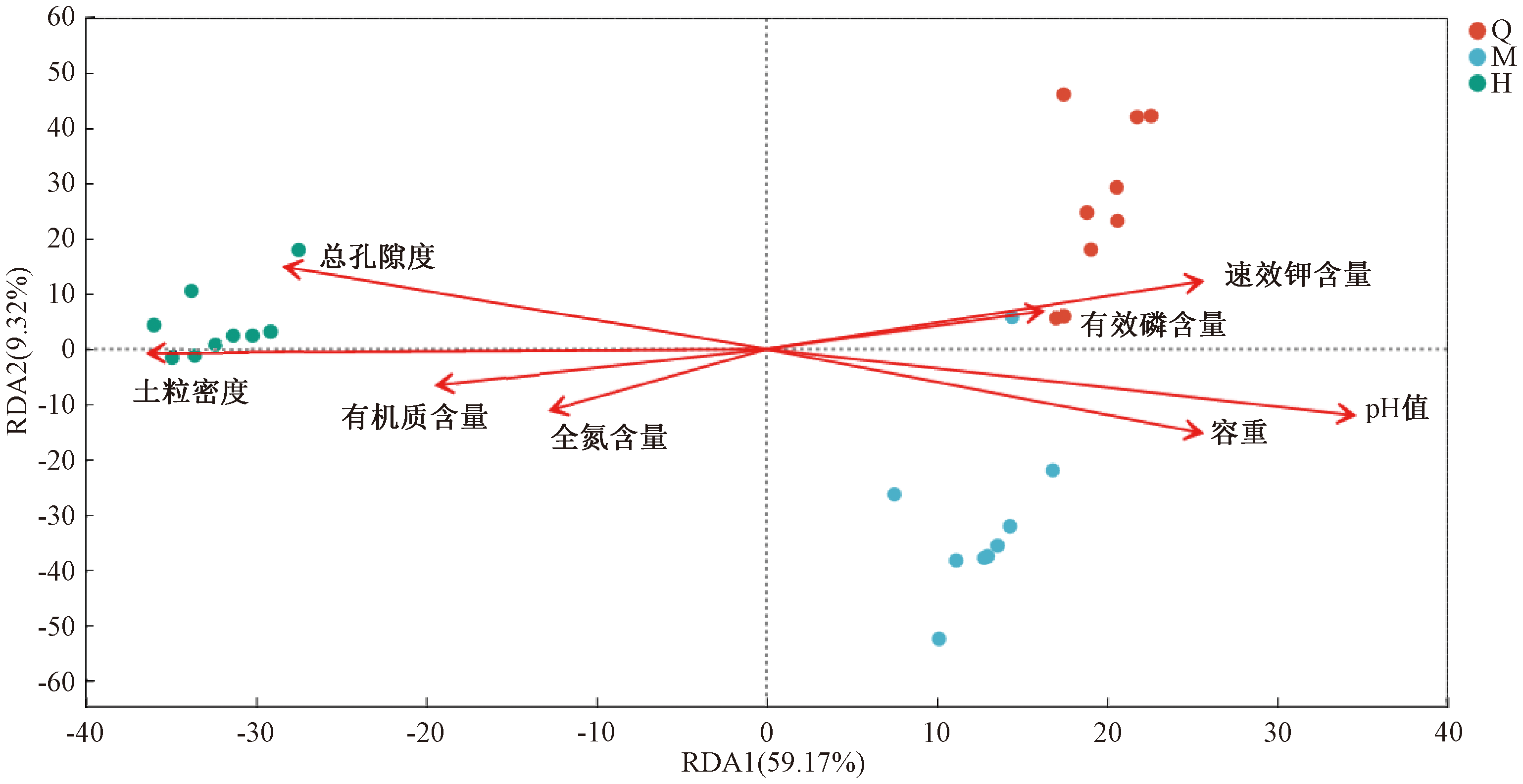
Fig.5 Correlation of soil bacterial microorganismss and soil physicochemical indicators before, during, and after rice-crayfish rotation
| [1] | 张会民, 张卫建, 黄晶, 等. 典型稻作区土壤肥力时空变化与提升原理[M]. 北京: 科学出版社, 2022. |
| [2] | 于秀娟, 郝向举, 党子乔, 等. 中国小龙虾产业发展报告(2022)[J]. 中国水产, 2022, 559(6): 47-54. |
| YU X J, HAO X J, DANG Z Q, et al. China crayfish industry development report (2022)[J]. China Fisheries, 2022, 559(6): 47-54. | |
| [3] | 蔡晨, 李谷, 朱建强, 等. 稻虾轮作模式下江汉平原土壤理化性状特征研究[J]. 土壤学报, 2019, 56(1): 217-226. |
| CAI C, LI G, ZHU J Q, et al. Effects of rice-crawfish rotation on soil physicochemical properties in Jianghan Plain[J]. Acta Pedologica Sinica, 2019, 56(1): 217-226. | |
| [4] | 余经纬, 黄巍, 李玉成, 等. 稻田生态综合种养模式对土壤理化性质及腐殖质的影响[J]. 生物学杂志, 2020, 37(3): 81-85. |
| YU J W, HUANG W, LI Y C, et al. Effects of ecological comprehensive planting and breeding patterns on soil physical and chemical properties and humus in paddy fields[J]. Journal of Biology, 2020, 37(3): 81-85. | |
| [5] | ZHANG D Y, CAI C, ZHU J Q. Changes of soil water-stable aggregates after rice-crawfish rotation in low-lying paddy fields: a case study in Jianghan Plain of China[J]. Communications in Soil Science and Plant Analysis, 2021, 52(19): 2358-2372. |
| [6] | CLAVERO M, LÓPEZ V, FRANCH N, et al. Use of seasonally flooded rice fields by fish and crayfish in a Mediterranean wetland[J]. Agriculture, Ecosystems & Environment, 2015, 213: 39-46. |
| [7] | 蒋岩, 赵灿, 刘光明, 等. 稳稻种养模式下水稻产量形成及周年经济效益研究[J]. 中国稻米, 2021, 27(5): 23-28. |
| JIANG Y, ZHAO C, LIU G M, et al. Characteristics of rice yield formation and annual economic benefit under stable rice integrative cultivation mode[J]. China Rice, 2021, 27(5): 23-28. | |
| [8] | 彭广霞, 李佳琦. 稻虾轮作技术简介[J]. 水产养殖, 2021, 42(3): 50-51. |
| PENG G X, LI J Q. Brief introduction of rice-shrimp rotation technology[J]. Journal of Aquaculture, 2021, 42(3): 50-51. | |
| [9] | 常东洲, 王延晖, 张芹, 等. 稻虾轮作养殖技术[J]. 河南水产, 2022(3): 14-15. |
| CHANG D Z, WANG Y H, ZHANG Q, et al. Rice-crawfish rotation technology[J]. Henan Fisheries, 2022(3): 14-15. | |
| [10] | 公翠萍, 胡大雁, 娄剑锋, 等. “稻-小龙虾”高产轮作模式养殖试验[J]. 科学养鱼, 2022(8): 34-36. |
| GONG C P, HU D Y, LOU J F, et al. Cultivation experiment of “rice-crawfish” in high-yield rotation mode[J]. Scientific Fish Farming, 2022(8): 34-36. | |
| [11] | 冯叶. 浅谈嘉兴市秀洲区稻虾轮作种养模式的应用[J]. 农家科技(上旬刊), 2021(5): 146. |
| FENG Y. Discussion on the application of rice-shrimp rotation planting and breeding model in Xiuzhou District of Jiaxing City[J]. Nongjia Keji, 2021(5): 146. | |
| [12] | 周文杰. 双千亩稻虾轮作实例浅析[J]. 科学养鱼, 2022(6): 37-38. |
| ZHOU W J. Analysis on the example of rice-shrimp rotation with double thousand mu[J]. Scientific Fish Farming, 2022(6): 37-38. | |
| [13] | 郭安托, 陈坚, 周贤锋, 等. 温州水稻-小龙虾轮作高效盈利模式[J]. 水产养殖, 2023, 44(2): 55-56. |
| GUO A T, CHEN J, ZHOU X F, et al. Efficient profit model of rice-crayfish rotation in Wenzhou[J]. Journal of Aquaculture, 2023, 44(2): 55-56. | |
| [14] | 郑纪勇, 邵明安, 张兴昌. 黄土区坡面表层土壤容重和饱和导水率空间变异特征[J]. 水土保持学报, 2004, 18(3): 53-56. |
| ZHENG J Y, SHAO M A, ZHANG X C. Spatial variation of surface soil's bulk density and saturated hydraulic conductivity on slope in loess region[J]. Journal of Soil and Water Conservation, 2004, 18(3): 53-56. | |
| [15] | 顾道健, 薛朋, 陆希婕, 等. 秸秆还田对水稻生长发育和稻田温室气体排放的影响[J]. 中国稻米, 2014, 20(3): 1-5. |
| GU D J, XUE P, LU X J, et al. Effect of straw returning on growth and development of rice and greenhouse gas emission from paddy field[J]. China Rice, 2014, 20(3): 1-5. | |
| [16] | 蒋正德. 稻秸秋季打浆还田培肥地力与减排固碳效应研究[D]. 沈阳: 沈阳农业大学, 2022. |
| JIANG Z D. Effect studies on increasing soil fertility and carbon sequestration of rice straw return with mud in autumn[D]. Shenyang: Shenyang Agricultural University, 2022. | |
| [17] | 黄昌勇. 土壤学[M]. 北京: 中国农业出版社, 2000. |
| [18] | FILLERY R P, DEDATTA S K. Ammonia volatilization from nitrogen volatilization as a N loss mechanism in flooded rice fields[J]. Fertilizer Research, 1986, 9: 78-98. |
| [19] | PORTNOY J W, GIBLIN A E. Biogeochemical effects of seawater restoration to diked salt marshes[J]. Ecological Applications, 1997, 7(3): 1054-1063. |
| [20] | LI Q M, XU L, XU L J, et al. Influence of consecutive integrated rice-crayfish culture on phosphorus fertility of paddy soils[J]. Land Degradation & Development, 2018, 29(10): 3413-3422. |
| [21] | 孙刚, 房岩, 韩国军, 等. 稻-鱼复合生态系统对水田土壤理化性状的影响[J]. 中国土壤与肥料, 2009(4): 21-24, 47. |
| SUN G, FANG Y, HAN G J, et al. Effects of rice-fish integrated ecosystem on physical and chemical properties of paddy soil[J]. Soils and Fertilizers Sciences in China, 2009(4): 21-24, 47. | |
| [22] | 成臣, 汪建军, 程慧煌, 等. 秸秆还田与耕作方式对双季稻产量及土壤肥力质量的影响[J]. 土壤学报, 2018, 55(1): 247-257. |
| CHENG C, WANG J J, CHENG H H, et al. Effects of straw returning and tillage system on crop yield and soil fertility quality in paddy field under double-cropping-rice system[J]. Acta Pedologica Sinica, 2018, 55(1): 247-257. | |
| [23] | 廖育林, 郑圣先, 黄建余, 等. 施钾对湖南主要双季稻区钾肥效应及钾素平衡的影响[J]. 湖南农业大学学报(自然科学版), 2007, 33(6): 754-759. |
| LIAO Y L, ZHENG S X, HUANG J Y, et al. Effect of potassium application on its efficiency and balance in double rice regions in Hunan Province[J]. Journal of Hunan Agricultural University (Natural Sciences), 2007, 33(6): 754-759. | |
| [24] | 叶廷红. 钾肥施用量对水稻产量、钾素吸收利用及稻米品质的影响[D]. 武汉: 华中农业大学, 2021. |
| YE T H. Effects of potassium application rate nn grain yield, potassium absorbtion and utilization, and quality of rice[D]. Wuhan: Huazhong Agricultural University, 2021. | |
| [25] | 鲁如坤. 土壤农业化学分析方法[M]. 北京: 中国农业科学技术出版社, 2000. |
| [26] | 高梦颖, 王恒, 张煌, 等. 混合土物理性质试验研究[J]. 防灾减灾工程学报, 2021, 41(6): 1287-1294. |
| GAO M Y, WANG H, ZHANG H, et al. Experimental study on the physical properties of mixed clays[J]. Journal of Disaster Prevention and Mitigation Engineering, 2021, 41(6): 1287-1294. | |
| [27] | 范富, 徐寿军, 宋桂云, 等. 玉米秸秆造夹层处理对西辽河地区盐碱地改良效应研究[J]. 土壤通报, 2012, 43(3): 696-701. |
| FAN F, XU S J, SONG G Y, et al. Studies on improvement of saline and alkali soil with the interlayer of maize straw in west Liaohe Region[J]. Chinese Journal of Soil Science, 2012, 43(3): 696-701. | |
| [28] | 陈远利, 陈义. 永康市不同土壤的氮肥效应试验[J]. 浙江农业科学, 2012, 53(9): 1305-1306. |
| CHEN Y L, CHEN Y. Effects of nitrogen fertilizer on different soils in Yongkang City[J]. Journal of Zhejiang Agricultural Sciences, 2012, 53(9): 1305-1306. | |
| [29] | ZHANG Y, CHEN M, ZHAO Y Y, et al. Destruction of the soil microbial ecological environment caused by the over-utilization of the rice-crayfish co-cropping pattern[J]. Science of the Total Environment, 2021, 788: 147794. |
| [30] | KENNEDY T A, NAEEM S, HOWE K M, et al. Biodiversity as a barrier to ecological invasion[J]. Nature, 2002, 417(6889): 636-638. |
| [31] | LI P, WU G G, LI Y J, et al. Long-term rice-crayfish-turtle co-culture maintains high crop yields by improving soil health and increasing soil microbial community stability[J]. Geoderma, 2022, 413: 115745. |
| [32] | BAHRAM M, HILDEBRAND F, FORSLUND S K, et al. Structure and function of the global topsoil microbiome[J]. Nature, 2018, 560(7717): 233-237. |
| [33] | DINI-ANDREOTE F, STEGEN J C, VAN ELSAS J D, et al. Disentangling mechanisms that mediate the balance between stochastic and deterministic processes in microbial succession[J]. Proceedings of the National Academy of Sciences of the United States of America, 2015, 112(11): E1326-E1332. |
| [34] | TRIPATHI B M, STEGEN J C, KIM M, et al. Soil pH mediates the balance between stochastic and deterministic assembly of bacteria[J]. The ISME Journal, 2018, 12(4): 1072-1083. |
| [35] | LUAN L, LIANG C, CHEN L J, et al. Coupling bacterial community assembly to microbial metabolism across soil profiles[J]. mSystems, 2020, 5(3). |
| [36] | XIONG J B, WU L Y, TU S X, et al. Microbial communities and functional genes associated with soil arsenic contamination and the rhizosphere of the arsenic-hyperaccumulating plant Pteris vittata L[J]. Applied and Environmental Microbiology, 2010, 76(21): 7277-7284. |
| [1] | REN Jindong, SUN Yuan, CUI Yanyan, WEI Xiaoming, TANG Yong. Effect of integrated rice-fish farming system on soil microbial diversity and function [J]. Journal of Zhejiang Agricultural Sciences, 2025, 66(8): 1829-1834. |
| [2] | TONG Wenbin, ZHENG Zehua, YANG Haijun, LI Ronghui, YE Zhengqian. Profile analysis of soil bacterial community distribution and nitrogen metabolism in citrus orchard under combined application of animal and poultry organic fertilizer and chemical fertilizer [J]. Journal of Zhejiang Agricultural Sciences, 2025, 66(3): 760-768. |
| [3] | YANG Chunya, WU Dongyang, TAN Huiling, YE Yu, ZHAO Zhongqiu, LI Yongtao, XU Huijuan. Effects of pig manure instead of partial nitrogen fertilizer on soil quality, yield and vitamin C content of Chinese flowering cabbage [J]. Journal of Zhejiang Agricultural Sciences, 2025, 66(2): 354-362. |
| [4] | HUANG Haixia, HUANG Kunpeng, YANG Zaijun, CAO Kexin, PAN Hengde, WEI Xueping, LU Fuyong, LI Junlin, LUO Qinzhan. Effects of tobacco-sweet potato intercropping on rhizosphere microbial diversity [J]. Journal of Zhejiang Agricultural Sciences, 2025, 66(12): 2901-2909. |
| [5] | CHENG Yufang, WU Jiang, WANG Ping, WANG Yin, NI Haizhi, YAN Bangguo, CHEN Fangyong. Effects of tree species on soil microbial diversity in Strobilanthes sarcorrhiza understory intercropping system [J]. Journal of Zhejiang Agricultural Sciences, 2025, 66(11): 2764-2771. |
| Viewed | ||||||
|
Full text |
|
|||||
|
Abstract |
|
|||||
