浙江农业科学 ›› 2026, Vol. 67 ›› Issue (4): 1018-1023.DOI: 10.16178/j.issn.0528-9017.20240825

• 资源与环境 • 上一篇    下一篇

生物降解地膜在油豆角生产中的应用及其降解优化

胡媛1(), 邓金花2(), 王杰2, 施林林3, 陆长婴3, 王海候3   

  1. 1.苏州市相城区农业技术综合服务中心,江苏 苏州 215000
    2.苏州市相城区现代农业发展中心,江苏 苏州 215000
    3.苏州市农业科学院,江苏 苏州 215155
  • 收稿日期:2024-10-27 出版日期:2026-04-11 发布日期:2026-04-17
  • 通讯作者: 邓金花
  • 作者简介:邓金花,E-mail:344674028@qq.com
    胡媛,从事农业资源与环境研究。E-mail:2500098370@qq.com
  • 基金资助:
    苏州市农业科技创新项目(SNG2021015);2023年相城区降解地膜应用示范及农膜回收利用情况调查项目(NKY23085)

Application and degradation optimization of biodegradable mulch in Phaseolus vulgaris Linn production

HU Yuan1(), DENG Jinhua2(), WANG Jie2, SHI Linlin3, LU Changying3, WANG Haihou3   

  1. 1.Comprehensive Agricultural Technology Service Center,Xiangcheng District,Suzhou City,Suzhou 215000,Jiangsu
    2.Modern Agricultural Development Center,Xiangcheng District,Suzhou City,Suzhou 215000,Jiangsu
    3.Suzhou Academy of Agricultural Sciences,Suzhou 215155,Jiangsu
  • Received:2024-10-27 Online:2026-04-11 Published:2026-04-17
  • Contact: DENG Jinhua

摘要:

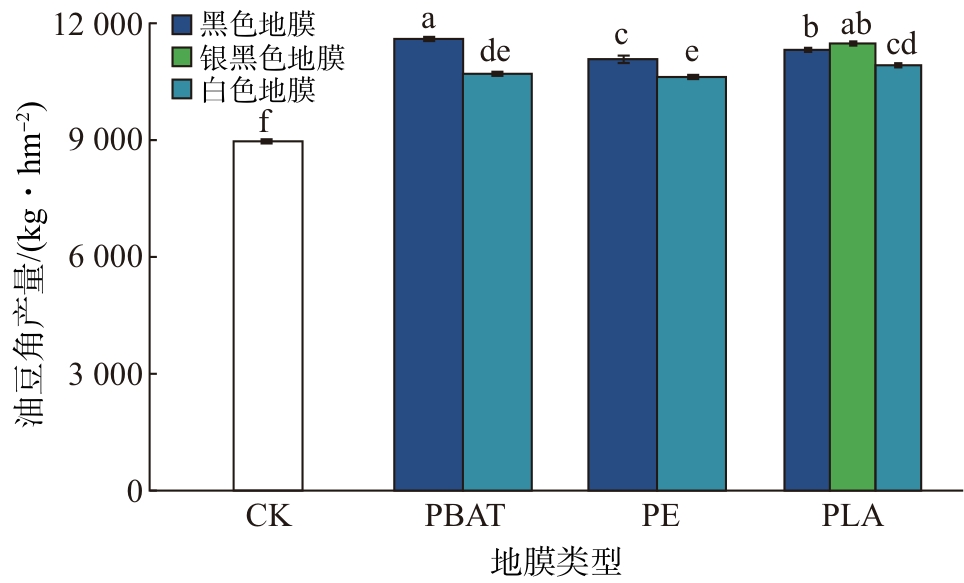
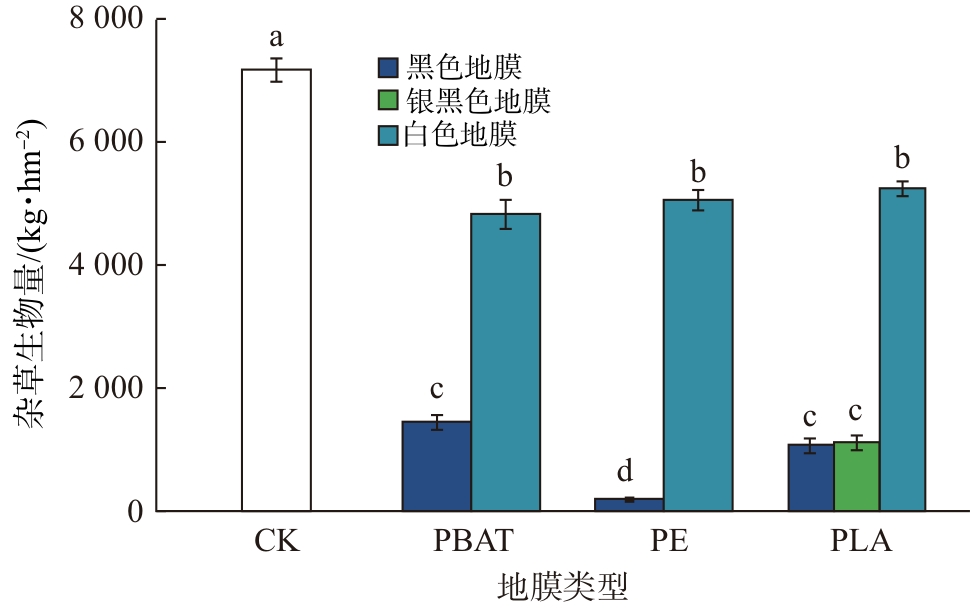
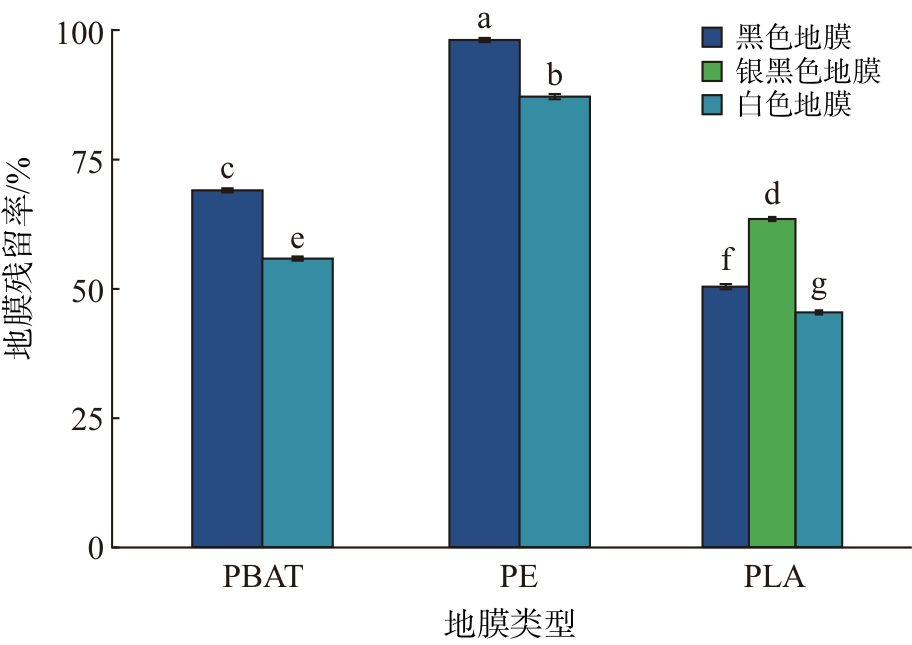
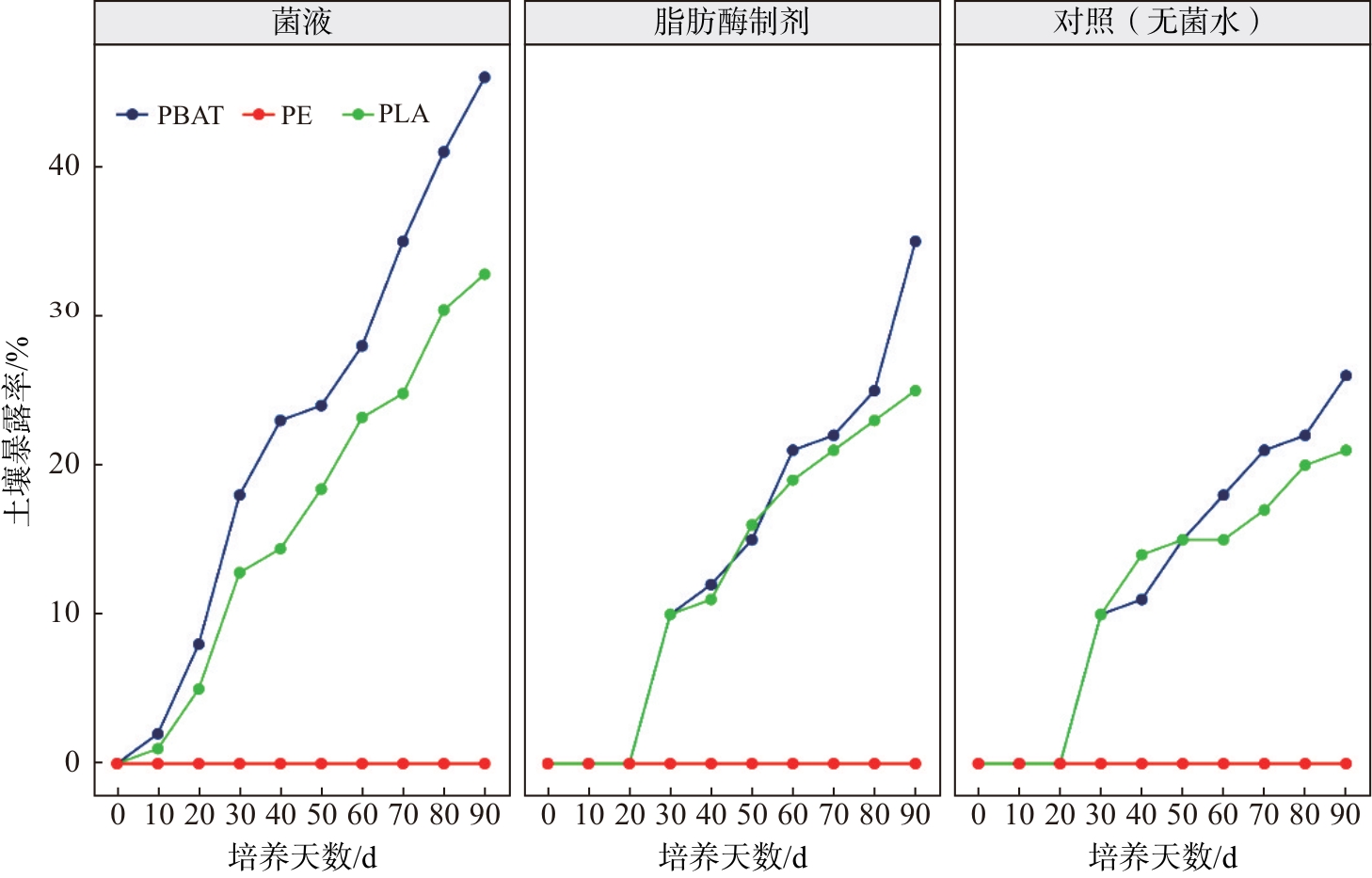
为评价生物降解地膜在长江中下游地区油豆角生产中的应用效果,采用裂区试验设计,主区设置PBAT地膜、PLA地膜、PE地膜和CK(不覆膜)4个处理,裂区设置黑色、白色和银黑色3种不同颜色地膜。同时利用平板培养试验,评价了门多萨假单胞菌和脂肪酶对生物降解地膜的降解效率。结果表明,地膜覆盖显著(p<0.05)提升了油豆角产量,PLA、PBAT和PE地膜覆盖的平均油豆角产量分别为11 236、11 137和10 841 kg·hm-2,不覆盖地膜(CK)产量仅8 954 kg·hm-2。同时,相同类型地膜处理下,覆盖白色地膜的油豆角产量显著低于黑色和银黑色地膜,且覆盖白色地膜的杂草生物量显著高于黑色和银黑色地膜。油豆角全生育期内,PBAT和PLA地膜裂解等级最终为5~6级,地膜残留率为53.0%~62.4%。门多萨假单胞菌和脂肪酶对PBAT和PLA降解有提升作用,门多萨假单胞菌处理的地膜土壤暴露率达33%~46%,脂肪酶处理的地膜土壤暴露率达25%~35%。总体而言,PBAT和PLA地膜对油豆角增产效果与PE地膜一致,且初步达到降解目标,具备在长江中下游地区油豆角生产中的应用和推广潜力。

关键词: 生物降解地膜, 油豆角, 产量, 降解

Abstract:

To evaluate the application effects of biodegradable mulches in Phaseolus vulgaris Linn production in lower-middle reaches of the Yangtze River,a split-plot experimental design was adopted. The main plots included four treatments:PBAT mulch,PLA mulch,PE mulch,and CK(no mulch),while the subplots included three different colors of mulch:black,white,and silver-black. Additionally,a plate culture experiment was used to assess the degradation efficiency of Pseudomonas mendocina and cutinases on the biodegradable mulches. The results showed that mulch coverage significantly(p<0.05)increased the yield of Phaseolus vulgaris Linn,the average yields of Phaseolus vulgaris Linn for PLA,PBAT,and PE mulches were 11 236,11 137,and 10 841 kg·hm-2,respectively,while the yield for CK was only 8 954 kg·hm-2. Moreover,under the same type conditions,the yield of Phaseolus vulgaris Linn covered with white mulch was significantly lower than that covered with black and silver-black mulches,and the weed biomass under white mulch was significantly higher than that under black and silver-black mulches. Throughout the entire growth period of Phaseolus vulgaris Linn,the final degradation grade of PBAT and PLA mulches was 5-6,with a residual rate of 53.0%-62.4%. Pseudomonas mendocina and cutinases enhanced the degradation of PBAT and PLA mulches,with soil exposure rates of 33%-46% for Pseudomonas mendocina and 25%-35% for cutinases. Overall,the yield-increasing effect of PBAT and PLA mulches on Phaseolus vulgaris Linn was consistent with that of PE mulches,and they have preliminarily achieved the degradation target,possessing the potential for application and promotion in Phaseolus vulgaris Linn production in the lower-middle reaches of the Yangtze River.

Key words: biodegradable mulch, Phaseolus vulgaris Linn, yield, degradation

中图分类号: