
Journal of Zhejiang Agricultural Sciences ›› 2026, Vol. 67 ›› Issue (9): 2224-2229.DOI: 10.16178/j.issn.0528-9017.20250258
Previous Articles Next Articles
WANG Ruohan( ), JI Hanle, YAO Junqiao, DING Jianlan, MA Huiping, WANG Erqiang
Received:2025-04-02
Online:2026-09-11
Published:2026-09-24
CLC Number:
WANG Ruohan, JI Hanle, YAO Junqiao, DING Jianlan, MA Huiping, WANG Erqiang. The relationship between the flowering period of Paeonia suffruticosa Andr and its phenotype as well as environmental factors[J]. Journal of Zhejiang Agricultural Sciences, 2026, 67(9): 2224-2229.
Add to citation manager EndNote|Ris|BibTeX
URL: http://www.zjnykx.cn/EN/10.16178/j.issn.0528-9017.20250258
| 编号 | 品种名称 | 花色 | 花型 |
|---|---|---|---|
| 1 | 多花罗汉 | 粉色 | 皇冠型 |
| 2 | 紫蝶探春 | 紫色 | 荷花型 |
| 3 | 银红巧对 | 粉红 | 菊花型 |
| 4 | 红玫瑰 | 紫红 | 荷花型 |
| 5 | 嫦娥奔月 | 粉色 | 菊花型 |
| 6 | 火炼金丹 | 红色 | 荷花型 |
| 7 | 黄翠羽 | 淡黄 | 皇冠型 |
| 8 | 迎日红 | 红色 | 台阁型 |
| 9 | 洛阳红 | 紫红 | 蔷薇型 |
| 10 | 曹州红 | 红色 | 菊花型 |
| 11 | 彩绘 | 粉蓝 | 皇冠型 |
| 12 | 西瓜瓤 | 红色 | 皇冠型 |
| 13 | 银红楼 | 红色 | 台阁型 |
| 14 | 亭亭玉立 | 白色 | 菊花型 |
| 15 | 富贵满堂 | 红色 | 蔷薇型 |
| 16 | 珊瑚台 | 红色 | 台阁型 |
| 17 | 如花似玉 | 粉色 | 菊花型 |
| 18 | 层中笑 | 紫红 | 蔷薇型 |
| 19 | 佳丽 | 白色 | 菊花型 |
| 20 | 墨润绝伦 | 黑色 | 菊花型 |
| 21 | 万叠云峰 | 粉蓝 | 皇冠型 |
| 22 | 百园红霞 | 紫红 | 皇冠型 |
| 23 | 剪绒 | 紫 | 台阁型 |
| 24 | 圣代 | 粉色 | 台阁型 |
| 25 | 花王 | 红色 | 蔷薇型 |
| 26 | 黄冠 | 黄色 | 荷花型 |
| 27 | 麟凤 | 黑色 | 蔷薇型 |
| 28 | 长寿乐 | 粉蓝 | 蔷薇型 |
| 29 | 岛藤 | 粉蓝 | 蔷薇型 |
Table 1 Information on tested ornamental peony varieties
| 编号 | 品种名称 | 花色 | 花型 |
|---|---|---|---|
| 1 | 多花罗汉 | 粉色 | 皇冠型 |
| 2 | 紫蝶探春 | 紫色 | 荷花型 |
| 3 | 银红巧对 | 粉红 | 菊花型 |
| 4 | 红玫瑰 | 紫红 | 荷花型 |
| 5 | 嫦娥奔月 | 粉色 | 菊花型 |
| 6 | 火炼金丹 | 红色 | 荷花型 |
| 7 | 黄翠羽 | 淡黄 | 皇冠型 |
| 8 | 迎日红 | 红色 | 台阁型 |
| 9 | 洛阳红 | 紫红 | 蔷薇型 |
| 10 | 曹州红 | 红色 | 菊花型 |
| 11 | 彩绘 | 粉蓝 | 皇冠型 |
| 12 | 西瓜瓤 | 红色 | 皇冠型 |
| 13 | 银红楼 | 红色 | 台阁型 |
| 14 | 亭亭玉立 | 白色 | 菊花型 |
| 15 | 富贵满堂 | 红色 | 蔷薇型 |
| 16 | 珊瑚台 | 红色 | 台阁型 |
| 17 | 如花似玉 | 粉色 | 菊花型 |
| 18 | 层中笑 | 紫红 | 蔷薇型 |
| 19 | 佳丽 | 白色 | 菊花型 |
| 20 | 墨润绝伦 | 黑色 | 菊花型 |
| 21 | 万叠云峰 | 粉蓝 | 皇冠型 |
| 22 | 百园红霞 | 紫红 | 皇冠型 |
| 23 | 剪绒 | 紫 | 台阁型 |
| 24 | 圣代 | 粉色 | 台阁型 |
| 25 | 花王 | 红色 | 蔷薇型 |
| 26 | 黄冠 | 黄色 | 荷花型 |
| 27 | 麟凤 | 黑色 | 蔷薇型 |
| 28 | 长寿乐 | 粉蓝 | 蔷薇型 |
| 29 | 岛藤 | 粉蓝 | 蔷薇型 |
| 数值 | 花色 | 花型 | 直立性 |
|---|---|---|---|
| 1 | 白色 | 单瓣 | 直立 |
| 3 | 粉色 | 荷花 | — |
| 4 | 粉蓝、粉绿、粉红、淡黄 | 菊花 | — |
| 5 | 红色、黄色 | 蔷薇 | 侧开 |
| 7 | 紫色、紫红色 | 台阁 | — |
| 9 | 墨紫红 | 皇冠、绣球 | 垂头 |
Table 2 Method for assigning flowering habits indicators to the tested ornamental peony varieties
| 数值 | 花色 | 花型 | 直立性 |
|---|---|---|---|
| 1 | 白色 | 单瓣 | 直立 |
| 3 | 粉色 | 荷花 | — |
| 4 | 粉蓝、粉绿、粉红、淡黄 | 菊花 | — |
| 5 | 红色、黄色 | 蔷薇 | 侧开 |
| 7 | 紫色、紫红色 | 台阁 | — |
| 9 | 墨紫红 | 皇冠、绣球 | 垂头 |
| 项目 | 花期长度/d | 开花习性 | 花瓣性状 | 环境因子 | ||||||||||||
|---|---|---|---|---|---|---|---|---|---|---|---|---|---|---|---|---|
| 花色 | 花型 | 直立性 | 花径/ cm | 成花 率/% | 花瓣数 | 花瓣厚度 | 花瓣 纵长 | 花瓣 横长 | 含水率/% | 平均气温/℃ | 光照强度/lx | 湿度/ % | 风速/(m·s-1) | 日最高温/℃ | ||
| 最小值 | 7 | 1 | 1 | 1 | 12.8 | 1.10 | 13 | 0.240 | 6.2 | 5.7 | 78.80 | 16.41 | 42 670 | 62.5 | 0.96 | 22.59 |
| 最大值 | 13 | 9 | 8 | 5 | 19.2 | 2.03 | 290 | 0.604 | 9.1 | 9.0 | 85.40 | 20.47 | 59 105 | 71.9 | 1.18 | 28.07 |
| 标准差 | 1.56 | 1.98 | 1.71 | 1.82 | 1.74 | 0.20 | 71 | 0.084 | 0.76 | 0.98 | 0.08 | 1.21 | 4 117 | 2.88 | 0.05 | 1.51 |
| 变异系数/% | 17.53 | 40.16 | 34.20 | 86.67 | 10.53 | 13.42 | 71.00 | 21.050 | 9.92 | 13.63 | 9.94 | 6.40 | 7.76 | 4.32 | 4.63 | 5.73 |
Table 3 Variations in flowering duration,floral phenotypic characteristics,and environmental factor indicators among different peony varieties
| 项目 | 花期长度/d | 开花习性 | 花瓣性状 | 环境因子 | ||||||||||||
|---|---|---|---|---|---|---|---|---|---|---|---|---|---|---|---|---|
| 花色 | 花型 | 直立性 | 花径/ cm | 成花 率/% | 花瓣数 | 花瓣厚度 | 花瓣 纵长 | 花瓣 横长 | 含水率/% | 平均气温/℃ | 光照强度/lx | 湿度/ % | 风速/(m·s-1) | 日最高温/℃ | ||
| 最小值 | 7 | 1 | 1 | 1 | 12.8 | 1.10 | 13 | 0.240 | 6.2 | 5.7 | 78.80 | 16.41 | 42 670 | 62.5 | 0.96 | 22.59 |
| 最大值 | 13 | 9 | 8 | 5 | 19.2 | 2.03 | 290 | 0.604 | 9.1 | 9.0 | 85.40 | 20.47 | 59 105 | 71.9 | 1.18 | 28.07 |
| 标准差 | 1.56 | 1.98 | 1.71 | 1.82 | 1.74 | 0.20 | 71 | 0.084 | 0.76 | 0.98 | 0.08 | 1.21 | 4 117 | 2.88 | 0.05 | 1.51 |
| 变异系数/% | 17.53 | 40.16 | 34.20 | 86.67 | 10.53 | 13.42 | 71.00 | 21.050 | 9.92 | 13.63 | 9.94 | 6.40 | 7.76 | 4.32 | 4.63 | 5.73 |
| 指标 | 开花习性 | 花瓣特性 | 环境因子 | ||||||||||||
|---|---|---|---|---|---|---|---|---|---|---|---|---|---|---|---|
| 花色 | 花型 | 直立性 | 花径 | 成花率 | 花瓣数 | 花瓣厚度 | 花瓣纵长 | 花瓣横长 | 含水率 | 平均气温 | 光照强度 | 湿度 | 风速 | 日最高温 | |
| 花期长度 | 0.045 | -0.134 | -0.010 | -0.067 | 0.622** | -0.009 | 0.515** | -0.165 | 0.032 | -0.161 | -0.378* | -0.691** | 0.341 | 0.022 | -0.506** |
| 花色 | -0.190 | 0.313 | -0.060 | 0.093 | -0.103 | 0.248 | -0.144 | -0.078 | 0.317 | 0.115 | -0.073 | 0.227 | -0.101 | 0.076 | |
| 花型 | 0.149 | -0.217 | -0.275 | 0.833** | -0.223 | -0.287 | -0.171 | -0.155 | 0.151 | 0.202 | -0.151 | 0.142 | 0.220 | ||
| 直立性 | 0.047 | -0.286 | 0.251 | 0.107 | -0.004 | 0.120 | 0.277 | 0.449* | 0.027 | 0.393* | 0.430* | 0.389* | |||
| 花径 | -0.115 | -0.376* | 0.356 | 0.835** | 0.495** | -0.389* | 0.372* | 0.066 | 0.439* | 0.406* | 0.314 | ||||
| 成花率 | -0.312 | 0.439* | -0.174 | -0.096 | -0.199 | -0.461* | -0.299 | -0.081 | -0.252 | -0.476** | |||||
| 花瓣数 | -0.309 | -0.468* | -0.372* | -0.039 | 0.222 | 0.066 | 0.010 | 0.253 | 0.245 | ||||||
| 花瓣厚度 | 0.247 | 0.536** | -0.219 | -0.045 | -0.450* | 0.457* | 0.160 | -0.153 | |||||||
| 花瓣纵长 | 0.564** | -0.219 | 0.313 | 0.115 | 0.316 | 0.196 | 0.277 | ||||||||
| 花瓣横长 | -0.151 | -0.058 | 0.060 | -0.004 | 0.067 | -0.043 | |||||||||
| 含水率 | 0.123 | 0.073 | -0.045 | -0.099 | 0.141 | ||||||||||
| 平均气温 | 0.420* | 0.496** | 0.656** | 0.970** | |||||||||||
| 光照强度 | -0.515** | 0.093 | 0.619** | ||||||||||||
| 湿度 | 0.529** | 0.284 | |||||||||||||
| 风速 | 0.587** | ||||||||||||||
Table 4 Correlation between flowering duration,floral phenotypic traits,and environmental factor indicators of ornamental peony
| 指标 | 开花习性 | 花瓣特性 | 环境因子 | ||||||||||||
|---|---|---|---|---|---|---|---|---|---|---|---|---|---|---|---|
| 花色 | 花型 | 直立性 | 花径 | 成花率 | 花瓣数 | 花瓣厚度 | 花瓣纵长 | 花瓣横长 | 含水率 | 平均气温 | 光照强度 | 湿度 | 风速 | 日最高温 | |
| 花期长度 | 0.045 | -0.134 | -0.010 | -0.067 | 0.622** | -0.009 | 0.515** | -0.165 | 0.032 | -0.161 | -0.378* | -0.691** | 0.341 | 0.022 | -0.506** |
| 花色 | -0.190 | 0.313 | -0.060 | 0.093 | -0.103 | 0.248 | -0.144 | -0.078 | 0.317 | 0.115 | -0.073 | 0.227 | -0.101 | 0.076 | |
| 花型 | 0.149 | -0.217 | -0.275 | 0.833** | -0.223 | -0.287 | -0.171 | -0.155 | 0.151 | 0.202 | -0.151 | 0.142 | 0.220 | ||
| 直立性 | 0.047 | -0.286 | 0.251 | 0.107 | -0.004 | 0.120 | 0.277 | 0.449* | 0.027 | 0.393* | 0.430* | 0.389* | |||
| 花径 | -0.115 | -0.376* | 0.356 | 0.835** | 0.495** | -0.389* | 0.372* | 0.066 | 0.439* | 0.406* | 0.314 | ||||
| 成花率 | -0.312 | 0.439* | -0.174 | -0.096 | -0.199 | -0.461* | -0.299 | -0.081 | -0.252 | -0.476** | |||||
| 花瓣数 | -0.309 | -0.468* | -0.372* | -0.039 | 0.222 | 0.066 | 0.010 | 0.253 | 0.245 | ||||||
| 花瓣厚度 | 0.247 | 0.536** | -0.219 | -0.045 | -0.450* | 0.457* | 0.160 | -0.153 | |||||||
| 花瓣纵长 | 0.564** | -0.219 | 0.313 | 0.115 | 0.316 | 0.196 | 0.277 | ||||||||
| 花瓣横长 | -0.151 | -0.058 | 0.060 | -0.004 | 0.067 | -0.043 | |||||||||
| 含水率 | 0.123 | 0.073 | -0.045 | -0.099 | 0.141 | ||||||||||
| 平均气温 | 0.420* | 0.496** | 0.656** | 0.970** | |||||||||||
| 光照强度 | -0.515** | 0.093 | 0.619** | ||||||||||||
| 湿度 | 0.529** | 0.284 | |||||||||||||
| 风速 | 0.587** | ||||||||||||||
| 指标 | 主成分 | ||||
|---|---|---|---|---|---|
| 1 | 2 | 3 | 4 | 5 | |
| 花期长度 | -0.643 | 0.327 | 0.514 | -0.014 | 0.215 |
| 花色 | -0.066 | 0.068 | 0.125 | 0.735 | -0.018 |
| 花型 | 0.315 | -0.465 | 0.435 | -0.507 | 0.020 |
| 直立性 | -0.012 | 0.420 | 0.209 | -0.283 | -0.667 |
| 花径 | 0.384 | 0.791 | -0.192 | -0.165 | 0.140 |
| 成花率 | -0.699 | 0.159 | 0.054 | 0.096 | 0.566 |
| 花瓣数 | 0.300 | -0.539 | 0.652 | -0.305 | -0.002 |
| 花瓣厚度 | -0.295 | 0.752 | 0.233 | 0.045 | 0.085 |
| 花瓣纵长 | 0.358 | 0.722 | -0.401 | -0.135 | -0.010 |
| 花瓣横长 | 0.031 | 0.604 | -0.382 | -0.266 | -0.147 |
| 含水率 | 0.073 | -0.304 | -0.061 | 0.687 | -0.391 |
| 平均气温 | 0.892 | 0.173 | 0.222 | 0.255 | 0.109 |
| 光照强度 | 0.630 | -0.356 | -0.517 | -0.025 | 0.305 |
| 湿度 | 0.212 | 0.631 | 0.598 | 0.274 | -0.064 |
| 风速 | 0.603 | 0.339 | 0.459 | -0.036 | 0.163 |
| 日最高温 | 0.933 | 0.036 | 0.080 | 0.204 | 0.164 |
| 特征值 | 3.935 | 3.662 | 2.235 | 1.755 | 1.176 |
| 方差贡献率/% | 24.595 | 22.885 | 13.968 | 10.966 | 7.348 |
| 累计方差贡献率/% | 24.595 | 47.480 | 61.448 | 72.414 | 79.762 |
Table 5 Principal component analysis of flowering duration,floral phenotypic traits,and environmental factor
| 指标 | 主成分 | ||||
|---|---|---|---|---|---|
| 1 | 2 | 3 | 4 | 5 | |
| 花期长度 | -0.643 | 0.327 | 0.514 | -0.014 | 0.215 |
| 花色 | -0.066 | 0.068 | 0.125 | 0.735 | -0.018 |
| 花型 | 0.315 | -0.465 | 0.435 | -0.507 | 0.020 |
| 直立性 | -0.012 | 0.420 | 0.209 | -0.283 | -0.667 |
| 花径 | 0.384 | 0.791 | -0.192 | -0.165 | 0.140 |
| 成花率 | -0.699 | 0.159 | 0.054 | 0.096 | 0.566 |
| 花瓣数 | 0.300 | -0.539 | 0.652 | -0.305 | -0.002 |
| 花瓣厚度 | -0.295 | 0.752 | 0.233 | 0.045 | 0.085 |
| 花瓣纵长 | 0.358 | 0.722 | -0.401 | -0.135 | -0.010 |
| 花瓣横长 | 0.031 | 0.604 | -0.382 | -0.266 | -0.147 |
| 含水率 | 0.073 | -0.304 | -0.061 | 0.687 | -0.391 |
| 平均气温 | 0.892 | 0.173 | 0.222 | 0.255 | 0.109 |
| 光照强度 | 0.630 | -0.356 | -0.517 | -0.025 | 0.305 |
| 湿度 | 0.212 | 0.631 | 0.598 | 0.274 | -0.064 |
| 风速 | 0.603 | 0.339 | 0.459 | -0.036 | 0.163 |
| 日最高温 | 0.933 | 0.036 | 0.080 | 0.204 | 0.164 |
| 特征值 | 3.935 | 3.662 | 2.235 | 1.755 | 1.176 |
| 方差贡献率/% | 24.595 | 22.885 | 13.968 | 10.966 | 7.348 |
| 累计方差贡献率/% | 24.595 | 47.480 | 61.448 | 72.414 | 79.762 |
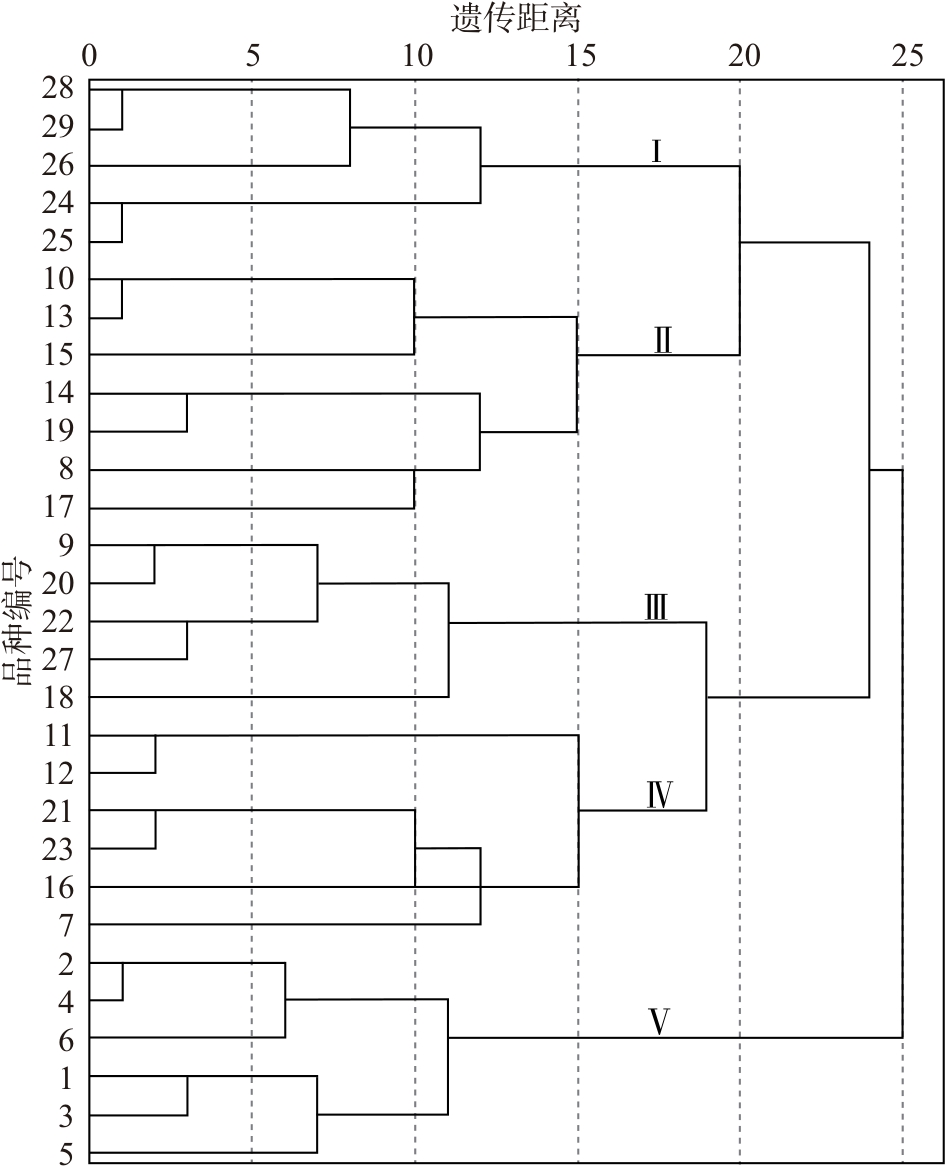
Fig.1 Cluster analysis of flowering duration,floral phenotypic traits,and environmental factors
| [1] | 高志民,彭镇华. 论中国牡丹、芍药生产的产业化与可持续发展[J]. 世界林业研究,2004(2):45-48. |
| [2] | 王高潮,陈煜超. 中国芍药品种鉴赏与培育[M]. 北京:中国林业出版社,2004. |
| [3] | 张晶晶,王亮生,刘政安,等. 牡丹花色研究进展[J]. 园艺学报,2006,33(6):1383-1388. |
| [4] | 刘玉英,成仿云. 中原牡丹花色类型及其分类研究[C]//庆祝中国园艺学会创建80周年暨第11次全国会员代表大会,2009:199. |
| [5] | 张艳丽,李正红,马宏,等. 滇牡丹花色类群性状变异分析[J]. 植物分类与资源学报,2011,33(2):183-190. |
| [6] | 冀含乐,王晓晖,王若晗,等. 牡丹花型研究进展[J]. 特产研究,2022,44(6):164-167. |
| [7] | 李栋,张立攀,赵梦瑶,等. GC×GC-TOFMS法研究牡丹花香气成分[J]. 河南科学,2022,40(10):1592-1601. |
| [8] | 于梦,赵蕊,王崇章,等. 牡丹物候期观测及温湿度相关性分析[J]. 北方园艺,2017(1):70-75. |
| [9] | 陈琪,张贯臣,苏金乐. 洛阳牡丹花期预测模型构建与检验[J]. 浙江农业学报,2013,25(1):73-78. |
| [10] | 岳高峰,王丽萍,刘丽,等. 基于气象条件下的牡丹花期预报预测研究[J]. 江西农业学报,2020,32(2):105-109. |
| [11] | 陈富慧,索志立,赵孝庆,等. 中国牡丹品种的花期[J]. 东北林业大学学报,2005,33(6):55-61. |
| [12] | Nepal S, Trunschke J, Ren Z X,et al. Flowering phenology differs among wet and dry sub-alpine meadows in southwestern China[J]. AoB Plants,2024,16(1):plae002. |
| [13] | Stpiczynska M. Floral longevity and nectar secretion of Platanthera chlorantha(Custer)Rchb.(Orchidaceae)[J]. Annals of Botany,2003,92(2):191-197. |
| [14] | Zhang F P, Feng J Q, Huang J L,et al. Floral longevity of Paphiopedilum and Cypripedium is associated with floral morphology[J]. Frontiers in Plant Science,2021,12:637236. |
| [15] | Zhao Z G, Hou M, Wang Y J,et al. Phenological variation of flower longevity and duration of sex phases in a protandrous alpine plant:potential causes and fitness significance[J]. BMC Plant Biology,2020,20(1):137. |
| [16] | Arroyo M T K, Tamburrino Í, Pliscoff P,et al. Flowering phenology adjustment and flower longevity in a south American alpine species[J]. Plants,2021,10(3):461. |
| [17] | 王业社,侯伯鑫,索志立,等. 紫薇品种表型多样性分析[J]. 植物遗传资源学报,2015,16(1):71-79. |
| [18] | 植物新品种特异性、一致性、稳定性测试指南 牡丹 [S]. |
| [19] | 张红磊,丰震,郭先锋,等. 牡丹花期的重复力与遗传相关分析[J]. 中国农学通报,2010,26(14):243-246. |
| [20] | 蒋育昊,楚天舒,刘樯漪,等. 青藏高原草地植物花期物候的变化及其对水热的响应研究进展[J]. 草原与草坪,2023,43(3):156-167. |
| [21] | 刘帅. 牡丹不同品种花期差异的生理机理研究[D]. 泰安:山东农业大学,2012. |
| [22] | 孙宜,包峥焱. 北京市植物园地栽梅花花期物候观测与分析[J]. 北京林业大学学报,2013,35():72-75. |
| [23] | 邹嘉琪,何秉宇,陈静,等. 伊宁市木本植物开花物候特征及其与环境因子关系研究[J]. 安徽农业科学,2021,49(16):75-81. |
| [24] | 萨日娜,温婷,魏绪英,等. 场地微气候对红花石蒜开花物候的影响[J]. 南方林业科学,2024,52(1):5-10. |
| [25] | Liu H L, Dai J H, Liu J. Spatiotemporal variation in full-flowering dates of tree peonies in the middle and lower reaches of China's Yellow River:a simulation through the panel data model[J]. Sustainability,2017,9(8):1343. |
| [1] | ZHEN Junqi, LI Junli, TAN Xiufang, ZOU Ming, LIU Yicheng, WEI Fang, DONG Qi, CHEN Xi. Texture identification and evaluation of different fruit-shaped peppers based on texture profile analysis [J]. Journal of Zhejiang Agricultural Sciences, 2026, 67(8): 1977-1981. |
| [2] | FU Hongfei, GUO Saisai, NIE Zhixing, ZHENG Jirong. Effect of increased potassium application rates on growth and nutrient contents in greenhouse-cultivated pepper [J]. Journal of Zhejiang Agricultural Sciences, 2026, 67(5): 1112-1116. |
| [3] | ZHENG Guangshou, TAO Peng, YUE Zhichen, LI Biyuan, ZHANG Jinwan, YANG Hejun. Introduction and breeding trial of high-quality new cabbage varieties [J]. Journal of Zhejiang Agricultural Sciences, 2026, 67(5): 1198-1202. |
| [4] | LI Luofei, LOU Anqi, SONG Xieqing, SUN Qinan, CHEN Miaojin. Correlation between environmental factors and fruit growth of honey peach in Fenghua [J]. Journal of Zhejiang Agricultural Sciences, 2026, 67(4): 943-948. |
| [5] | TIAN Shengying, XIA Qianhao, LYU Xiumin, CHEN Fuli, JI Linzhang, WANG Weijun. Analysis of influencing factors of cottonseed protein,oil and gossypol [J]. Journal of Zhejiang Agricultural Sciences, 2026, 67(3): 804-812. |
| [6] | NIU Zhe, ZHAI Tongtong, YU Lu, LIU Wei, HAO Liyuan, ZHANG Leixiao, YE Xiaorui. Comprehensive evaluation of 26 varieties of Hydrangea macrophylla in coastal area of Tianjin [J]. Journal of Zhejiang Agricultural Sciences, 2025, 66(3): 667-673. |
| [7] | WU Yanfen, QIU Guoqiang, QIAO Yu, PAN Deshou, SHI Jian, GAO Bailong, CHEN Yijie. Potential distribution predition of Pomacea canaliculata in Zhejiang Province of China based on MaxEnt model [J]. Journal of Zhejiang Agricultural Sciences, 2025, 66(11): 2724-2731. |
| [8] | GUO Aihuan, LIAN Qingping, ZHANG Aiju, CHEN Wei, CHEN Huan, SHENG Pengcheng, YUAN Julin, CHEN Guangmei. Study on the variation characteristics and key driving factors of zooplankton community in Qianxiahu Reservoir [J]. Journal of Zhejiang Agricultural Sciences, 2025, 66(10): 2478-2486. |
| [9] | ZHENG Xiliang, SUN Li, QI Xingjiang, LIANG Senmiao, YU Zheping, ZHANG Qi, ZHANG Shuwen. Correlation analysis between fruit quality indicators and soil fertility factors in Chinese bayberry [J]. Journal of Zhejiang Agricultural Sciences, 2024, 65(9): 2112-2118. |
| [10] | SUN Li, ZHENG Xiliang, LIANG Senmiao, ZHANG Qi, YU Zheping, QI Xingjiang, ZHANG Shuwen. Differential analysis of soil factor affecting the formation of fruit quality in different Myric rubra varieties [J]. Journal of Zhejiang Agricultural Sciences, 2024, 65(8): 1826-1832. |
| [11] | CAI Jinhua. Correlation and cluster analysis of agronomic traits of wheat germplasm resources [J]. Journal of Zhejiang Agricultural Sciences, 2024, 65(6): 1316-1319. |
| [12] | TAO Zhengrong, TU Bingjiang, GUO Rongbing, CAO Yongqing, YUAN Lingguang, CHEN Meiyan, ZENG Tao, TIAN Yong, LU Lizhi. Measurement and correlation analysis of body size and slaughter performance of Wenling grass chickens [J]. Journal of Zhejiang Agricultural Sciences, 2024, 65(3): 689-692. |
| Viewed | ||||||
|
Full text |
|
|||||
|
Abstract |
|
|||||
