
Journal of Zhejiang Agricultural Sciences ›› 2026, Vol. 67 ›› Issue (9): 2218-2223.DOI: 10.16178/j.issn.0528-9017.20250563
Previous Articles Next Articles
ZHANG Fujian1( ), SANG Liangliang2(), ZHANG Ping2
Received:2025-08-05
Online:2026-09-11
Published:2026-09-24
Contact:
SANG Liangliang
CLC Number:
ZHANG Fujian, SANG Liangliang, ZHANG Ping. Evaluation of agronomic traits among 28 Pelargonium hortorum germplasm resources[J]. Journal of Zhejiang Agricultural Sciences, 2026, 67(9): 2218-2223.
Add to citation manager EndNote|Ris|BibTeX
URL: http://www.zjnykx.cn/EN/10.16178/j.issn.0528-9017.20250563
| 系列 | 种质编号 | 种质名称 | 系列 | 种质编号 | 种质名称 |
|---|---|---|---|---|---|
| 大力水手 | A01 | 淡鲑红 | 大力水手 | A15 | 橙色 |
| A02 | 魔力粉红 | 大草原 | B01 | 酒红闪耀 | |
| A03 | 鲑红 | B02 | 红宝石 | ||
| A04 | 猩红 | B03 | 粉色飞溅 | ||
| A05 | 紫红色 | B04 | 桃红闪耀 | ||
| A06 | 深红 | B05 | 正红 | ||
| A07 | 苹果花色 | 桑塔纳 | C01 | 正红 | |
| A08 | 靛蓝天空 | C02 | 亮红 | ||
| A09 | 霓虹色 | C03 | 紫红闪耀 | ||
| A10 | 蜡染粉色 | C04 | 白色飞溅 | ||
| A11 | 火烈鸟粉红 | C05 | 粉红 | ||
| A12 | 玫瑰女王 | 萨莉塔 | D01 | 狂热鲑红 | |
| A13 | 红色 | D02 | 白色飞溅 | ||
| A14 | 粉红 | D03 | 紫罗兰飞溅 |
Table 1 Tested Pelargonium hortorum germplasm resources
| 系列 | 种质编号 | 种质名称 | 系列 | 种质编号 | 种质名称 |
|---|---|---|---|---|---|
| 大力水手 | A01 | 淡鲑红 | 大力水手 | A15 | 橙色 |
| A02 | 魔力粉红 | 大草原 | B01 | 酒红闪耀 | |
| A03 | 鲑红 | B02 | 红宝石 | ||
| A04 | 猩红 | B03 | 粉色飞溅 | ||
| A05 | 紫红色 | B04 | 桃红闪耀 | ||
| A06 | 深红 | B05 | 正红 | ||
| A07 | 苹果花色 | 桑塔纳 | C01 | 正红 | |
| A08 | 靛蓝天空 | C02 | 亮红 | ||
| A09 | 霓虹色 | C03 | 紫红闪耀 | ||
| A10 | 蜡染粉色 | C04 | 白色飞溅 | ||
| A11 | 火烈鸟粉红 | C05 | 粉红 | ||
| A12 | 玫瑰女王 | 萨莉塔 | D01 | 狂热鲑红 | |
| A13 | 红色 | D02 | 白色飞溅 | ||
| A14 | 粉红 | D03 | 紫罗兰飞溅 |
| 种质编号 | 株高/cm | 茎粗/mm | 冠幅/cm | 分枝数 |
|---|---|---|---|---|
| A01 | 10.73±0.93 bcde | 8.06±0.46 h | 18.83±1.17 j | 2.67±0.33 bcd |
| A02 | 9.67±0.65 cdef | 9.01±0.21 efgh | 19.77±0.20 hij | 2.67±0.33 bcd |
| A03 | 7.93±0.34 f | 9.20±0.92 defgh | 21.83±0.52 efghij | 3.33±0.33 abc |
| A04 | 10.87±0.93 bcd | 10.90±0.86 abcdefg | 22.50±1.11 defghi | 3.67±0.33 ab |
| A05 | 10.60±0.40 bcde | 11.17±0.78 abcdefg | 22.60±0.31 defghi | 3.67±0.33 ab |
| A06 | 13.87±1.46 a | 10.80±0.56 abcdefgh | 28.00±0.85 ab | 3.33±0.33 abc |
| A07 | 11.30±1.02 bcd | 11.43±0.96 abcdef | 26.87±1.28 abc | 4.00±0 a |
| A08 | 11.70±0.56 abc | 9.97±1.37 bcdefgh | 27.40±1.30 abc | 3.67±0.33 ab |
| A09 | 10.90±0.12 bcd | 8.83±0.37 fgh | 24.30±0.95 cdefg | 3.33±0.88 abc |
| A10 | 12.37±1.10 ab | 9.47±0.38 cdefgh | 25.20±1.80 bcd | 3.00±0.58 abcd |
| A11 | 10.20±0.45 bcdef | 10.87±0.48 abcdefg | 22.93±0.68 defgh | 3.00±0 abcd |
| A12 | 12.07±0.75 abc | 10.63±0.44 abcdefgh | 24.43±1.49 cdef | 2.67±0.33 bcd |
| A13 | 10.40±0.46 bcde | 8.70±0.85 fgh | 23.63±0.56 defg | 2.67±0.33 bcd |
| A14 | 12.33±0.44 ab | 12.66±1.46 ab | 24.50±0.75 cde | 3.67±0.33 ab |
| A15 | 11.00±0.50 bcd | 11.71±0.74 abcde | 26.80±0.70 abc | 3.33±0.33 abc |
| B01 | 10.57±0.90 bcde | 8.87±0.93 fgh | 21.13±0.73 ghij | 3.00±0 abcd |
| B02 | 8.33±0.15 ef | 9.47±0.43 cdefgh | 19.40±0.85 ij | 3.00±0 abcd |
| B03 | 10.50±0.20 bcde | 9.00±0.84 efgh | 21.23±1.35 fghij | 2.00±0 d |
| B04 | 9.00±0.67 def | 8.63±0.26 gh | 21.53±1.35 efghij | 2.67±0.33 bcd |
| B05 | 11.20±0.58 bcd | 11.09±0.59 abcdefg | 20.37±0.49 hij | 2.33±0.33 cd |
| C01 | 9.83±0.60 cdef | 9.91±0.91 bcdefgh | 29.17±0.60 a | 3.33±0.33 abc |
| C02 | 10.83±0.60 bcd | 12.08±0.71 abc | 29.50±0.29 a | 3.33±0.33 abc |
| C03 | 9.77±0.37 cdef | 12.86±0.83 a | 25.33±1.30 bcd | 3.67±0.33 ab |
| C04 | 10.00±0.50 bcdef | 12.42±1.71 ab | 25.50±0.29 bcd | 3.67±0.33 ab |
| C05 | 10.33±1.01 bcde | 12.00±0.16 abc | 27.07±0.81 abc | 2.67±0.33 bcd |
| D01 | 10.13±0.97 bcdef | 11.24±0.40 abcdefg | 21.23±1.15 fghij | 2.33±0.33 cd |
| D02 | 10.60±0.67 bcde | 11.87±0.92 abcd | 22.70±1.11 defgh | 2.67±0.33 bcd |
| D03 | 10.77±0.52 bcd | 8.50±0.46 gh | 21.23±0.32 fghij | 3.00±0 abcd |
Table 2 Growth indicators of different Pelargonium hortorum germplasm resources
| 种质编号 | 株高/cm | 茎粗/mm | 冠幅/cm | 分枝数 |
|---|---|---|---|---|
| A01 | 10.73±0.93 bcde | 8.06±0.46 h | 18.83±1.17 j | 2.67±0.33 bcd |
| A02 | 9.67±0.65 cdef | 9.01±0.21 efgh | 19.77±0.20 hij | 2.67±0.33 bcd |
| A03 | 7.93±0.34 f | 9.20±0.92 defgh | 21.83±0.52 efghij | 3.33±0.33 abc |
| A04 | 10.87±0.93 bcd | 10.90±0.86 abcdefg | 22.50±1.11 defghi | 3.67±0.33 ab |
| A05 | 10.60±0.40 bcde | 11.17±0.78 abcdefg | 22.60±0.31 defghi | 3.67±0.33 ab |
| A06 | 13.87±1.46 a | 10.80±0.56 abcdefgh | 28.00±0.85 ab | 3.33±0.33 abc |
| A07 | 11.30±1.02 bcd | 11.43±0.96 abcdef | 26.87±1.28 abc | 4.00±0 a |
| A08 | 11.70±0.56 abc | 9.97±1.37 bcdefgh | 27.40±1.30 abc | 3.67±0.33 ab |
| A09 | 10.90±0.12 bcd | 8.83±0.37 fgh | 24.30±0.95 cdefg | 3.33±0.88 abc |
| A10 | 12.37±1.10 ab | 9.47±0.38 cdefgh | 25.20±1.80 bcd | 3.00±0.58 abcd |
| A11 | 10.20±0.45 bcdef | 10.87±0.48 abcdefg | 22.93±0.68 defgh | 3.00±0 abcd |
| A12 | 12.07±0.75 abc | 10.63±0.44 abcdefgh | 24.43±1.49 cdef | 2.67±0.33 bcd |
| A13 | 10.40±0.46 bcde | 8.70±0.85 fgh | 23.63±0.56 defg | 2.67±0.33 bcd |
| A14 | 12.33±0.44 ab | 12.66±1.46 ab | 24.50±0.75 cde | 3.67±0.33 ab |
| A15 | 11.00±0.50 bcd | 11.71±0.74 abcde | 26.80±0.70 abc | 3.33±0.33 abc |
| B01 | 10.57±0.90 bcde | 8.87±0.93 fgh | 21.13±0.73 ghij | 3.00±0 abcd |
| B02 | 8.33±0.15 ef | 9.47±0.43 cdefgh | 19.40±0.85 ij | 3.00±0 abcd |
| B03 | 10.50±0.20 bcde | 9.00±0.84 efgh | 21.23±1.35 fghij | 2.00±0 d |
| B04 | 9.00±0.67 def | 8.63±0.26 gh | 21.53±1.35 efghij | 2.67±0.33 bcd |
| B05 | 11.20±0.58 bcd | 11.09±0.59 abcdefg | 20.37±0.49 hij | 2.33±0.33 cd |
| C01 | 9.83±0.60 cdef | 9.91±0.91 bcdefgh | 29.17±0.60 a | 3.33±0.33 abc |
| C02 | 10.83±0.60 bcd | 12.08±0.71 abc | 29.50±0.29 a | 3.33±0.33 abc |
| C03 | 9.77±0.37 cdef | 12.86±0.83 a | 25.33±1.30 bcd | 3.67±0.33 ab |
| C04 | 10.00±0.50 bcdef | 12.42±1.71 ab | 25.50±0.29 bcd | 3.67±0.33 ab |
| C05 | 10.33±1.01 bcde | 12.00±0.16 abc | 27.07±0.81 abc | 2.67±0.33 bcd |
| D01 | 10.13±0.97 bcdef | 11.24±0.40 abcdefg | 21.23±1.15 fghij | 2.33±0.33 cd |
| D02 | 10.60±0.67 bcde | 11.87±0.92 abcd | 22.70±1.11 defgh | 2.67±0.33 bcd |
| D03 | 10.77±0.52 bcd | 8.50±0.46 gh | 21.23±0.32 fghij | 3.00±0 abcd |
| 种质编号 | 叶片数 | 叶片宽/cm | 相对叶绿素含量(SPAD值) |
|---|---|---|---|
| A01 | 17.33±2.73 hi | 7.73±0.19 gh | 41.03±1.68 fgh |
| A02 | 22.33±1.45 defgh | 7.87±0.73 gh | 48.43±1.56 a |
| A03 | 26.33±0.88 bcde | 10.60±0.40 bcde | 42.67±0.60 bcdefgh |
| A04 | 25.33±1.20 bcdef | 9.30±0.12 defg | 44.73±1.44 abcdef |
| A05 | 22.33±1.45 defgh | 9.77±0.64 cdefg | 42.80±2.11 bcdefgh |
| A06 | 23.67±1.45 cdefg | 12.80±0.81 a | 38.93±0.99 gh |
| A07 | 29.33±0.67 ab | 10.27±0.34 bcdef | 43.60±0.95 abcdefg |
| A08 | 25.00±2.89 bcdefg | 10.73±0.54 abcde | 43.40±0.78 bcdefg |
| A09 | 27.67±2.03 abc | 8.83±0.79 efgh | 42.13±0.82 defgh |
| A10 | 27.00±1.00 abcd | 10.93±0.20 abcde | 42.87±1.30 bcdefgh |
| A11 | 27.67±1.45 abc | 10.60±0.32 bcde | 38.37±1.07 h |
| A12 | 20.67±0.88 fghi | 10.83±0.38 abcde | 40.43±1.55 fgh |
| A13 | 22.33±1.45 defgh | 10.73±0.69 abcde | 39.23±0.81 gh |
| A14 | 17.33±0.88 hi | 10.17±0.20 bcdef | 40.83±1.16 fgh |
| A15 | 20.33±1.45 fghi | 10.50±1.08 bcdef | 42.23±0.86 cdefgh |
| B01 | 29.67±2.19 ab | 7.87±1.01 gh | 46.50±1.35 abcd |
| B02 | 24.00±1.53 cdefg | 9.27±0.92 defg | 46.80±0.10 abcd |
| B03 | 17.67±0.88 hi | 10.53±0.45 bcdef | 46.00±2.00 abcde |
| B04 | 25.00±1.53 bcdefg | 8.47±0.70 fgh | 46.87±1.39 abcd |
| B05 | 22.33±0.88 defgh | 9.33±0.43 defg | 47.43±1.53 ab |
| C01 | 20.33±1.45 fghi | 11.93±0.74 ab | 46.63±0.87 abcd |
| C02 | 28.67±2.33 abc | 11.17±0.44 abcd | 41.93±2.11 defgh |
| C03 | 25.00±0.58 bcdefg | 10.87±0.83 abcde | 42.57±2.72 bcdefgh |
| C04 | 21.00±1.53 fghi | 10.83±0.44 abcde | 41.13±0.67 efgh |
| C05 | 16.00±1.15 i | 11.60±0.99 abc | 44.40±2.85 abcdef |
| D01 | 21.33±0.88 efgh | 9.63±0.81 cdefg | 47.13±1.74 abc |
| D02 | 20.00±0.58 ghi | 10.53±0.41 bcdef | 38.30±1.01 h |
| D03 | 31.67±1.76 a | 7.13±0.12 h | 42.77±0.64 bcdefgh |
Table 3 Leaf indicators of different Pelargonium hortorum germplasm resources
| 种质编号 | 叶片数 | 叶片宽/cm | 相对叶绿素含量(SPAD值) |
|---|---|---|---|
| A01 | 17.33±2.73 hi | 7.73±0.19 gh | 41.03±1.68 fgh |
| A02 | 22.33±1.45 defgh | 7.87±0.73 gh | 48.43±1.56 a |
| A03 | 26.33±0.88 bcde | 10.60±0.40 bcde | 42.67±0.60 bcdefgh |
| A04 | 25.33±1.20 bcdef | 9.30±0.12 defg | 44.73±1.44 abcdef |
| A05 | 22.33±1.45 defgh | 9.77±0.64 cdefg | 42.80±2.11 bcdefgh |
| A06 | 23.67±1.45 cdefg | 12.80±0.81 a | 38.93±0.99 gh |
| A07 | 29.33±0.67 ab | 10.27±0.34 bcdef | 43.60±0.95 abcdefg |
| A08 | 25.00±2.89 bcdefg | 10.73±0.54 abcde | 43.40±0.78 bcdefg |
| A09 | 27.67±2.03 abc | 8.83±0.79 efgh | 42.13±0.82 defgh |
| A10 | 27.00±1.00 abcd | 10.93±0.20 abcde | 42.87±1.30 bcdefgh |
| A11 | 27.67±1.45 abc | 10.60±0.32 bcde | 38.37±1.07 h |
| A12 | 20.67±0.88 fghi | 10.83±0.38 abcde | 40.43±1.55 fgh |
| A13 | 22.33±1.45 defgh | 10.73±0.69 abcde | 39.23±0.81 gh |
| A14 | 17.33±0.88 hi | 10.17±0.20 bcdef | 40.83±1.16 fgh |
| A15 | 20.33±1.45 fghi | 10.50±1.08 bcdef | 42.23±0.86 cdefgh |
| B01 | 29.67±2.19 ab | 7.87±1.01 gh | 46.50±1.35 abcd |
| B02 | 24.00±1.53 cdefg | 9.27±0.92 defg | 46.80±0.10 abcd |
| B03 | 17.67±0.88 hi | 10.53±0.45 bcdef | 46.00±2.00 abcde |
| B04 | 25.00±1.53 bcdefg | 8.47±0.70 fgh | 46.87±1.39 abcd |
| B05 | 22.33±0.88 defgh | 9.33±0.43 defg | 47.43±1.53 ab |
| C01 | 20.33±1.45 fghi | 11.93±0.74 ab | 46.63±0.87 abcd |
| C02 | 28.67±2.33 abc | 11.17±0.44 abcd | 41.93±2.11 defgh |
| C03 | 25.00±0.58 bcdefg | 10.87±0.83 abcde | 42.57±2.72 bcdefgh |
| C04 | 21.00±1.53 fghi | 10.83±0.44 abcde | 41.13±0.67 efgh |
| C05 | 16.00±1.15 i | 11.60±0.99 abc | 44.40±2.85 abcdef |
| D01 | 21.33±0.88 efgh | 9.63±0.81 cdefg | 47.13±1.74 abc |
| D02 | 20.00±0.58 ghi | 10.53±0.41 bcdef | 38.30±1.01 h |
| D03 | 31.67±1.76 a | 7.13±0.12 h | 42.77±0.64 bcdefgh |
| 种质编号 | 花朵数 | 花梗长/cm |
|---|---|---|
| A01 | 5.00±0.58 ij | 15.17±1.20 ghijkl |
| A02 | 4.67±0.33 j | 17.03±0.59 cdefgh |
| A03 | 10.00±1.15 bcde | 12.30±0.10 mn |
| A04 | 10.67±0.33 bc | 16.70±0.10 defghi |
| A05 | 7.00±0.58 fghi | 11.13±0.63 no |
| A06 | 9.00±0.58 bcdef | 20.00±0.45 a |
| A07 | 7.67±0.33 fgh | 19.10±0.12 abcd |
| A08 | 5.00±0.58 ij | 14.03±0.87 klm |
| A09 | 11.00±0.58 b | 19.37±1.03 abc |
| A10 | 7.67±0.88 fgh | 17.83±0.84 abcdef |
| A11 | 4.33±0.33 j | 17.30±0.12 bcdefg |
| A12 | 6.00±0.58 ghij | 16.53±0.58 efghij |
| A13 | 5.67±0.67 hij | 15.27±0.29 ghijkl |
| A14 | 10.33±1.45 bcd | 18.80±1.13 abcde |
| A15 | 8.00±1.15 efg | 14.67±1.13 hijklm |
| B01 | 10.33±0.88 bcd | 9.53±0.43 o |
| B02 | 13.33±0.88 a | 14.30±0.20 ijklm |
| B03 | 11.00±0.58 b | 13.10±0.40 lmn |
| B04 | 10.67±0.33 bc | 13.77±0.90 klm |
| B05 | 4.33±0.33 j | 13.43±0.52 lmn |
| C01 | 4.67±0.33 j | 14.23±0.92 jklm |
| C02 | 4.33±0.33 j | 16.53±0.73 efghij |
| C03 | 6.00±0.58 ghij | 17.57±0.93 bcdefg |
| C04 | 8.33±0.67 def | 12.27±0.42 mn |
| C05 | 5.33±0.33 ij | 19.57±1.06 ab |
| D01 | 10.00±1.00 bcde | 12.23±0.23 mn |
| D02 | 8.67±0.33 cdef | 16.13±0.62 fghijk |
| D03 | 6.00±0.58 ghij | 13.27±1.44 lmn |
Table 4 Floral indicators of different Pelargonium hortorum germplasm resources
| 种质编号 | 花朵数 | 花梗长/cm |
|---|---|---|
| A01 | 5.00±0.58 ij | 15.17±1.20 ghijkl |
| A02 | 4.67±0.33 j | 17.03±0.59 cdefgh |
| A03 | 10.00±1.15 bcde | 12.30±0.10 mn |
| A04 | 10.67±0.33 bc | 16.70±0.10 defghi |
| A05 | 7.00±0.58 fghi | 11.13±0.63 no |
| A06 | 9.00±0.58 bcdef | 20.00±0.45 a |
| A07 | 7.67±0.33 fgh | 19.10±0.12 abcd |
| A08 | 5.00±0.58 ij | 14.03±0.87 klm |
| A09 | 11.00±0.58 b | 19.37±1.03 abc |
| A10 | 7.67±0.88 fgh | 17.83±0.84 abcdef |
| A11 | 4.33±0.33 j | 17.30±0.12 bcdefg |
| A12 | 6.00±0.58 ghij | 16.53±0.58 efghij |
| A13 | 5.67±0.67 hij | 15.27±0.29 ghijkl |
| A14 | 10.33±1.45 bcd | 18.80±1.13 abcde |
| A15 | 8.00±1.15 efg | 14.67±1.13 hijklm |
| B01 | 10.33±0.88 bcd | 9.53±0.43 o |
| B02 | 13.33±0.88 a | 14.30±0.20 ijklm |
| B03 | 11.00±0.58 b | 13.10±0.40 lmn |
| B04 | 10.67±0.33 bc | 13.77±0.90 klm |
| B05 | 4.33±0.33 j | 13.43±0.52 lmn |
| C01 | 4.67±0.33 j | 14.23±0.92 jklm |
| C02 | 4.33±0.33 j | 16.53±0.73 efghij |
| C03 | 6.00±0.58 ghij | 17.57±0.93 bcdefg |
| C04 | 8.33±0.67 def | 12.27±0.42 mn |
| C05 | 5.33±0.33 ij | 19.57±1.06 ab |
| D01 | 10.00±1.00 bcde | 12.23±0.23 mn |
| D02 | 8.67±0.33 cdef | 16.13±0.62 fghijk |
| D03 | 6.00±0.58 ghij | 13.27±1.44 lmn |
| 指标 | 株高 | 茎粗 | 冠幅 | 叶片数 | 分枝数 | 叶片宽 | SPAD值 | 花朵数 |
|---|---|---|---|---|---|---|---|---|
| 茎粗 | 0.220* | |||||||
| 冠幅 | 0.324** | 0.361** | ||||||
| 叶片数 | 0.003 | -0.143 | 0.025 | |||||
| 分枝数 | 0.104 | 0.205 | 0.392** | 0.202 | ||||
| 叶片宽 | 0.200 | 0.376** | 0.674** | -0.200 | 0.178 | |||
| SPAD值 | -0.214 | -0.230* | -0.326** | 0.051 | -0.184 | -0.318** | ||
| 花朵数 | -0.138 | -0.007 | -0.212 | 0.012 | 0.070 | -0.076 | 0.137 | |
| 花梗长 | 0.347** | 0.261* | 0.341** | -0.045 | 0.135 | 0.259* | -0.277* | -0.086 |
Table 5 Pearson correlation matrix of agronomic traits of different germplasm resources
| 指标 | 株高 | 茎粗 | 冠幅 | 叶片数 | 分枝数 | 叶片宽 | SPAD值 | 花朵数 |
|---|---|---|---|---|---|---|---|---|
| 茎粗 | 0.220* | |||||||
| 冠幅 | 0.324** | 0.361** | ||||||
| 叶片数 | 0.003 | -0.143 | 0.025 | |||||
| 分枝数 | 0.104 | 0.205 | 0.392** | 0.202 | ||||
| 叶片宽 | 0.200 | 0.376** | 0.674** | -0.200 | 0.178 | |||
| SPAD值 | -0.214 | -0.230* | -0.326** | 0.051 | -0.184 | -0.318** | ||
| 花朵数 | -0.138 | -0.007 | -0.212 | 0.012 | 0.070 | -0.076 | 0.137 | |
| 花梗长 | 0.347** | 0.261* | 0.341** | -0.045 | 0.135 | 0.259* | -0.277* | -0.086 |
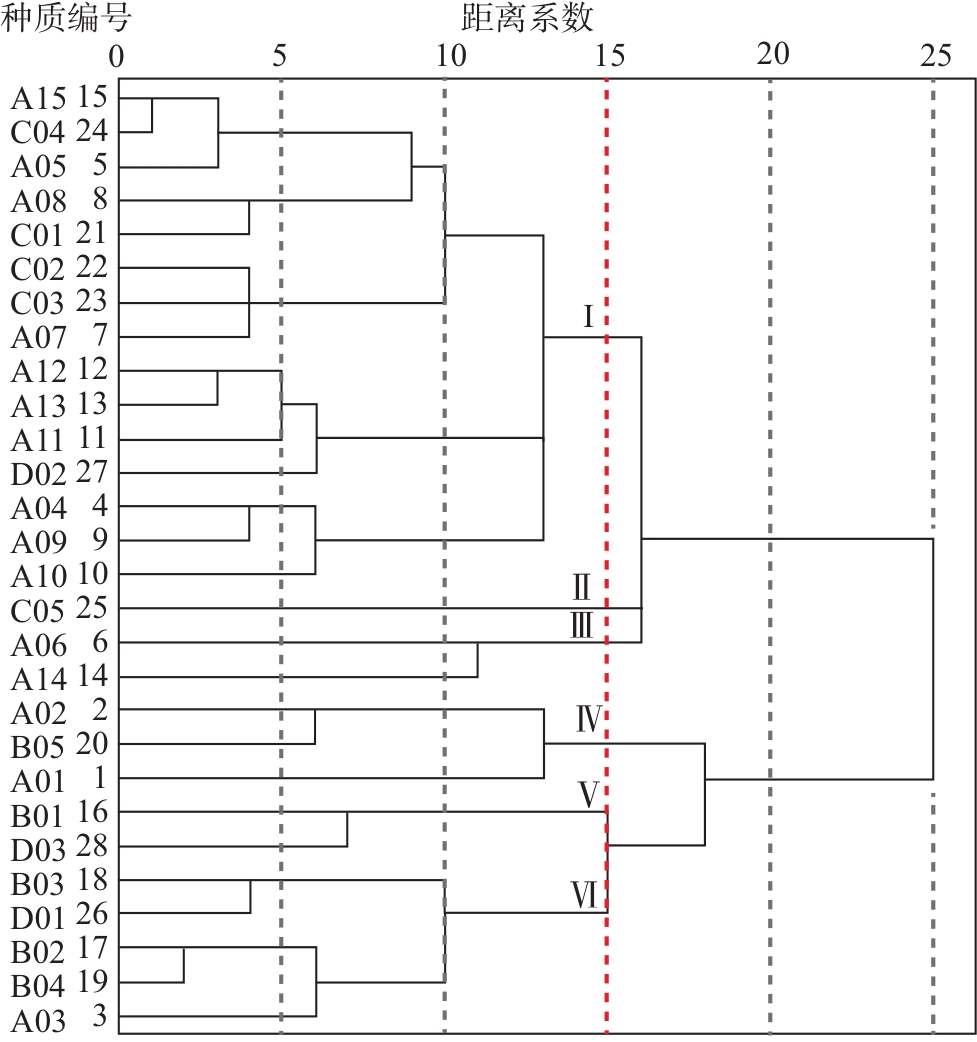
Fig 1 Hierarchical diagram of Pelargonium hortorum germplasm resources
| 类群 | 株高/m | 茎粗/mm | 冠幅/cm | 叶片数 | 分枝数 | 叶片宽/cm | SPAD值 | 花朵数 | 花梗长/cm |
|---|---|---|---|---|---|---|---|---|---|
| Ⅰ | 10.83 | 10.85 | 25.26 | 24.18 | 3.31 | 10.52 | 42.02 | 7.00 | 15.91 |
| Ⅱ | 10.33 | 12.00 | 27.07 | 16.00 | 2.67 | 11.60 | 44.40 | 5.33 | 19.57 |
| Ⅲ | 13.10 | 11.73 | 26.25 | 20.50 | 3.50 | 11.48 | 39.88 | 9.67 | 19.40 |
| Ⅳ | 10.53 | 9.39 | 19.66 | 20.67 | 2.56 | 8.31 | 45.63 | 4.67 | 15.21 |
| Ⅴ | 10.67 | 8.68 | 21.18 | 30.67 | 3.00 | 7.50 | 44.63 | 8.17 | 11.40 |
| Ⅵ | 9.18 | 9.51 | 21.05 | 22.87 | 2.67 | 9.70 | 45.89 | 11.00 | 13.14 |
Table 6 Agronomic traits of different variety groups
| 类群 | 株高/m | 茎粗/mm | 冠幅/cm | 叶片数 | 分枝数 | 叶片宽/cm | SPAD值 | 花朵数 | 花梗长/cm |
|---|---|---|---|---|---|---|---|---|---|
| Ⅰ | 10.83 | 10.85 | 25.26 | 24.18 | 3.31 | 10.52 | 42.02 | 7.00 | 15.91 |
| Ⅱ | 10.33 | 12.00 | 27.07 | 16.00 | 2.67 | 11.60 | 44.40 | 5.33 | 19.57 |
| Ⅲ | 13.10 | 11.73 | 26.25 | 20.50 | 3.50 | 11.48 | 39.88 | 9.67 | 19.40 |
| Ⅳ | 10.53 | 9.39 | 19.66 | 20.67 | 2.56 | 8.31 | 45.63 | 4.67 | 15.21 |
| Ⅴ | 10.67 | 8.68 | 21.18 | 30.67 | 3.00 | 7.50 | 44.63 | 8.17 | 11.40 |
| Ⅵ | 9.18 | 9.51 | 21.05 | 22.87 | 2.67 | 9.70 | 45.89 | 11.00 | 13.14 |
| [1] | 闫颖. 天竺葵红色素提取及在压花保色中应用的研究[D]. 哈尔滨:东北林业大学,2014. |
| [2] | 吴逊. 天竺葵对土壤重金属Cd吸收效果研究[D]. 合肥:安徽农业大学,2020. |
| [3] | 余树勋. 天竺葵家族的分类[J]. 中国花卉盆景,1998(7):18. |
| [4] | 林鑫,潘玉兴,刘洪珠. 盆花天竺葵的栽培技术[J]. 北京农业,2008(19):12-13. |
| [5] | 李懿,胡尧,余列. 汶川地区60个天竺葵品种引种栽培实验[J]. 福建农业,2014(10):96. |
| [6] | 朱佳敏,顾珂如,赵琳静,等. 天竺葵属植物挥发性成分和生物活性的研究进展[J]. 食品与发酵工业,2023,49(15):326-335. |
| [7] | El-Wahab M A A, Toaima W I M, Hamed E S. Effect of different planting locations in Egypt on volatile oil of geranium(Pelargonium graveolens L.)plant[J]. Journal of Basic and Applied Research,2016,2(4):522-533. |
| [8] | 刘福艳,杨润霞,郑杨崔吉,等. 玫瑰天竺葵挥发油对樱桃番茄灰霉病菌的抑菌活性[J]. 食品工业科技,2025,46(2):143-151. |
| [9] | 王庆,刘东炫,刘安成,等. 西安地区天竺葵引种栽培技术研究[J]. 陕西农业科学,2018,64(1):27-29. |
| [10] | 马明睿. 崇明土地利用与景观格局动态分析及生态系统健康评价[D]. 上海:华东师范大学,2013. |
| [11] | 谢芳杰,胡锦凤,王欣茹,等. 不同品种香菜农艺性状多样性分析[J]. 四川农业大学学报,2025,43(2):278-285. |
| [1] | YAO Zhuping, LIU Chenxu, CHENG Yuan, WAN Hongjian, WANG Rongqing, RUAN Meiying, ZHOU Guozhi, LI Zhimiao, YE Qingjing. Comparison and screening of agronomic traits of 13 medium-sized fruit tomato varieties in Cixi region [J]. Journal of Zhejiang Agricultural Sciences, 2026, 67(9): 2168-2171. |
| [2] | HE Jie, ZHANG Juefeng, LI Fang, YU Kaili, LI Linhan, WANG Jia, ZHONG Haiying. Effects of different fertilizer treatments on Pomacea canaliculata and Oryza sativa [J]. Journal of Zhejiang Agricultural Sciences, 2026, 67(9): 2250-2254. |
| [3] | WU Yifan. Research progress on virus elimination and long-term preservation of tissue-cultured sweet potato plantlets [J]. Journal of Zhejiang Agricultural Sciences, 2026, 67(8): 2080-2085. |
| [4] | WANG Wenjia, FENG Yanyu, WANG Wenjing, ZHU Ze, ZHOU Yujie. Analysis of new double-cropping rice varieties demonstration trials in Zhuji City,Zhejiang Province [J]. Journal of Zhejiang Agricultural Sciences, 2026, 67(7): 1592-1596. |
| [5] | KANG Miaomiao, FENG Jiachun, XIA Yunxiang, GE Yong, YANG Yonghua, ZHANG Guifang. Evaluation of disease resistance and screening of excellent germplasm resources of wheat varieties approved in Anhui Province from 2019 to 2024 [J]. Journal of Zhejiang Agricultural Sciences, 2026, 67(7): 1642-1648. |
| [6] | GAO Jianmiao, ZHANG He, LU Jiujin, FU Liqing, XUE Zhankui. Comparative trial of 11 rapeseed varieties under late sowing conditions in Jinhua [J]. Journal of Zhejiang Agricultural Sciences, 2026, 67(7): 1680-1684. |
| [7] | YING Jianping, MAO Wenlong, SHEN Jianxun, CHEN Mingxiang, CHU Sijie, LIU Tao, LIU Yu. Evaluation and screening of 48 rapeseed varieties in Hangzhou region [J]. Journal of Zhejiang Agricultural Sciences, 2026, 67(7): 1685-1691. |
| [8] | WEI Yuhong, FAN Jinghua, JIN Kailing, TIAN Jiaxi, LU Xiaolu, HUANG Yun, WANG Xiaoping, CHEN Bingyan, GU Haifeng. Analysis and comprehensive evaluation of genetic diversity of netted muskmelon germplasm resources [J]. Journal of Zhejiang Agricultural Sciences, 2026, 67(7): 1718-1724. |
| [9] | YAO Songquan, QIU Fen. Comparison and evaluation of introduced rice varieties in Huzhou City [J]. Journal of Zhejiang Agricultural Sciences, 2026, 67(6): 1434-1437. |
| [10] | JIANG Chun, LYU Xun, NING Yang, LIU Guoxiang, LI Xueshan, WANG Xueying, ZHU Qifa, ZHOU Huina, WANG Jun, ZHANG Xingwei. Analysis of agronomic traits and metabolite differences among different cigar tobacco varieties [J]. Journal of Zhejiang Agricultural Sciences, 2026, 67(6): 1454-1461. |
| [11] | JIANG Zhihan, YAO Jia, GU Xinyue, SUN Chongbo, XU Pei, KE Xubo. Advances in germplasm resources and breeding of orchid [J]. Journal of Zhejiang Agricultural Sciences, 2026, 67(6): 1573-1580. |
| [12] | FU Hongfei, GUO Saisai, NIE Zhixing, ZHENG Jirong. Effect of increased potassium application rates on growth and nutrient contents in greenhouse-cultivated pepper [J]. Journal of Zhejiang Agricultural Sciences, 2026, 67(5): 1112-1116. |
| [13] | GU Xinrong, FENG Lulu, XU Yaohui, WANG Manman, ZHANG Huimin, YAN Honglang, WANG Kang. Diversity analysis of melon germplasm resources based on seedling traits [J]. Journal of Zhejiang Agricultural Sciences, 2026, 67(5): 1146-1150. |
| [14] | QUAN Xinhua, WANG Ruisen, SHEN Meng, YUAN Ye, YAO Xiangtan. Comprehensive evaluation of agronomic traits and nutritional quality in 15 non-heading Chinese cabbage varieties [J]. Journal of Zhejiang Agricultural Sciences, 2026, 67(5): 1180-1186. |
| [15] | LI Jiaxin, ZHAO Yanting, WANG Longda, LI Dong, HU Qizan. Comparison and screening of bolting⁃resistant fast⁃growing Chinese cabbage varieties [J]. Journal of Zhejiang Agricultural Sciences, 2026, 67(5): 1187-1192. |
| Viewed | ||||||
|
Full text |
|
|||||
|
Abstract |
|
|||||
