
Journal of Zhejiang Agricultural Sciences ›› 2026, Vol. 67 ›› Issue (6): 1543-1550.DOI: 10.16178/j.issn.0528-9017.20250911
Previous Articles Next Articles
BAI Peixian( ), SHI Daliang, AO Cun, ZHAO Yun, CUI Hongchun()
Received:2025-12-11
Online:2026-06-11
Published:2026-06-12
Contact:
CUI Hongchun
CLC Number:
BAI Peixian, SHI Daliang, AO Cun, ZHAO Yun, CUI Hongchun. Process optimization for quality improvement of black tea from machine-harvested leaves[J]. Journal of Zhejiang Agricultural Sciences, 2026, 67(6): 1543-1550.
Add to citation manager EndNote|Ris|BibTeX
URL: http://www.zjnykx.cn/EN/10.16178/j.issn.0528-9017.20250911
| 处理 | 萎凋 | 汤色 | 香气 | 滋味 | 总分 | |||
|---|---|---|---|---|---|---|---|---|
| 评语 | 评分 | 评语 | 评分 | 评语 | 评分 | |||
| 细切 | 自然萎凋 | 红较亮 | 89.0 | 甜香较浓纯,稍带粗 | 89.0 | 较甜醇 | 89.0 | 89.00 |
| 不切(对照) | 自然萎凋 | 深橙黄较亮 | 87.0 | 较纯正,有甜香 | 87.0 | 较醇和,带甜 | 86.5 | 86.75 |
| 细切 | 摇青处理 | 红亮 | 90.0 | 甜香较纯正 | 89.5 | 较甜醇,较浓 | 89.5 | 89.58 |
| 不切(对照) | 摇青处理 | 深橙黄较亮 | 87.0 | 较纯正,有甜香 | 86.0 | 较醇和,稍平淡 | 86.0 | 86.15 |
Table 1 Sensory evaluation results of strip-shaped and finely cut black tea
| 处理 | 萎凋 | 汤色 | 香气 | 滋味 | 总分 | |||
|---|---|---|---|---|---|---|---|---|
| 评语 | 评分 | 评语 | 评分 | 评语 | 评分 | |||
| 细切 | 自然萎凋 | 红较亮 | 89.0 | 甜香较浓纯,稍带粗 | 89.0 | 较甜醇 | 89.0 | 89.00 |
| 不切(对照) | 自然萎凋 | 深橙黄较亮 | 87.0 | 较纯正,有甜香 | 87.0 | 较醇和,带甜 | 86.5 | 86.75 |
| 细切 | 摇青处理 | 红亮 | 90.0 | 甜香较纯正 | 89.5 | 较甜醇,较浓 | 89.5 | 89.58 |
| 不切(对照) | 摇青处理 | 深橙黄较亮 | 87.0 | 较纯正,有甜香 | 86.0 | 较醇和,稍平淡 | 86.0 | 86.15 |
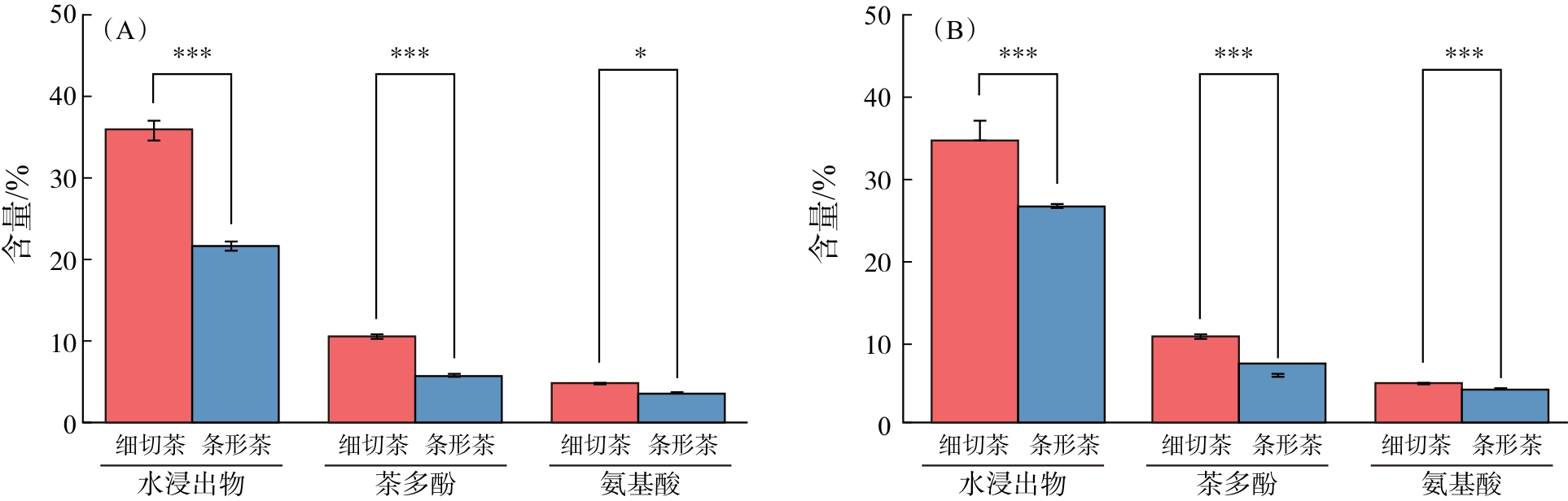
Fig. 1 Contents of key biochemical components in strip-shaped and finely cut black tea
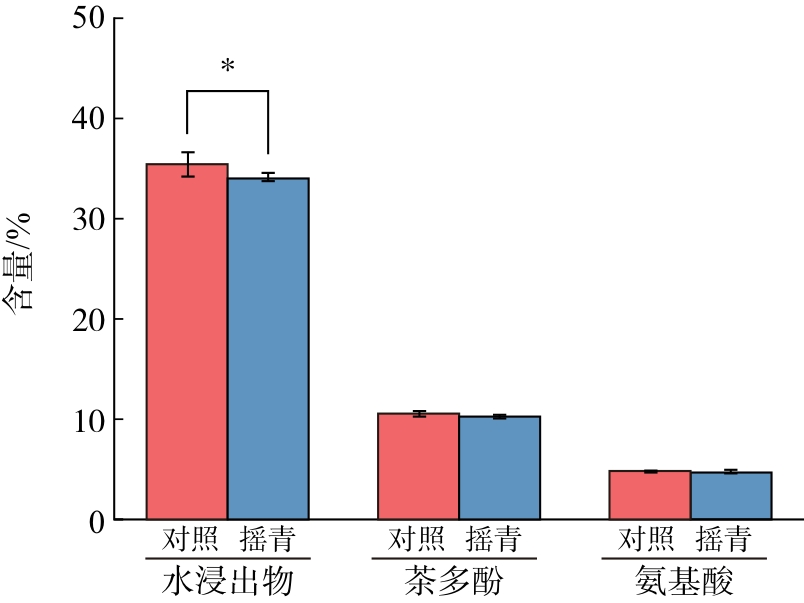
Fig.2 Contents of key biochemical components in finely cut black tea under different withering methods
| 揉捻时间/h | 汤色 | 香气 | 滋味 | 总分 | |||
|---|---|---|---|---|---|---|---|
| 评语 | 评分 | 评语 | 评分 | 评语 | 评分 | ||
| 1.0 | 红较亮 | 89.5 | 甜香较浓 | 88.0 | 较浓,较甜醇,略涩 | 89.0 | 88.73 |
| 1.5 | 红亮 | 90.0 | 甜香较纯正 | 89.5 | 较甜醇,较浓 | 89.5 | 89.58 |
| 2.0 | 红较亮 | 88.0 | 甜香尚浓纯,稍闷 | 87.5 | 较醇和,带粗涩 | 86.0 | 86.83 |
Table 2 Sensory evaluation results of finely cut black tea samples under different rolling durations
| 揉捻时间/h | 汤色 | 香气 | 滋味 | 总分 | |||
|---|---|---|---|---|---|---|---|
| 评语 | 评分 | 评语 | 评分 | 评语 | 评分 | ||
| 1.0 | 红较亮 | 89.5 | 甜香较浓 | 88.0 | 较浓,较甜醇,略涩 | 89.0 | 88.73 |
| 1.5 | 红亮 | 90.0 | 甜香较纯正 | 89.5 | 较甜醇,较浓 | 89.5 | 89.58 |
| 2.0 | 红较亮 | 88.0 | 甜香尚浓纯,稍闷 | 87.5 | 较醇和,带粗涩 | 86.0 | 86.83 |
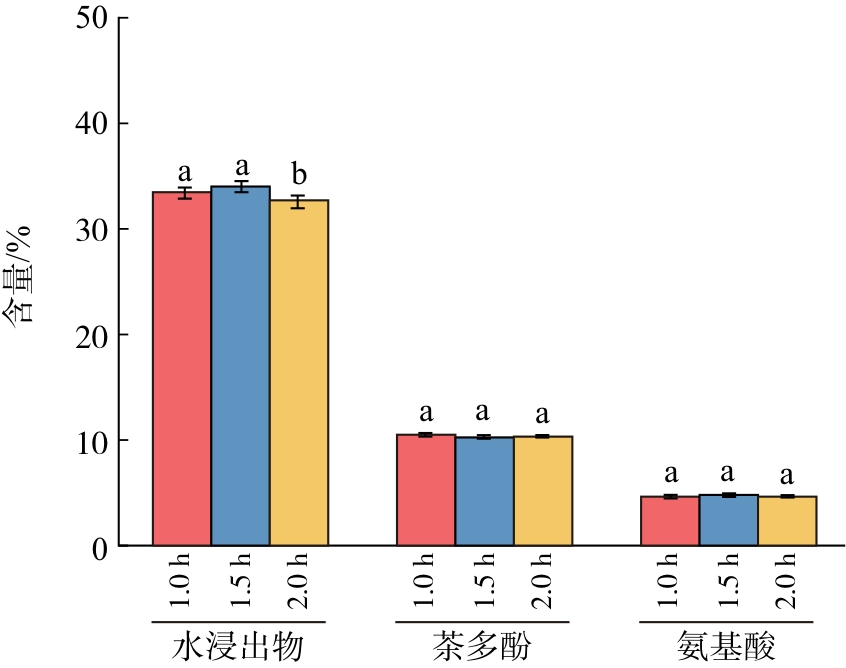
Fig. 3 Contents of key biochemical components in finely cut black tea under different rolling durations
| 处理条件 | 汤色 | 香气 | 滋味 | 总分 | ||||
|---|---|---|---|---|---|---|---|---|
| 温度/℃ | 时间/h | 评语 | 评分 | 评语 | 评分 | 评语 | 评分 | |
| 30 | 3.0 | 红亮 | 91.0 | 甜香较浓纯 | 90.5 | 较甜醇,较浓 | 89.5 | 90.08 |
| 3.5 | 红亮 | 90.0 | 甜香较纯正 | 89.5 | 较甜醇,较浓 | 89.5 | 89.58 | |
| 4.0 | 红较亮 | 89.0 | 尚纯正,烟气重 | 80.0 | 尚醇,有烟味 | 79.0 | 80.85 | |
| 4.5 | 红亮 | 90.5 | 较纯正,有甜香,稍烟 | 85.0 | 较醇和,稍烟,稍涩 | 83.0 | 84.83 | |
| 5.0 | 红较亮 | 88.5 | 尚纯正,有烟气 | 80.0 | 尚醇,有烟味 | 81.0 | 81.78 | |
| 35 | 3.0 | 较红较亮 | 89.0 | 甜香尚浓 | 87.5 | 较醇和,稍粗涩 | 85.0 | 86.48 |
Table 3 Sensory evaluation results of finely cut black tea samples under different fermentation conditions
| 处理条件 | 汤色 | 香气 | 滋味 | 总分 | ||||
|---|---|---|---|---|---|---|---|---|
| 温度/℃ | 时间/h | 评语 | 评分 | 评语 | 评分 | 评语 | 评分 | |
| 30 | 3.0 | 红亮 | 91.0 | 甜香较浓纯 | 90.5 | 较甜醇,较浓 | 89.5 | 90.08 |
| 3.5 | 红亮 | 90.0 | 甜香较纯正 | 89.5 | 较甜醇,较浓 | 89.5 | 89.58 | |
| 4.0 | 红较亮 | 89.0 | 尚纯正,烟气重 | 80.0 | 尚醇,有烟味 | 79.0 | 80.85 | |
| 4.5 | 红亮 | 90.5 | 较纯正,有甜香,稍烟 | 85.0 | 较醇和,稍烟,稍涩 | 83.0 | 84.83 | |
| 5.0 | 红较亮 | 88.5 | 尚纯正,有烟气 | 80.0 | 尚醇,有烟味 | 81.0 | 81.78 | |
| 35 | 3.0 | 较红较亮 | 89.0 | 甜香尚浓 | 87.5 | 较醇和,稍粗涩 | 85.0 | 86.48 |
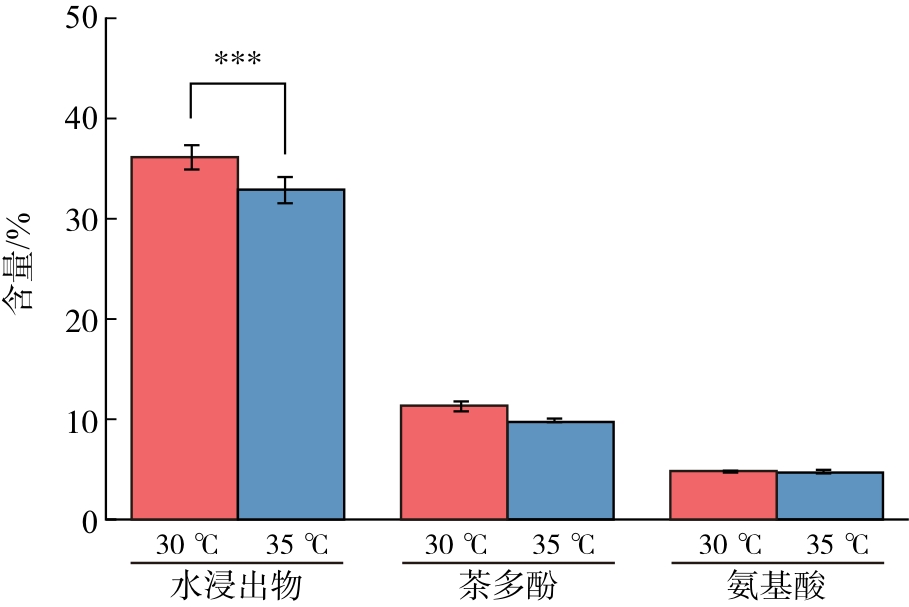
Fig. 4 Contents of key biochemical components in finely cut black tea under different fermentation temperatures
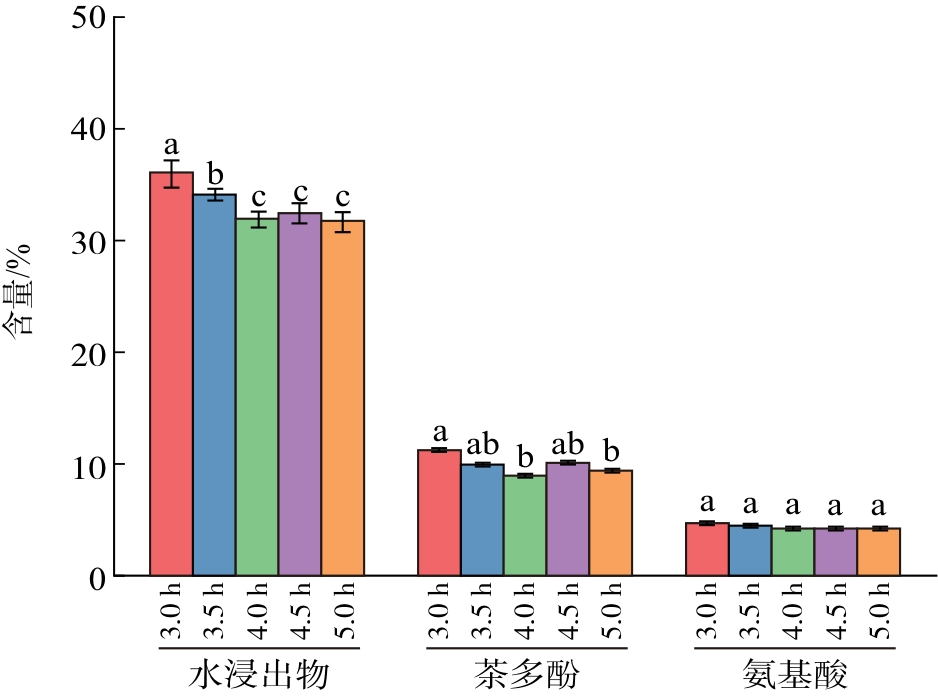
Fig.5 Contents of key biochemical components in finely cut black tea under different fermentation durations
| 干燥方式 | 汤色 | 香气 | 滋味 | 总分 | |||
|---|---|---|---|---|---|---|---|
| 评语 | 评分 | 评语 | 评分 | 评语 | 评分 | ||
| 热风 | 红亮 | 90.0 | 甜香较纯正 | 89.5 | 较甜醇,较浓 | 89.5 | 89.58 |
| 电焙 | 红亮 | 90.5 | 较浓纯,有甜香 | 87.0 | 较醇和,较浓,略粗 | 86.5 | 87.28 |
| 炭焙 | 红亮 | 91.5 | 甜香较浓纯 | 91.0 | 较浓,较甜醇 | 90.0 | 90.58 |
Table 4 Sensory evaluation results of finely cut black tea samples under different drying methods
| 干燥方式 | 汤色 | 香气 | 滋味 | 总分 | |||
|---|---|---|---|---|---|---|---|
| 评语 | 评分 | 评语 | 评分 | 评语 | 评分 | ||
| 热风 | 红亮 | 90.0 | 甜香较纯正 | 89.5 | 较甜醇,较浓 | 89.5 | 89.58 |
| 电焙 | 红亮 | 90.5 | 较浓纯,有甜香 | 87.0 | 较醇和,较浓,略粗 | 86.5 | 87.28 |
| 炭焙 | 红亮 | 91.5 | 甜香较浓纯 | 91.0 | 较浓,较甜醇 | 90.0 | 90.58 |
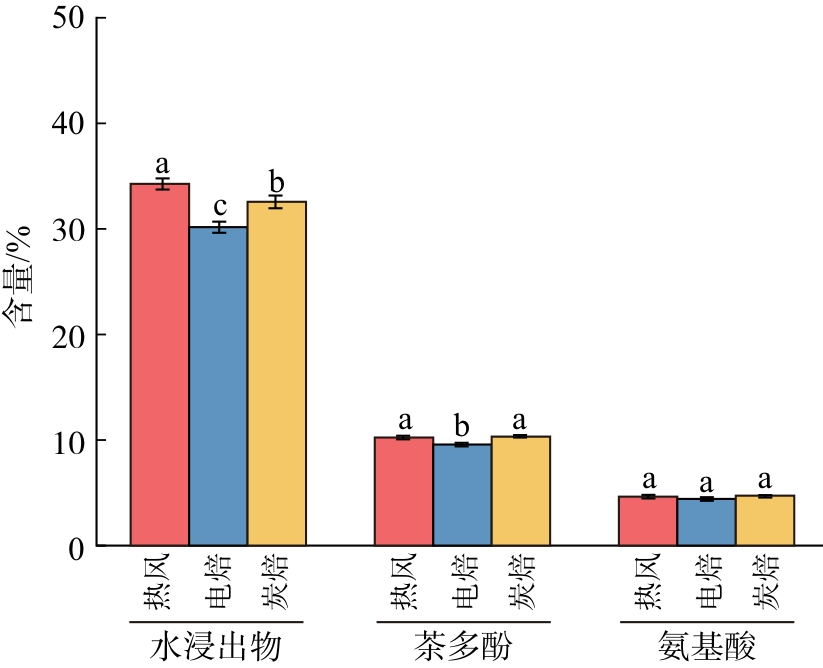
Fig.6 Contents of key biochemical components in finely cut black tea under different drying methods
| [1] | 罗列万,冯海强,胡双. 浙江省茶产业“十三五”回顾与“十四五”展望[J]. 中国茶叶加工,2021(1):6-12. |
| LUO L W, FENG H Q, HU S. “Thirteenth Five-Year Plan” review and “fourteenth Five-Year Plan” prospect of Zhejiang tea industry[J]. China Tea Processing,2021(1):6-12. | |
| [2] | 蒋文龙. 茶产业转型升级势在必行[N]. 农民日报,2014-04-18(1). |
| [3] | 王奕,杨娟,杨海滨,等. 基于实地与网络调查的夏秋茶产业发展现状及建议[J]. 南方农业,2023,17(13):194-199. |
| WANG Y, YANG J, YANG H B,et al. Development status and suggestions of summer and autumn tea industry based on offline and online surveys[J]. South China Agriculture,2023,17(13):194-199. | |
| [4] | 王宇,许有忠. 机采与手工采相结合是茶叶采摘技术发展的必然趋势[J]. 农业开发与装备,2017(2):127-128. |
| WANG Y, XU Y Z. The combination of mechanical picking and manual picking is the inevitable trend of tea picking technology development[J]. Agricultural Development & Equipments,2017(2):127-128. | |
| [5] | 张慧. 茶叶遮荫机采试验的栽培生理及制茶品质效应[D]. 雅安:四川农业大学,2019. |
| ZHANG H. Experiment of cultivation physiology and finished tea quality of machine-plucking shading tea[D]. Ya'an:Sichuan Agricultural University,2019. | |
| [6] | 王阔飞. 摇青工艺对红茶品质影响研究[D]. 长沙,湖南农业大学,2024. |
| WANG K F. Study on the effect of the quality of shaking processing on black tea[D]. Changsha:Hunan Agricultural University,2024. | |
| [7] | 缪有成,谭吉慧,刘伟,等. 摇青、发酵工艺对汝城白毛茶加工夏季红茶品质的影响[J]. 食品研究与开发,2022,43(21):31-39. |
| MIAO Y C, TAN J H, LIU W,et al. Effects of shaking and fermentation on the quality of summer black tea of Rucheng Baimaocha[J]. Food Research and Development,2022,43(21):31-39. | |
| [8] | 张娅楠. 黄金茶1号夏秋红茶加工技术及香味品质形成机理研究[D]. 长沙:湖南农业大学,2019. |
| ZHANG Y N. Study on the processing technology and forming mechanism of aroma and taste quality of black tea of Hunanjin 1 tea made in summer and autumn[D]. Changsha:Hunan Agricultural University,2019. | |
| [9] | 吴仕敏. 不同揉捻工艺对工夫红茶风味品质及内质成分的影响研究[D]. 北京:中国农业科学院,2022. |
| WU S M. Study on the effect of rolling process on the flavor quality and chemical profile of Congou black tea[D]. Beijing:Chinese Academy of Agricultural Sciences,2022. | |
| [10] | 文彬晗. ‘御金香’品种红茶发酵工艺优化及其品质研究[D]. 雅安:四川农业大学,2025. |
| WEN B H. Optimization of fermentation technology and quality of ‘Yujinxiang’ black tea[D]. Ya'an:Sichuan Agricultural University,2025. | |
| [11] | 吴锐,胡南,李春芳,等. 低温发酵工艺与发酵时间对夏季径山红茶香气品质的影响[J]. 食品安全质量检测学报,2025,16(8):170-179. |
| WU R, HU N, LI C F,et al. Effects of low-temperature fermentation process and fermentation time on aromatic quality of summer-harvested Jingshan black tea[J]. Journal of Food Safety & Quality,2025,16(8):170-179. | |
| [12] | 刘亚兵,冉乾松,蒲璐璐,等. 红茶发酵影响因素及品质调控技术研究进展[J]. 食品安全质量检测学报,2024,15(1):1-9. |
| LIU Y B, RAN Q S, PU L L,et al. Research progress on influencing factors and quality control technology of black tea fermentation[J]. Journal of Food Safety & Quality,2024,15(1):1-9. | |
| [13] | 张世南. 浅析武夷岩茶烘焙加工工艺[J]. 福建茶叶,2023,45(9):31-33. |
| ZHANG S N. Analysis on the baking process of Wuyi rock tea[J]. Tea in Fujian,2023,45(9):31-33. | |
| [14] | 林章文,陈韵扬. 电焙与炭焙干燥对福鼎白茶品质的影响[J]. 中国茶叶加工,2022(2):27-32. |
| LIN Z W, CHEN Y Y. Effect of electric oven drying vs. charcoal roasting on the quality of Fuding white tea[J]. China Tea Processing,2022(2):27-32. | |
| [15] | 陈郑亮. 不同烘焙方式对白茶口味与品质的影响[J]. 福建茶叶,2025,47(5):23-25. |
| CHEN Z L. Effects of different baking methods on the taste and quality of white tea[J]. Tea in Fujian,2025,47(5):23-25. | |
| [16] | 吴全金,周喆,漆思雨,等. 炭焙和电焙白茶的关键风味物质和品质差异[J]. 食品科学,2023,44(18):259-267. |
| WU Q J, ZHOU Z, QI S Y,et al. Differences in key flavor substances and quality between charcoal-baked and electrically baked white tea[J]. Food Science,2023,44(18):259-267. |
| [1] | CHEN Tao, LI Ningning, WANG Jin, LU Zhufeng, YU Dan, LI Jiayou. Optimization of fermentation technology of honey vinegar by Gluconacetobacter xylinus [J]. Journal of Zhejiang Agricultural Sciences, 2025, 66(4): 1011-1019. |
| [2] | FANG Jinlin, JIN Ting, MAO Jisheng, YE Yong, DAI Fen. Analysis of the quality improvement and standardization implementation path of Kaihua Qingshui fish [J]. Journal of Zhejiang Agricultural Sciences, 2024, 65(6): 1282-1284. |
| [3] | QIU Xiaoying, CAO Siyu, CHEN Haodong, LIN Jie, LIANG Xiuhua. Digital analysis of the color space of strip- and spiral-shaped black tea made from Huangjinya and population resources [J]. Journal of Zhejiang Agricultural Sciences, 2024, 65(6): 1445-1450. |
| [4] | WANG Xianbo, YE Fengxiang, QUE Yingping, YE Weihua, HE Zhiping, DING Zhouhua. Optimization of processing technology of Torreya grandis grinding tea by response surface methodology [J]. Journal of Zhejiang Agricultural Sciences, 2024, 65(6): 1451-1456. |
| [5] | ZHANG Guoyun, HOU Lei, XIE Feier, JING Ying, SARENGAOWA , LIU Yao. Optimization of low alcohol passion fruit wine fermentation process by yeast lactic acid bacteria co-fermentation [J]. Journal of Zhejiang Agricultural Sciences, 2024, 65(6): 1476-1481. |
| Viewed | ||||||
|
Full text |
|
|||||
|
Abstract |
|
|||||
