Journal of Zhejiang Agricultural Sciences ›› 2026, Vol. 67 ›› Issue (9): 2211-2217.DOI: 10.16178/j.issn.0528-9017.20260260

Previous Articles     Next Articles

Physiological and biochemical responses of Clematis Midori under waterlogging stress

ZHANG Weiguo1(), ZHANG Haiying1, HUANG Aiyun2, LIN Lin3, HU Yaping3, HU Qingdi3, ZHANG Xule3, CHEN Yizeng3()   

  1. 1.Yandang Mountain Forest Farm in Yueqing City,Yueqing 325604,Zhejiang
    2.Bureau of Natural Resources and Planning in Yueqing City,Yueqing 325600,Zhejiang
    3.Wenzhou Key Laboratory of Resource Plant Innovation and Utilization,Zhejiang Institute of Subtropical Crops,Wenzhou 325005,Zhejiang
  • Received:2026-04-03 Online:2026-09-11 Published:2026-09-24
  • Contact: CHEN Yizeng

Abstract:

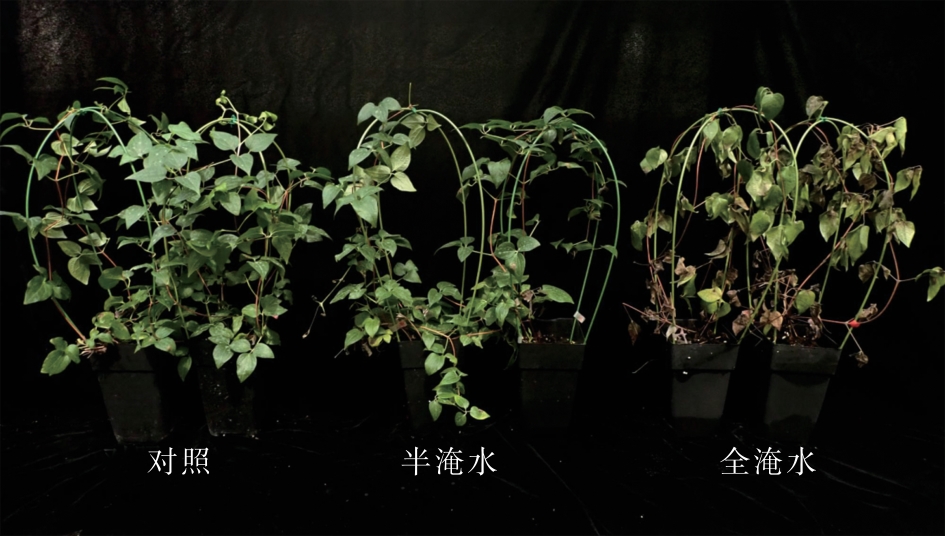
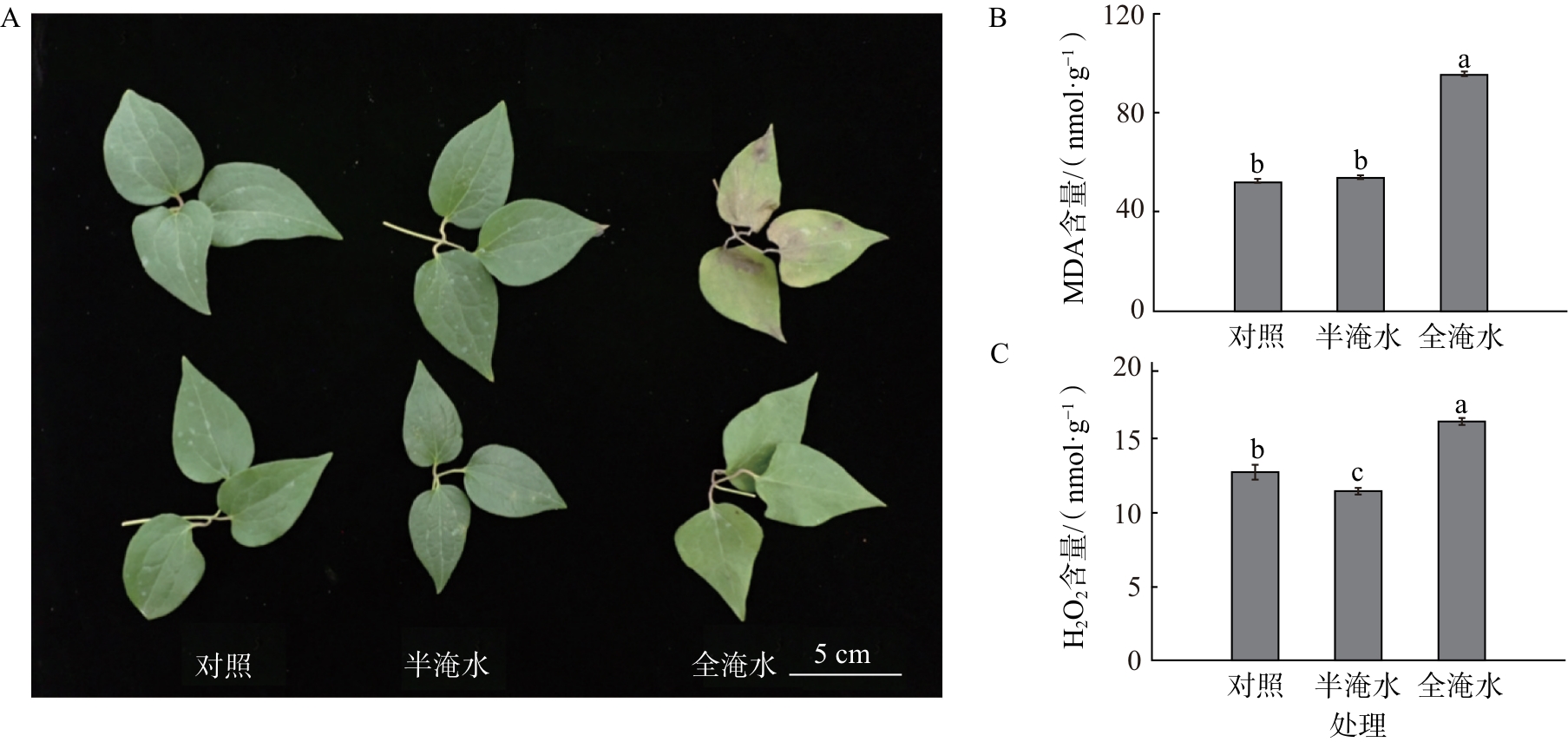
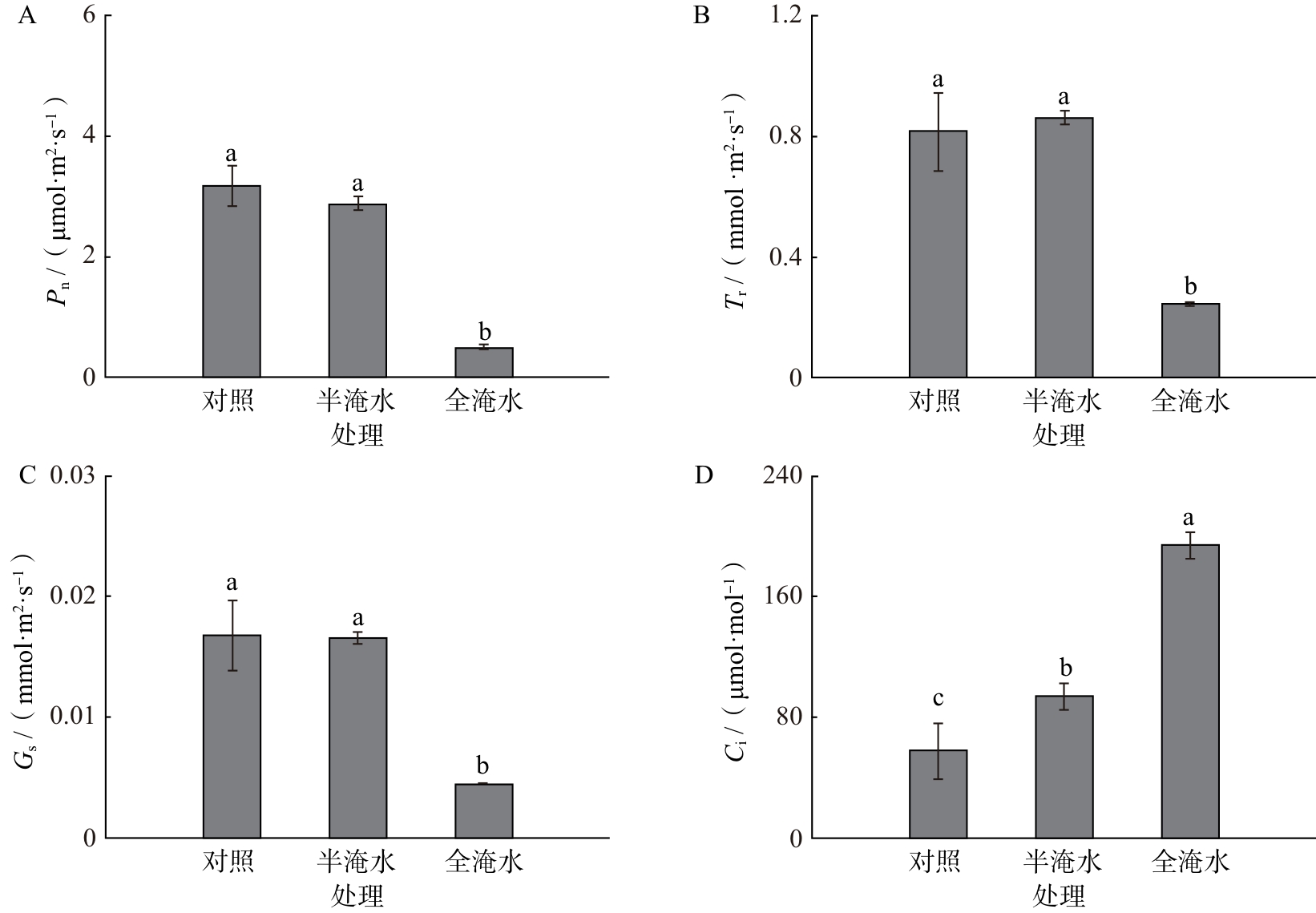
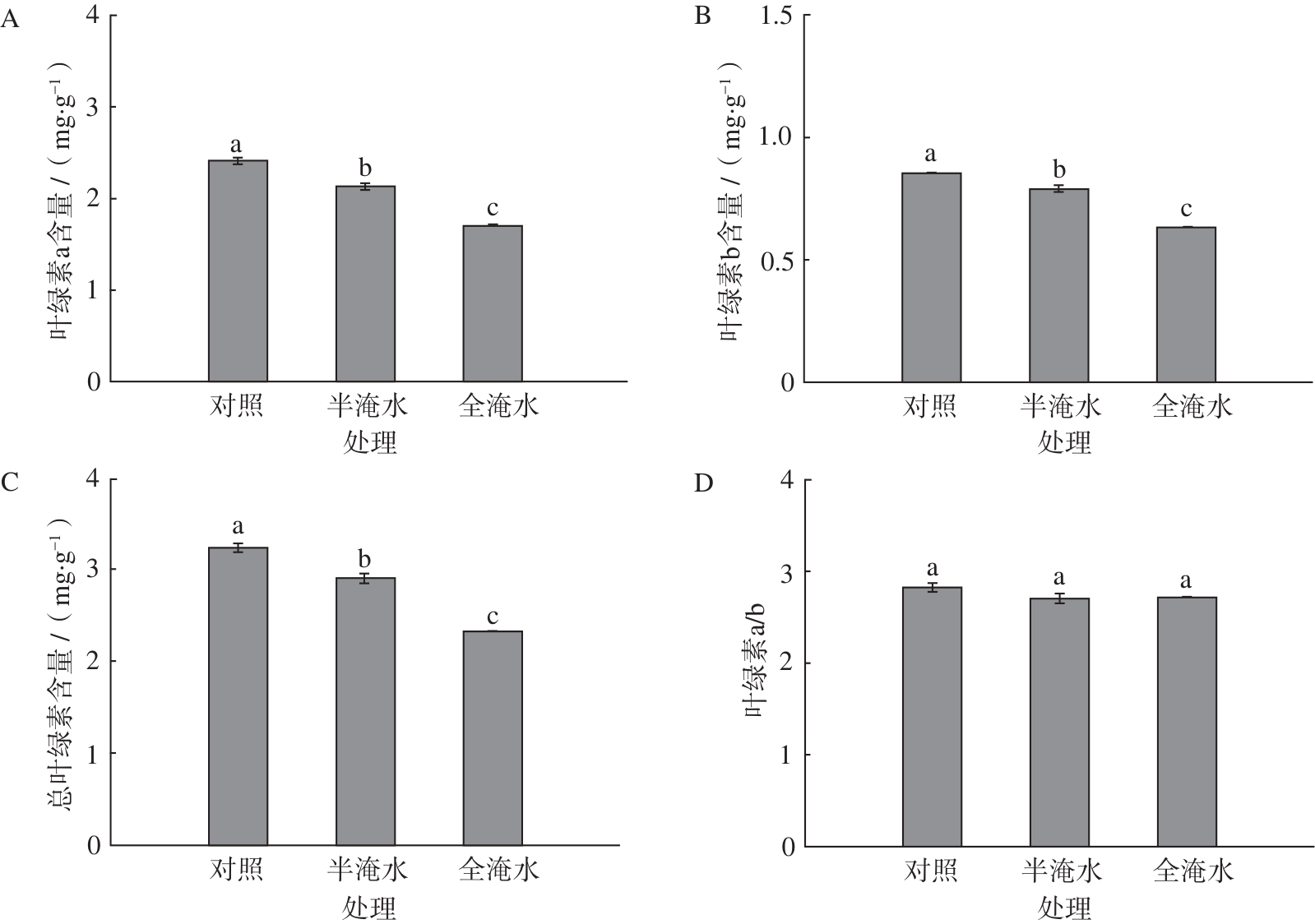
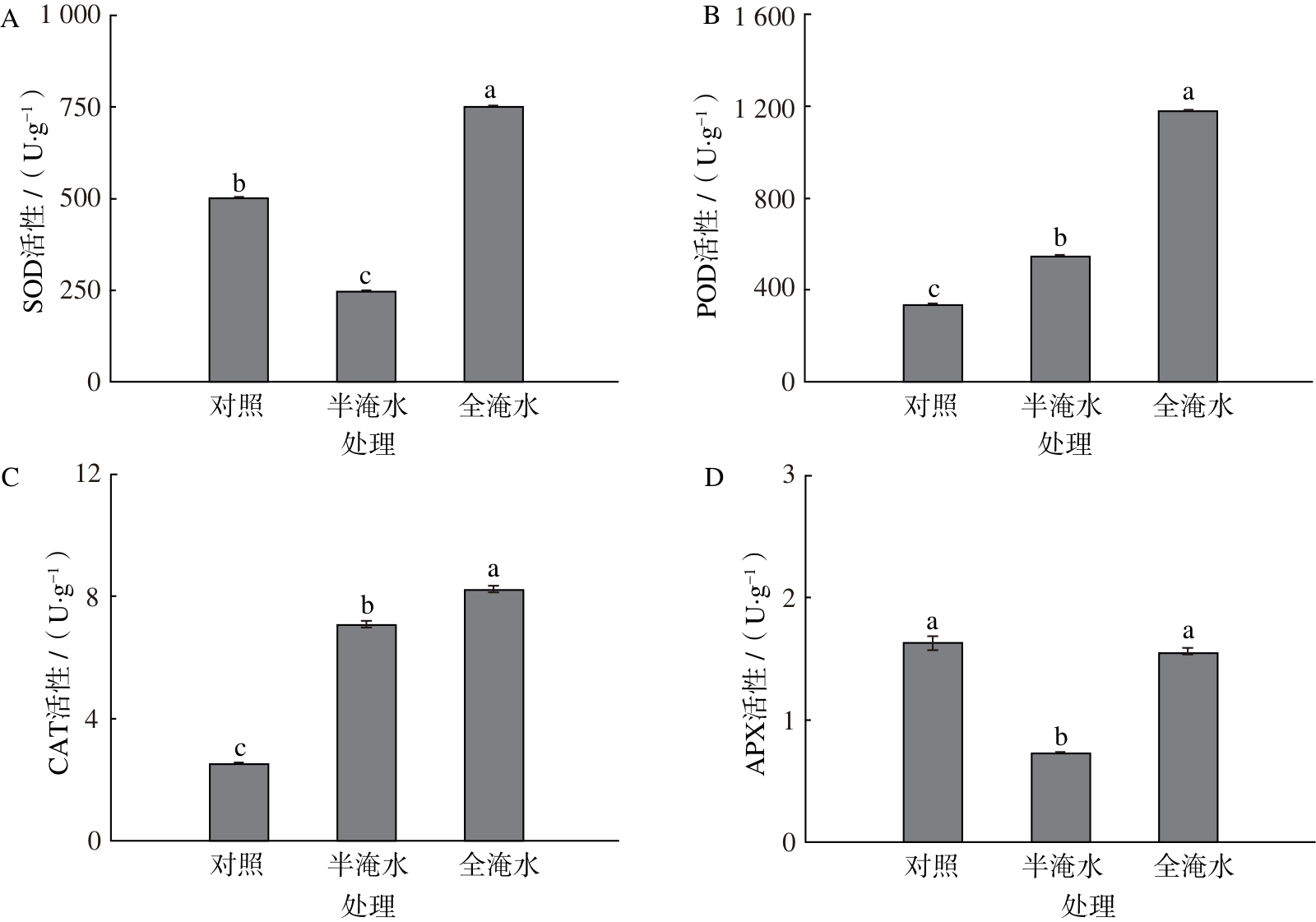
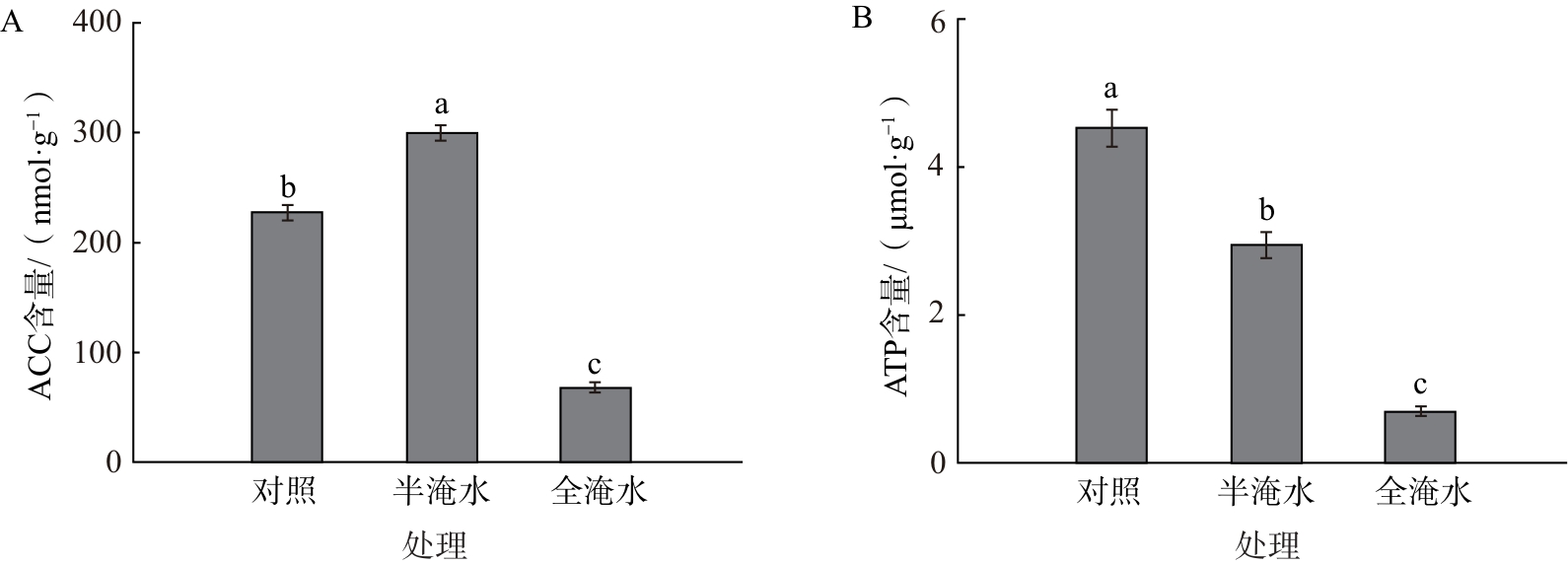
To analyze the tolerance characteristics of Clematis to waterlogging stress,this study used Clematis Midori as the experimental material and set up three treatments:control,half-waterlogging,and full-waterlogging. The growth phenotype,photosynthetic characteristics,chlorophyll content,malondialdehyde(MDA)content,antioxidant enzyme activity,and 1-aminocyclopropane-1-carboxylic acid(ACC)and ATP contents of Clematis under waterlogging stress were systematically analyzed. The results showed that full-waterlogging stress inhibited the growth of Clematis Midori,with obvious wilting and leaf abscission,compared with the control,the net photosynthetic rate significantly(p<0.05)decreased by 84.55%,total chlorophyll content significantly decreased by 28.15%,MDA content significantly increased by 53.22%,ACC content significantly decreased by 69.92%,and ATP content significantly decreased by 84.65%. Meanwhile,the activities of antioxidant enzymes such as peroxidase and catalase were significantly increased. ACC content reached the highest value under half-waterlogging stress. These results indicate that Clematis can initiate certain adaptive responses through ACC accumulation and the differential regulation of the antioxidant enzyme system under waterlogging stress. However,continuous severe waterlogging leads to a sharp decline in energy metabolism,aggravated membrane lipid peroxidation,and severe damage to the photosynthetic system,exceeding the physiological tolerance threshold of the plant and significantly inhibiting growth. These findings provide a theoretical basis for the breeding of stress-resistant varieties and cultivation management of Clematis.

Key words: Clematis, waterlogging stress, physiological response, antioxidant enzyme, photosynthetic characteristic

CLC Number: