浙江农业科学 ›› 2026, Vol. 67 ›› Issue (7): 1775-1782.DOI: 10.16178/j.issn.0528-9017.20260216

• 资源与环境 • 上一篇    下一篇

浙江省缙云县土壤有机碳对环境因子的阈值响应与协同驱动机制

吕勇杰1(), 郝瑞鑫2, 陈君红1, 徐明星3, 程敏2, 马军伟4, 吴绍华2()   

  1. 1.缙云县土肥能源和农田建设中心,浙江 缙云 321400
    2.浙江财经大学 公共管理学院,浙江 杭州 310018
    3.浙江省地质院 国土;生态修复所,浙江 杭州 310007
    4.浙江省农业科学院 环境资源与土壤肥料研究所,浙江 杭州 310021
  • 收稿日期:2026-03-25 出版日期:2026-07-11 发布日期:2026-07-27
  • 通讯作者: 吴绍华
  • 作者简介:吴绍华,E-mail:shaohuawu@126.com
    吕勇杰,从事土肥与耕地质量管理工作。E-mail:591679023@qq.com
  • 基金资助:
    国家自然科学基金(42271310);生态地质内涵界定与系统框架项目(2026W)

Threshold response and synergistic driving mechanism of soil organic carbon to environmental factors in Jinyun County,Zhejiang Province

LYU Yongjie1(), HAO Ruixin2, CHEN Junhong1, XU Mingxing3, CHENG Min2, MA Junwei4, WU Shaohua2()   

  1. 1.Soil,Fertilizer,Energy and Farmland Construction Center in Jinyun County,Jinyun 321400,Zhejiang
    2.School of;Public Administration,Zhejiang University of Finance and Economics,Hangzhou 310018,Zhejiang
    3.Institute of Land Ecological Restoration,Zhenjiang Institute of Geology,Hangzhou 310007,China
    4.Institute of Environment,Resource,Soil and Fertilizer,Zhejiang Academy of Agricultural Sciences,Hangzhou 310021,Zhejiang
  • Received:2026-03-25 Online:2026-07-11 Published:2026-07-27
  • Contact: WU Shaohua

摘要:

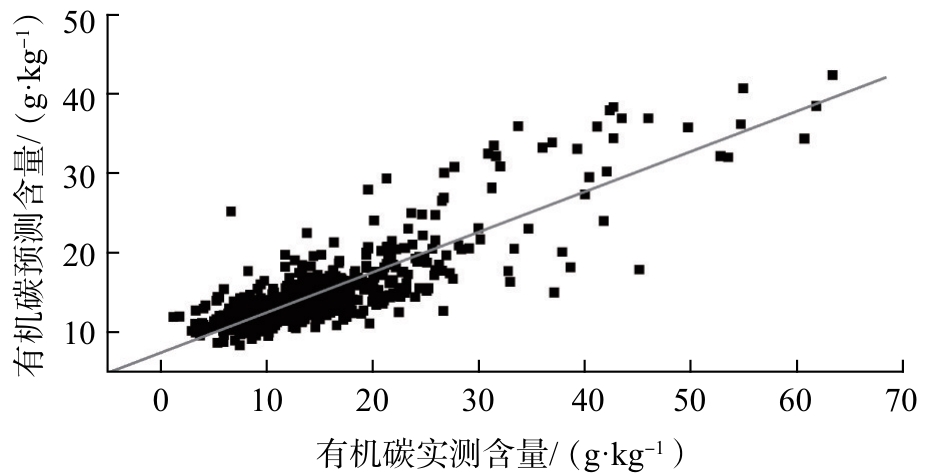
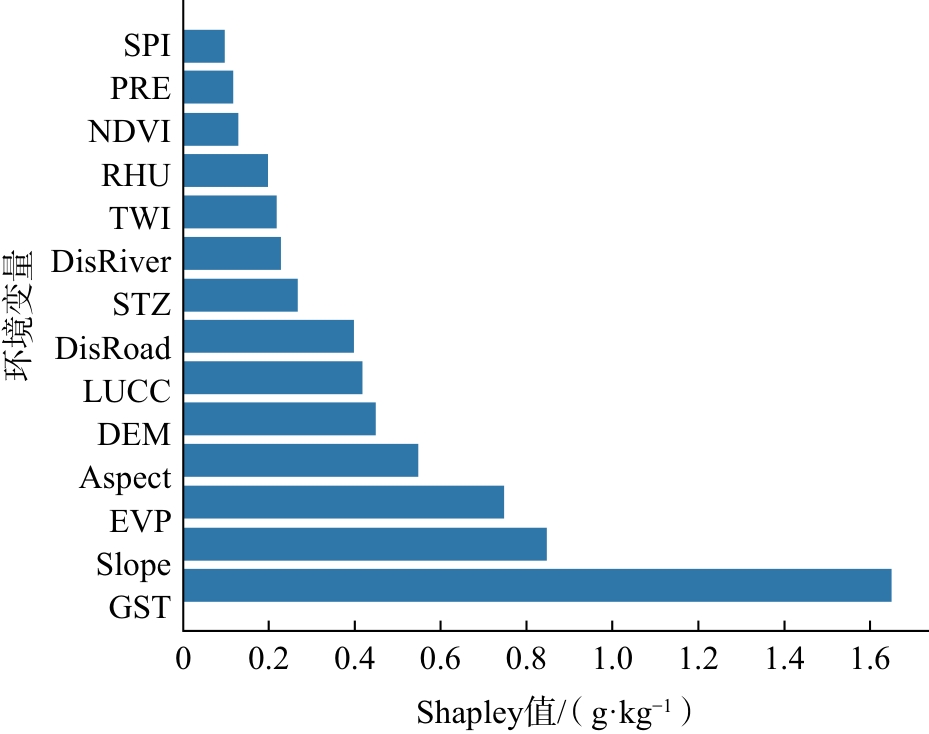
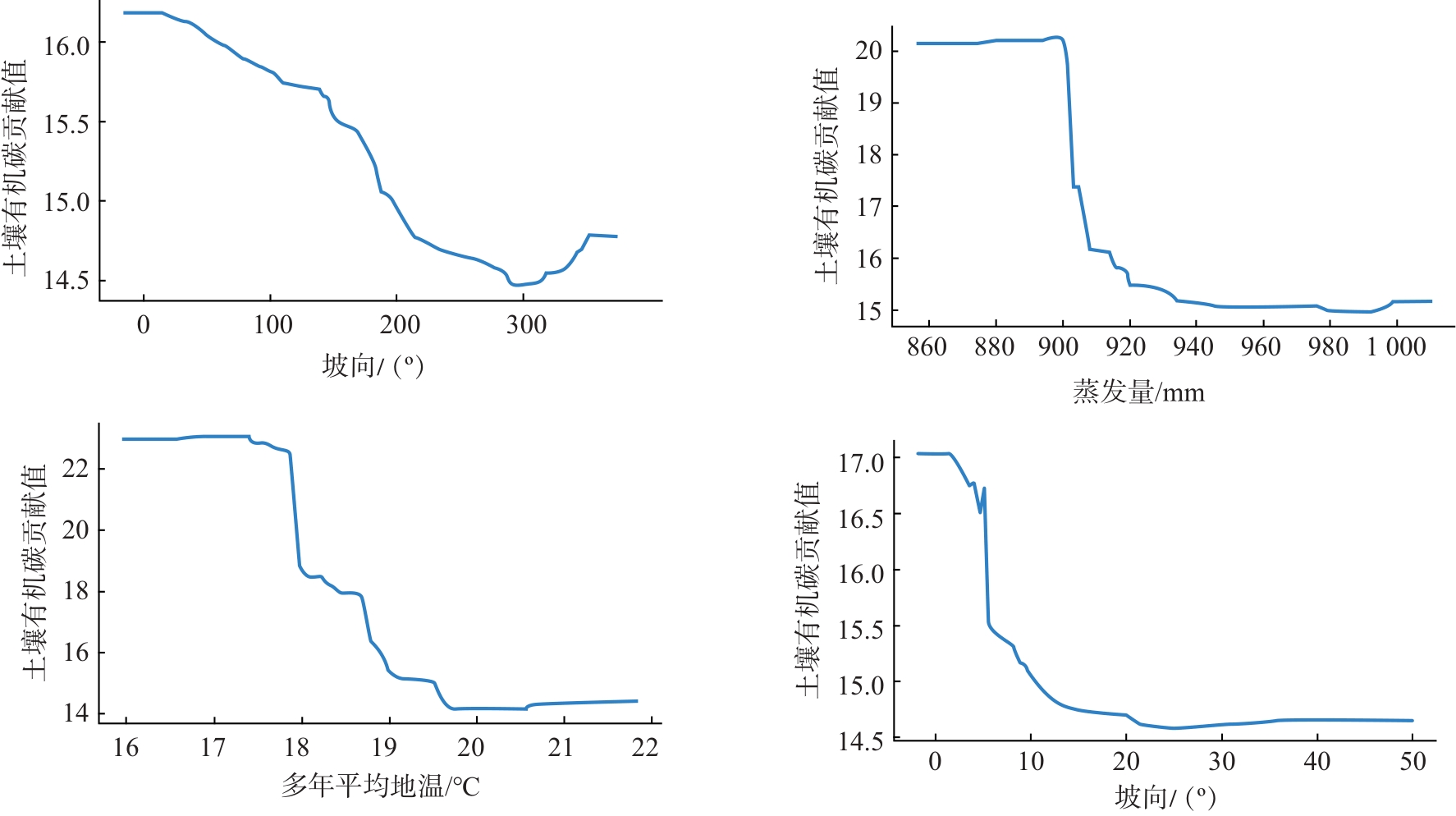
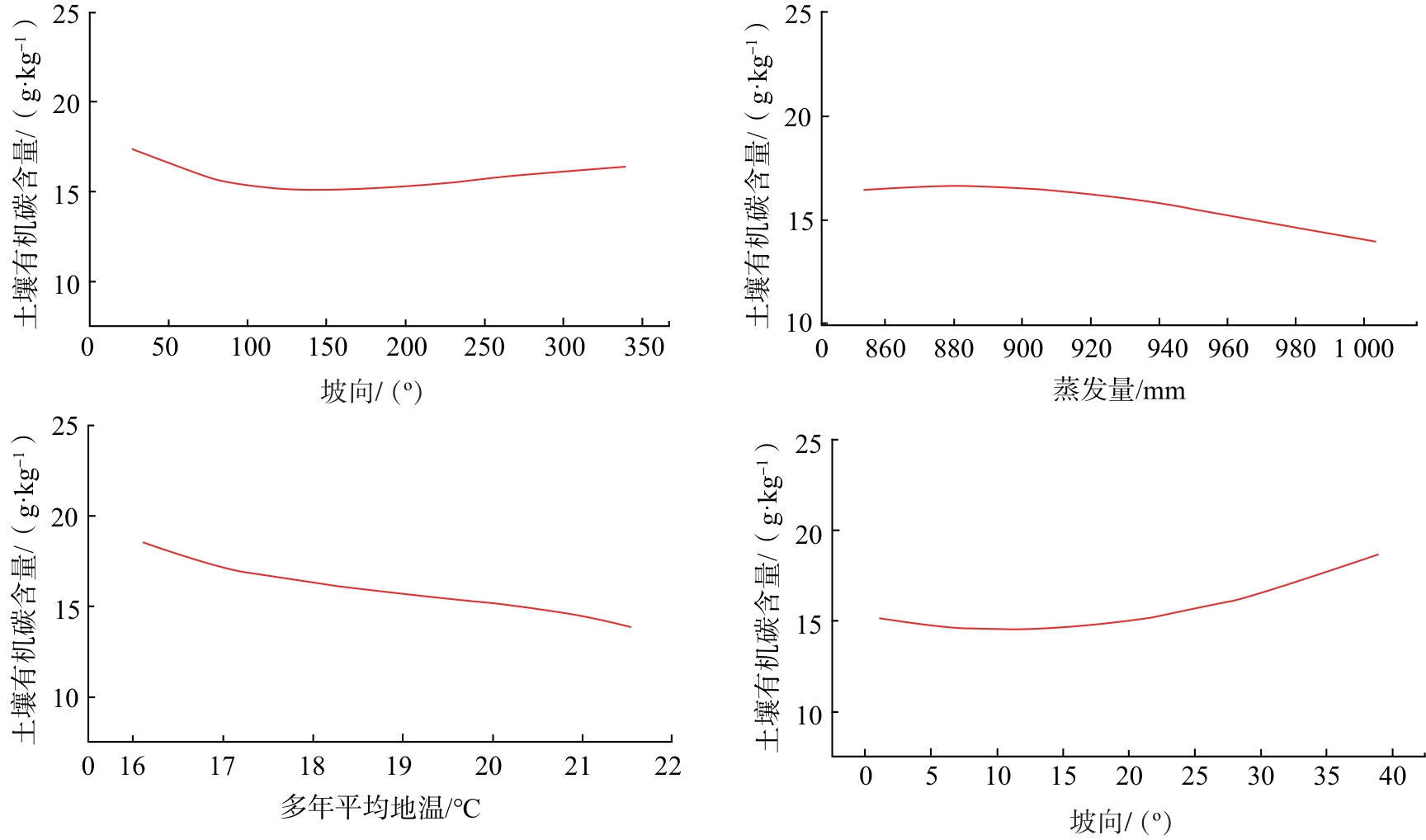
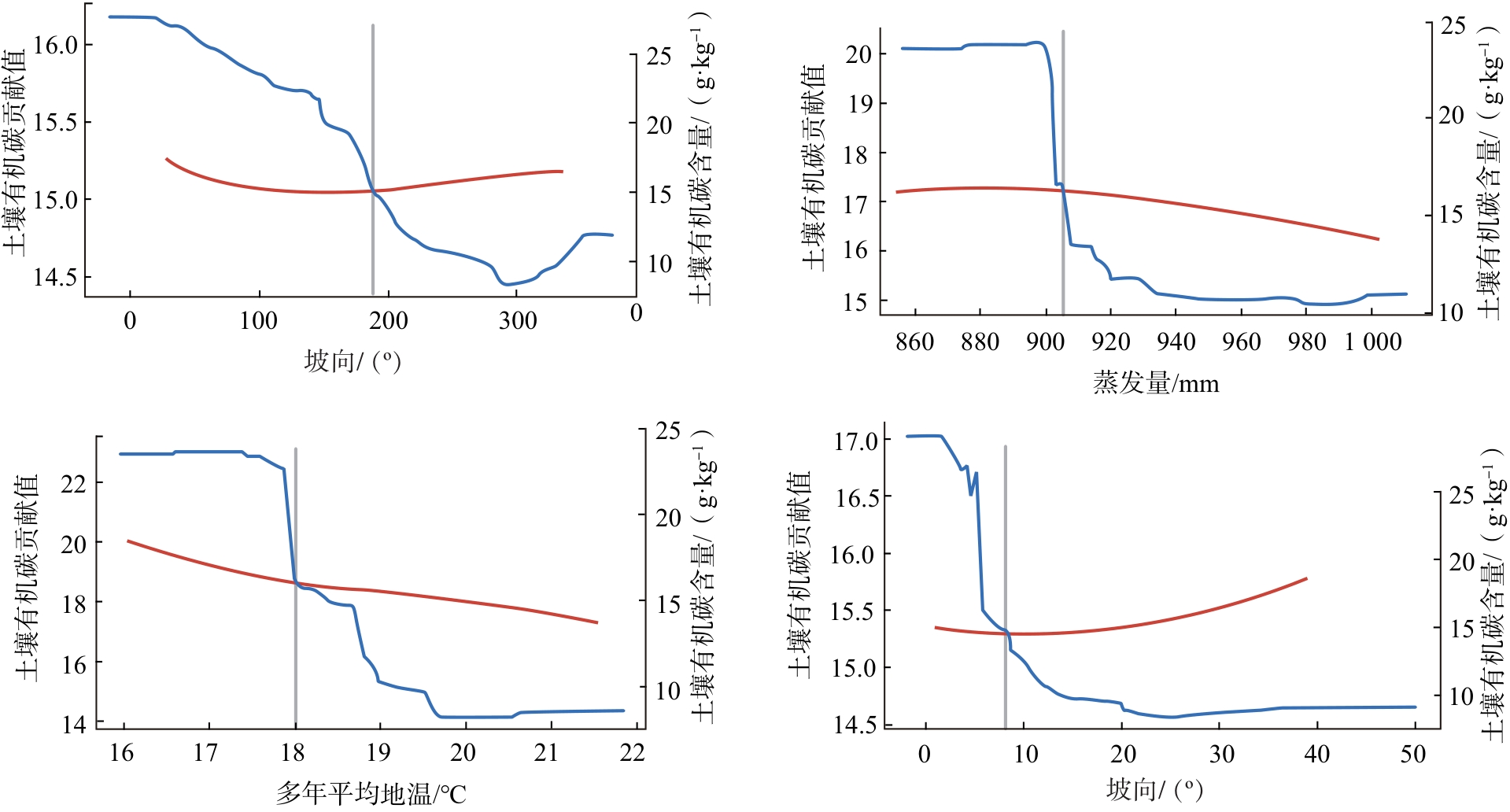
土壤有机碳(SOC)对环境因子的响应通常表现为非线性和阈值特征,但现有研究多停留在因子重要性排序,难以识别其作用边界与协同触发机制,限制了区域固碳调控的精细化实施。本文以浙江省缙云县丘陵区为例,利用土壤样点与多源环境变量,构建随机森林模型,并结合SHAP(SHapley Additive exPlanations)偏依赖图与敏感性拟合曲线,提出“贡献-响应一致性”判断依据以识别主控因子的高影响区间,并构建综合影响强度指数(SⅡ)表征多因子协同作用强度。结果表明,SOC空间异质性并非由单因子连续驱动,而是呈现明显的区间控制特征。坡向(0 °~100 °)、蒸发量(880~920 mm)、地温(17~19 ℃)与坡度(0 °~10 °)构成SOC响应的敏感区间。当4个因子同时处于该区间时SOC进入显著(p0.05)响应状态,单因子作用不足以触发显著变化。SⅡ表明丘陵区SOC受多因子阈值协同控制而非简单叠加影响。研究从区间与协同角度揭示了SOC形成的环境因子调控边界,为丘陵区固碳管理从“因子优化”向“条件匹配”转变提供理论依据。

关键词: 土壤有机碳, 主控因子, 阈值, 偏依赖分析, 敏感性

Abstract:

Soil organic carbon(SOC)responses to environmental factors are commonly nonlinear and threshold-dependent,yet most studies remain limited to importance ranking and fail to identify regulatory boundaries and triggering mechanisms,constraining precise carbon management. This article took the hilly area of Jinyun County,Zhejiang Province as an example,used soil sampling points and multiple environmental variables to construct a random forest model,and combined SHAP(SHapley Additive exPlanations)partial dependence diagram and sensitivity fitting curve to propose a "contribution-response consistency" criterion to identify the high-impact intervals of the main control factor,and constructed a comprehensive impact intensity index(SⅡ)to characterize the strength of the synergistic effect of multiple factors. The results revealed that SOC spatial heterogeneity was not driven by single factor continuous driving,but exhibited obvious interval control characteristics. Aspect(0 °-100 °),evapotranspiration(880-920 mm),ground surface temperature(17-19 ℃),and slope(0 °-10 °)form a sensitivity interval of SOC response. Significant (p0.05) SOC responses occurred only when multiple factors simultaneously fall within this interval,whereas single factor alone was insufficient to trigger variation. The SII further indicated SOC in hilly area was regulated by multi-factor threshold synergy rather than additive effects. This study revealed the environmental regulation boundary of SOC formation from the perspectives of interval and synergy,providing a theoretical basis for the transformation of carbon sequestration management in hilly areas from "factor optimization" to "condition matching".

Key words: soil organic carbon(SOC), dominant controlling factor, threshold, partial dependence analysis, sensitivity

中图分类号: