
Journal of Zhejiang Agricultural Sciences ›› 2026, Vol. 67 ›› Issue (9): 2255-2264.DOI: 10.16178/j.issn.0528-9017.20250376
Previous Articles Next Articles
CAO Yiwen1( ), SUN Ping1, WU Jiaqi1, CHEN Chenfei2, LIN Xianrui1, SHEN Jiansheng1()
Received:2025-05-22
Online:2026-09-11
Published:2026-09-24
Contact:
SHEN Jiansheng
CLC Number:
CAO Yiwen, SUN Ping, WU Jiaqi, CHEN Chenfei, LIN Xianrui, SHEN Jiansheng. Effects of different disinfection methods on soil microbial flora of continuous cropping strawberry[J]. Journal of Zhejiang Agricultural Sciences, 2026, 67(9): 2255-2264.
Add to citation manager EndNote|Ris|BibTeX
URL: http://www.zjnykx.cn/EN/10.16178/j.issn.0528-9017.20250376
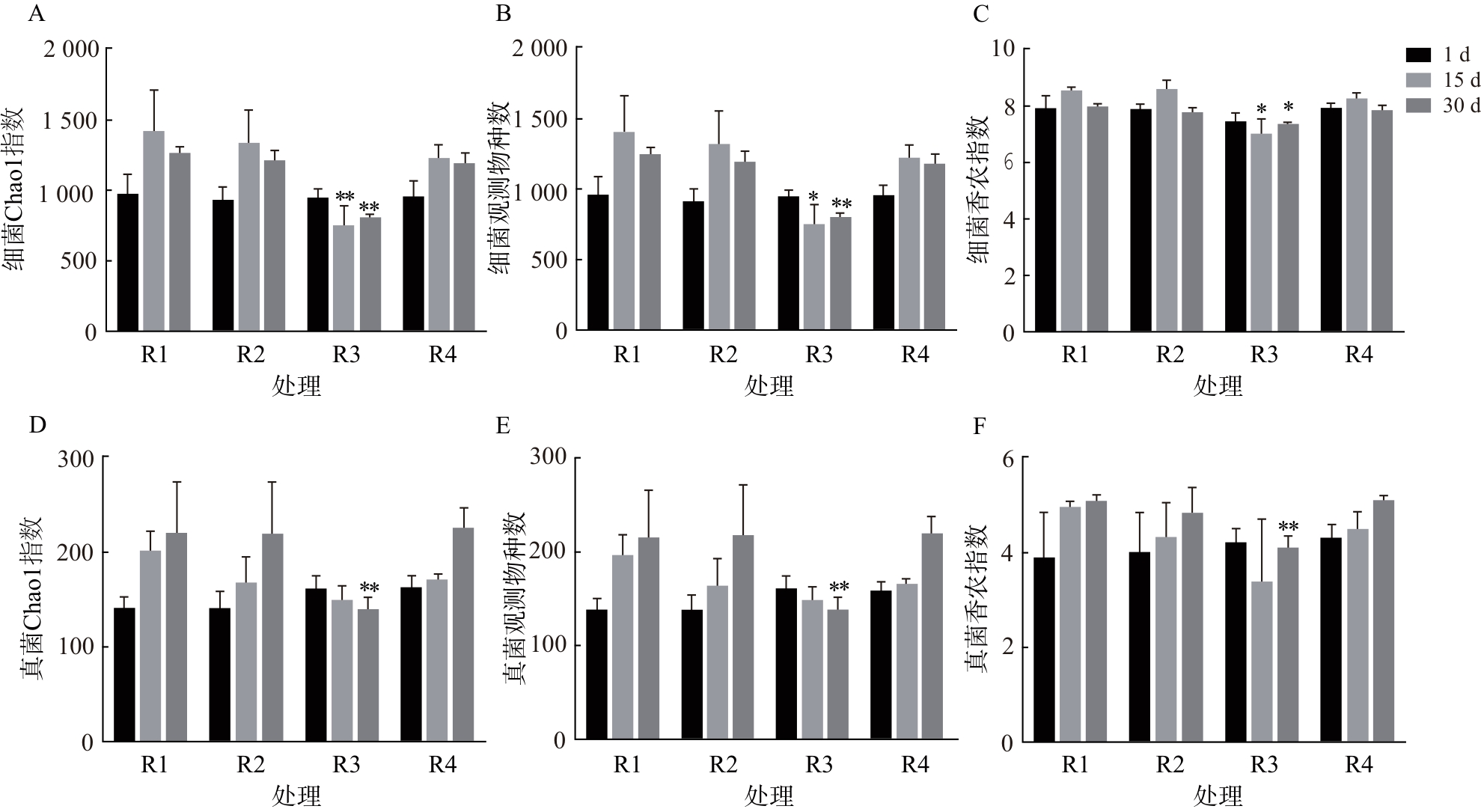
Fig.1 α-diversities of bacteria and fungi in soil under different treatments
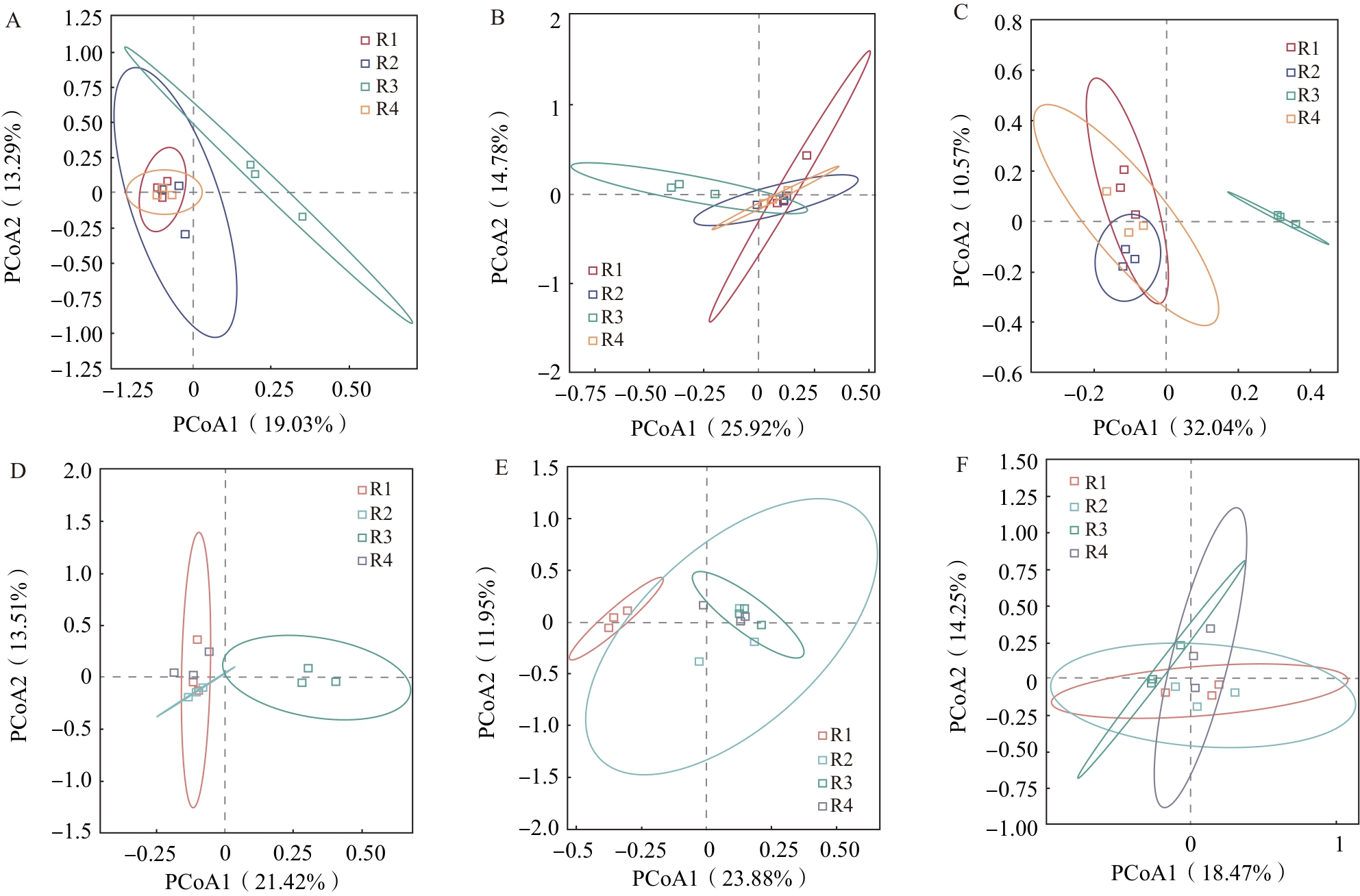
Fig.2 β-diversities of bacteria and fungi in soil under different treatments
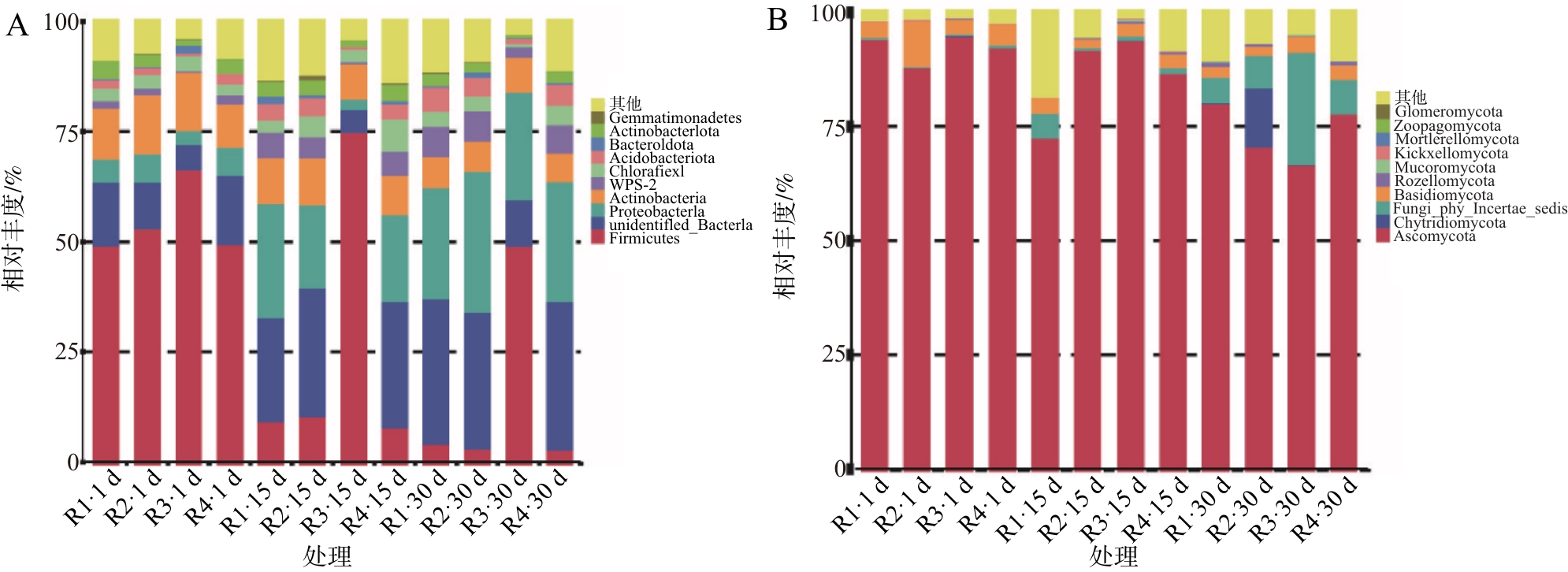
Fig. 3 Relative abundance of bacteria and fungi at the phylum level in soil under different treatments
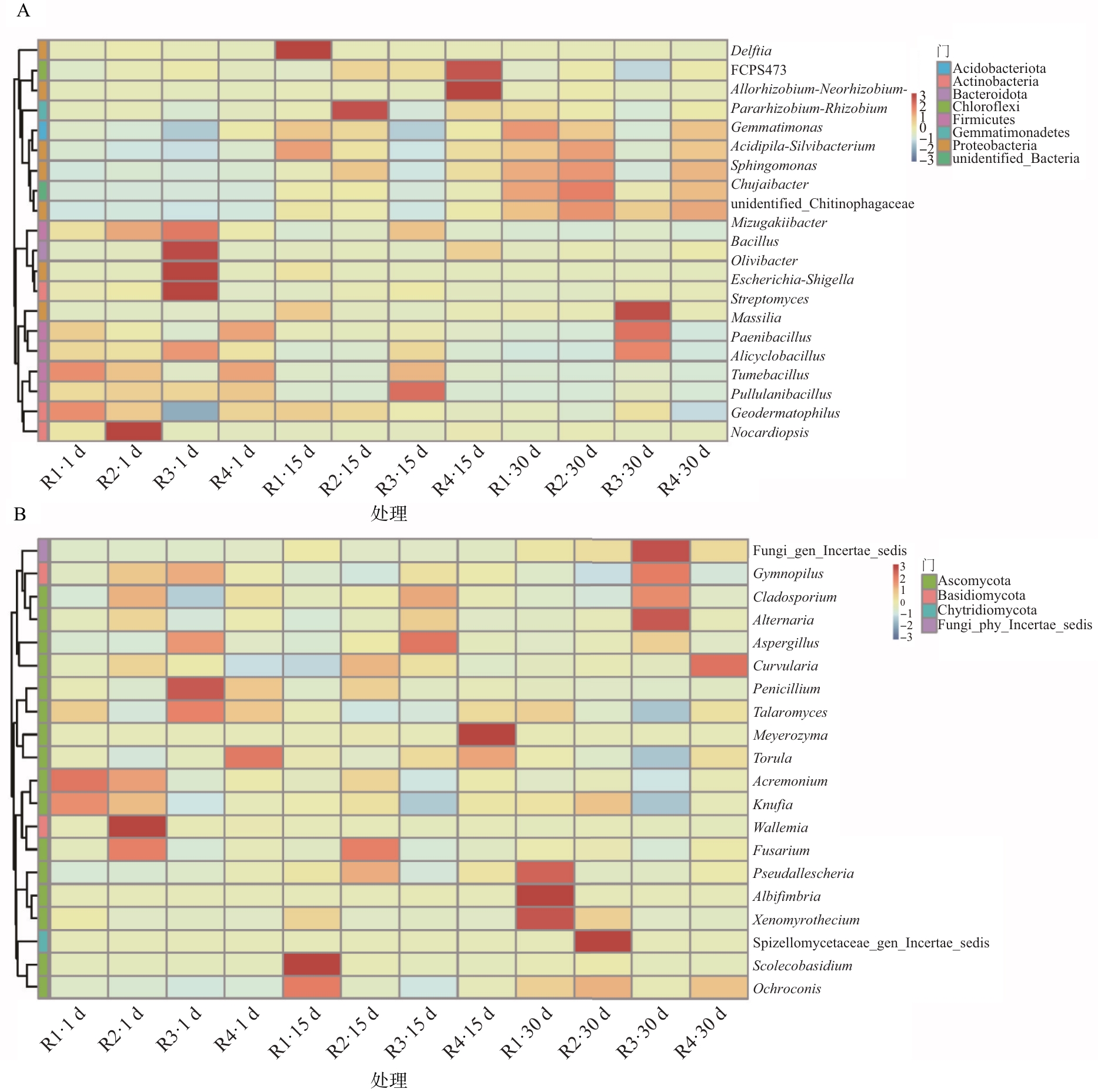
Fig.4 Clustering of bacteria and fungi at the genus level in soil under different treatments
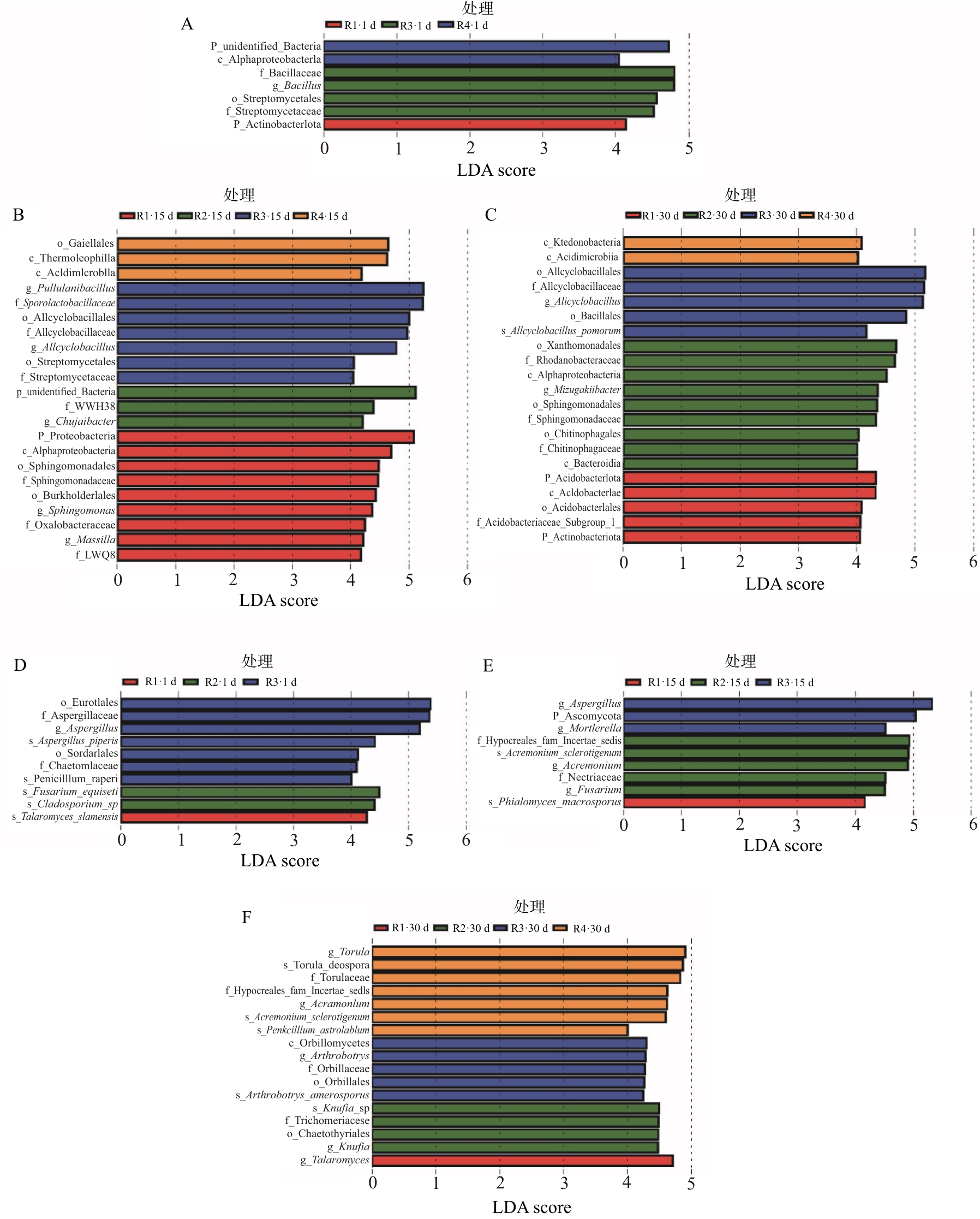
Fig.5 Linear discriminant analysis effect size of bacteria and fungi in soil under different treatments
| [1] | Cole M B, Augustin M A, Robertson M J,et al. The science of food security[J]. npj Science of Food,2018,2(1)1:4-21. |
| [2] | Lehmann J, Bossio D A, Kögel-Knabner I,et al. The concept and future prospects of soil health[J]. Nature Reviews Earth & Environment,2020,1(10):544-553. |
| [3] | Anthony M A, Bender S F, van der Heijden M G A. Enumerating soil biodiversity[J]. Proceedings of the National Academy of Sciences of the United States of America,2023,120(33):e2304663120. |
| [4] | Wagg C, Schlaeppi K, Banerjee S,et al. Fungal-bacterial diversity and microbiome complexity predict ecosystem functioning[J]. Nature Communications,2019,10:4841. |
| [5] | Albornoz F E, Prober S M, Ryan M H,et al. Ecological interactions among microbial functional guilds in the plant-soil system and implications for ecosystem function[J]. Plant and Soil,2022,476(1):301-313. |
| [6] | Morriën E, Hannula S E, Snoek L B,et al. Soil networks become more connected and take up more carbon as nature restoration progresses[J]. Nature Communications,2017,8:14349. |
| [7] | Guseva K, Darcy S, Simon E,et al. From diversity to complexity:microbial networks in soils[J]. Soil Biology and Biochemistry,2022,169:108604. |
| [8] | Hartman K, van der Heijden M G A, Wittwer R A,et al. Cropping practices manipulate abundance patterns of root and soil microbiome members paving the way to smart farming[J]. Microbiome,2018,6(1):14. |
| [9] | Finn D R, Lee S, Lanzén A,et al. Cropping systems impact changes in soil fungal,but not prokaryote,alpha-diversity and community composition stability over a growing season in a long-term field trial[J]. FEMS Microbiology Ecology,2021,97(10):fiab136. |
| [10] | Sim J X F, Doolette C L, Vasileiadis S,et al. Pesticide effects on nitrogen cycle related microbial functions and community composition[J]. Science of the Total Environment,2022,807:150734. |
| [11] | Luo G W, Rensing C, Chen H,et al. Deciphering the associations between soil microbial diversity and ecosystem multifunctionality driven by long-term fertilization management[J]. Functional Ecology,2018,32(4):1103-1116. |
| [12] | van der Bom F, Nunes I, Raymond N S,et al. Long-term fertilisation form,level and duration affect the diversity,structure and functioning of soil microbial communities in the field[J]. Soil Biology and Biochemistry,2018,122:91-103. |
| [13] | Luo G W, Li L, Friman V P,et al. Organic amendments increase crop yields by improving microbe-mediated soil functioning of agroecosystems:a meta-analysis[J]. Soil Biology and Biochemistry,2018,124:105-115. |
| [14] | Dai Z M, Liu G F, Chen H H,et al. Long-term nutrient inputs shift soil microbial functional profiles of phosphorus cycling in diverse agroecosystems[J]. The ISME Journal,2020,14(3):757-770. |
| [15] | Wang Y, Li C Y, Tu C,et al. Long-term no-tillage and organic input management enhanced the diversity and stability of soil microbial community[J]. Science of the Total Environment,2017,609:341-347. |
| [16] | Zheng F J, Wu X P, Zhang M N,et al. Linking soil microbial community traits and organic carbon accumulation rate under long-term conservation tillage practices[J]. Soil and Tillage Research,2022,220:105360. |
| [17] | 曹坳程,郭美霞,王秋霞,等. 世界土壤消毒技术进展[J]. 中国蔬菜,2010(21):17-22. |
| [18] | 张大琪,颜冬冬,方文生,等. 生物熏蒸:环境友好型土壤熏蒸技术[J]. 农药学学报,2020,22(1):11-18. |
| [19] | 王宁堂,张宁,张阿宁,等. 食用菌栽培废料及氯化苦熏蒸对草莓连作土壤理化性质及生长的影响[J]. 陕西农业科学,2021,67(6):1-5,12. |
| [20] | 秦平伟,陈代明,陈瑜欣,等. 98%棉隆微粒剂对烟草生长和青枯病发生的影响[J]. 植物医生,2019,32(6):34-38. |
| [21] | 甄文超,曹克强,代丽,等. 利用药用植物源土壤添加物控制草莓再植病害的研究[J]. 中国农业科学,2005,38(4):730-735. |
| [22] | Collins H P, Alva A, Boydston R A,et al. Soil microbial,fungal,and nematode responses to soil fumigation and cover crops under potato production[J]. Biology and Fertility of Soils,2006,42(3):247-257. |
| [23] | Li M J, Shao D T, Zhou J C,et al. Signatures within esophageal microbiota with progression of esophageal squamous cell carcinoma[J]. Chinese Journal of Cancer Research,2020,32(6):755-767. |
| [24] | Bokulich N A, Kaehler B D, Rideout J R,et al. Optimizing taxonomic classification of marker-gene amplicon sequences with QIIME 2's q2-feature-classifier plugin[J]. Microbiome,2018,6(1):90. |
| [25] | Bolyen E, Rideout J R, Dillon M R,et al. Reproducible,interactive,scalable and extensible microbiome data science using QIIME 2[J]. Nature Biotechnology,2019,37(8):852-857. |
| [26] | Jin B J, Bi Q F, Li K J,et al. Long-term combined application of chemical fertilizers and organic manure shapes the gut microbial diversity and functional community structures of earthworms[J]. Applied Soil Ecology,2022,170:104250. |
| [27] | Zhang X C, Lin L, Zhu Z Q,et al. Colonization and modulation of host growth and metal uptake by endophytic bacteria of Sedum alfredii [J]. International Journal of Phytoremediation,2013,15(1):51-64. |
| [28] | Lodewyckx C, Mergeay M, Vangronsveld J,et al. Isolation,characterization,and identification of bacteria associated with the zinc hyperaccumulator Thlaspi caerulescens subsp. calaminaria [J]. International Journal of Phytoremediation,2002,4(2):101-115. |
| [29] | Colquhoun D R, Hartmann E M, Halden R U. Proteomic profiling of the dioxin-degrading bacterium Sphingomonas wittichii RW1[J]. BioMed Research International,2012,2012(1):408690. |
| [30] | Stolz A. Molecular characteristics of xenobiotic-degrading sphingomonads[J]. Applied Microbiology and Biotechnology,2009,81(5):793-811. |
| [31] | Hesham A E, Mawad A M M, Mostafa Y M,et al. Biodegradation ability and catabolic genes of petroleum-degrading Sphingomonas koreensis strain ASU-06 isolated from Egyptian oily soil[J]. BioMed Research International,2014,2014(1):127674. |
| [32] | Jia X C, Shang H P, Chen Y B,et al. Improved bacterial composition and co-occurrence patterns of rhizosphere increased nutrient uptake and grain yield through cultivars mixtures in maize[J]. Science of the Total Environment,2024,926:172102. |
| [33] | Li J H, Zou Y D, Yang K,et al. Well-developed root systems and a nitrogen-rich rhizosphere recruit key bacterial taxa to resist disease invasion of field crop[J]. Agriculture,Ecosystems & Environment,2025,378:109279. |
| [34] | Kim S J, Ahn J H, Weon H Y,et al. Chujaibacter soli gen. Nov.,sp. nov.,isolated from soil[J]. Journal of Microbiology,2015,53(9):592-597. |
| [35] | Senevirathna S T M L D, Krishna K C B, Mahinroosta R,et al. Comparative characterization of microbial communities that inhabit PFAS-rich contaminated sites:a case-control study[J]. Journal of Hazardous Materials,2022,423:126941. |
| [36] | Luo S Q, Wang Z G, Xu W H. Bacillus velezensis WB invokes soil suppression of Fusarium oxysporum f. sp. niveum by inducing particular taxa[J]. Annals of Agricultural Sciences,2023,68(2):159-170. |
| [37] | Ding S, Zhou D P, Wei H W,et al. Alleviating soil degradation caused by watermelon continuous cropping obstacle:application of urban waste compost[J]. Chemosphere,2021,262:128387. |
| [38] | Feld L, Hjelmsø M H, Nielsen M S,et al. Pesticide side effects in an agricultural soil ecosystem as measured by amoA expression quantification and bacterial diversity changes[J]. PLoS One,2015,10(5):e0126080. |
| [39] | Liu Y R, Dong J X, Han L L,et al. Influence of rice straw amendment on mercury methylation and nitrification in paddy soils[J]. Environmental Pollution,2016,209:53-59. |
| [40] | Rokunuzzaman M, Hayakawa A, Yamane S,et al. Effect of soil disinfection with chemical and biological methods on bacterial communities[J]. Egyptian Journal of Basic and Applied Sciences,2016,3(2):141-148. |
| [41] | Vincent C V, Bignell D R D. Regulation of virulence mechanisms in plant-pathogenic Streptomyces [J]. Canadian Journal of Microbiology,2024,70(6):199-212. |
| [42] | Wanner L A, Kirk W W. Streptomyces:from basic microbiology to role as a plant pathogen[J]. American Journal of Potato Research,2015,92(2):236-242. |
| [43] | Sajid M, Mehmood S, Yuan Y H,et al. Biosafety measures for Alicyclobacillus spp. strains across various levels of biohazard[J]. Food and Chemical Toxicology,2024,191:114840. |
| [44] | Goh Y K, Marzuki N F, Tuan Pa T N F,et al. Biocontrol and plant-growth-promoting traits of Talaromyces apiculatus and Clonostachys rosea consortium against Ganoderma basal stem rot disease of oil palm[J]. Microorganisms,2020,8(8):1138. |
| [45] | Hami A, Rasool R S, Khan N A,et al. Morpho-molecular identification and first report of Fusarium equiseti in causing chilli wilt from Kashmir(northern Himalayas)[J]. Scientific Reports,2021,11(1):3610. |
| [46] | 邵微,于会丽,张培基,等. 不同落叶果树根际微生物群落代谢与组成的差异性研究[J]. 果树学报,2020,37(9):1371-1383. |
| [47] | Lombard L, Serrato-Diaz L M, Cheewangkoon R,et al. Phylogeny and taxonomy of the genus Gliocephalotrichum [J]. Persoonia-Molecular Phylogeny and Evolution of Fungi,2014,32(1):132-140. |
| [48] | Jurick W M, Peng H, Beard H S,et al. Blistering1 modulates Penicillium expansum virulence via vesicle-mediated protein secretion[J]. Molecular & Cellular Proteomics,2020,19(2):344-361. |
| [1] | LAI Wenguo, LI Xiaoyuan, LIU Aichun, WANG Jianrong, XIAO Wenfei, YU Hong, ZHA Yan. Effects of different substrates on growth of cutting seedlings of strawberry Fenyu 2 [J]. Journal of Zhejiang Agricultural Sciences, 2026, 67(7): 1710-1713. |
| [2] | RONG Zhizhuo, WU Chunyan, TANG Xiangyu. Effects of long-term different land use patterns on farmland soil ecosystem multifunctionality and microbial diversity [J]. Journal of Zhejiang Agricultural Sciences, 2026, 67(7): 1816-1828. |
| [3] | SHAO Jie, LU Yijun. Application effect of compound microbial agents and multi-microbial fertilizer in green strawberry production [J]. Journal of Zhejiang Agricultural Sciences, 2026, 67(6): 1518-1521. |
| [4] | ZHOU Jinghan. Application of plant immune elicitors in the green prevention and control of strawberries [J]. Journal of Zhejiang Agricultural Sciences, 2026, 67(6): 1535-1538. |
| [5] | YE Wenjun, LI Long, LI Jianwei. Integrated application and benefit analysis of light and simplified cultivation techniques for strawberry in greenhouse [J]. Journal of Zhejiang Agricultural Sciences, 2026, 67(3): 666-669. |
| [6] | CUI Yanna, HAO Guijie, WANG Yuchen, SUN Boyi, TONG Yuhao, ZHU Yanyu, WANG Min, FANG Qihang, SHI Xumei, LOU Yidi, ZHU Xinding, TU Jinyu, ZHANG Haiqi, YANG Huangzhen. Effects of rice-crayfish rotation on soil physicochemical property and bacterial diversity in paddy fields [J]. Journal of Zhejiang Agricultural Sciences, 2026, 67(1): 202-210. |
| [7] | YING Xiao, XU Wei, CHEN Wei. Effects of chemical fertilizer reduction combined with different fertilizers on strawberry growth and soil fertility [J]. Journal of Zhejiang Agricultural Sciences, 2026, 67(1): 216-221. |
| [8] | REN Jindong, SUN Yuan, CUI Yanyan, WEI Xiaoming, TANG Yong. Effect of integrated rice-fish farming system on soil microbial diversity and function [J]. Journal of Zhejiang Agricultural Sciences, 2025, 66(8): 1829-1834. |
| [9] | HE Qinling, CAI Peiwen, YUE Cong, FENG Xiaolu, MA Haoyu, WANG Zhe, WU Xiangyu, ZHOU Xiaoyu, JIN Yue, ZHANG Xiancui, LI Peng, ZHAO Mingxing, WU Choufei. Effects of combined application of bio-organic fertilizer and microbial agents on soil properties and tomato quality in greenhouse continuous cropping obstacle [J]. Journal of Zhejiang Agricultural Sciences, 2025, 66(8): 1905-1909. |
| [10] | GU Xueping, ZHANG Yiqun, LI Yaping, SUN Jian, DUAN Xiaojing, LIU Yingying, TAO Zhengming, JIANG Wu, CHEN Jiadong. Study of the effect of biochar on alleviating the continuous cropping obstacle of Curcuma wenyujin Y.H. Chen & C. Ling [J]. Journal of Zhejiang Agricultural Sciences, 2025, 66(7): 1616-1620. |
| [11] | JIN Ruo, GONG Jun, CHAI Weidong, KONG Wei, ZHOU Hanyue, ZHENG Jianbin. Effects of 6 soil treatments on continuous cropping obstacle of pepper in greenhouse [J]. Journal of Zhejiang Agricultural Sciences, 2025, 66(6): 1381-1384. |
| [12] | CHEN Yanhua, SUN Lian, LU Yan, HU Liang, LI Fangyong, HAN Kefeng. Effect of earthworm organic liquid fertilizer on strawberry growth [J]. Journal of Zhejiang Agricultural Sciences, 2025, 66(5): 1087-1090. |
| [13] | LIU Shuxin, WU Dongtao, LI Hanmei, DING Fenghua. Study on the alleviating effect of different application methods of biochar on continuous cropping obstacles in broad bean [J]. Journal of Zhejiang Agricultural Sciences, 2025, 66(4): 935-939. |
| [14] | TONG Wenbin, ZHENG Zehua, YANG Haijun, LI Ronghui, YE Zhengqian. Profile analysis of soil bacterial community distribution and nitrogen metabolism in citrus orchard under combined application of animal and poultry organic fertilizer and chemical fertilizer [J]. Journal of Zhejiang Agricultural Sciences, 2025, 66(3): 760-768. |
| [15] | HUANG Haixia, HUANG Kunpeng, YANG Zaijun, CAO Kexin, PAN Hengde, WEI Xueping, LU Fuyong, LI Junlin, LUO Qinzhan. Effects of tobacco-sweet potato intercropping on rhizosphere microbial diversity [J]. Journal of Zhejiang Agricultural Sciences, 2025, 66(12): 2901-2909. |
| Viewed | ||||||
|
Full text |
|
|||||
|
Abstract |
|
|||||
