
Journal of Zhejiang Agricultural Sciences ›› 2026, Vol. 67 ›› Issue (3): 644-651.DOI: 10.16178/j.issn.0528-9017.20240408
Previous Articles Next Articles
GONG Fuyu1( ), XU Jianzhong1(), LI Zhenfeng2, WANG Zhi’an1
Received:2024-05-20
Online:2026-03-11
Published:2026-03-30
Contact:
XU Jianzhong
CLC Number:
GONG Fuyu, XU Jianzhong, LI Zhenfeng, WANG Zhi’an. Comprehensive evaluation of germplasm resources of Ophiopogon japonicus from Zhejiang Province based on principal component and cluster analysis[J]. Journal of Zhejiang Agricultural Sciences, 2026, 67(3): 644-651.
Add to citation manager EndNote|Ris|BibTeX
URL: http://www.zjnykx.cn/EN/10.16178/j.issn.0528-9017.20240408
| 编号 | 产地信息 | 种源 | 编号 | 产地信息 | 种源 |
|---|---|---|---|---|---|
| XL | 浙江省慈溪市逍林镇 | 农家浙麦冬 | WY | 浙江省金华市武义县 | 野生浙麦冬 |
| SS | 浙江省慈溪市胜山镇 | 农家浙麦冬 | PA | 浙江省金华市磐安县 | 野生浙麦冬 |
| XP | 浙江省慈溪市新浦镇 | 农家浙麦冬 | CA | 浙江省金华市临岐镇 | 野生浙麦冬 |
| SMDY | 浙江省台州市三门县(短叶) | 农家浙麦冬 | LS | 浙江省丽水市莲都区 | 野生浙麦冬 |
| SMYH | 浙江省台州市三门县(一号) | 农家浙麦冬 | XS | 浙江省宁波市象山县 | 野生浙麦冬 |
| SMEH | 浙江省台州市三门县(二号) | 农家浙麦冬 | JD | 浙江省建德市钦堂镇 | 野生浙麦冬 |
| YH | 浙江省杭州市余杭区 | 野生浙麦冬 | QZ | 浙江省衢州市开化县 | 野生浙麦冬 |
| HZ | 浙江省杭州市河庄镇 | 野生浙麦冬 | AJ | 浙江省湖州市安吉县 | 野生浙麦冬 |
| XJ | 浙江省杭州市新街镇 | 野生浙麦冬 | TT | 浙江省台州市平桥镇 | 野生浙麦冬 |
| LA | 浙江省杭州市昌华镇 | 野生浙麦冬 | SL | 浙江省台州市石梁镇 | 野生浙麦冬 |
Table 1 Sample information
| 编号 | 产地信息 | 种源 | 编号 | 产地信息 | 种源 |
|---|---|---|---|---|---|
| XL | 浙江省慈溪市逍林镇 | 农家浙麦冬 | WY | 浙江省金华市武义县 | 野生浙麦冬 |
| SS | 浙江省慈溪市胜山镇 | 农家浙麦冬 | PA | 浙江省金华市磐安县 | 野生浙麦冬 |
| XP | 浙江省慈溪市新浦镇 | 农家浙麦冬 | CA | 浙江省金华市临岐镇 | 野生浙麦冬 |
| SMDY | 浙江省台州市三门县(短叶) | 农家浙麦冬 | LS | 浙江省丽水市莲都区 | 野生浙麦冬 |
| SMYH | 浙江省台州市三门县(一号) | 农家浙麦冬 | XS | 浙江省宁波市象山县 | 野生浙麦冬 |
| SMEH | 浙江省台州市三门县(二号) | 农家浙麦冬 | JD | 浙江省建德市钦堂镇 | 野生浙麦冬 |
| YH | 浙江省杭州市余杭区 | 野生浙麦冬 | QZ | 浙江省衢州市开化县 | 野生浙麦冬 |
| HZ | 浙江省杭州市河庄镇 | 野生浙麦冬 | AJ | 浙江省湖州市安吉县 | 野生浙麦冬 |
| XJ | 浙江省杭州市新街镇 | 野生浙麦冬 | TT | 浙江省台州市平桥镇 | 野生浙麦冬 |
| LA | 浙江省杭州市昌华镇 | 野生浙麦冬 | SL | 浙江省台州市石梁镇 | 野生浙麦冬 |
| 指标 | 变异范围 | 平均值 | 变异系数/% |
|---|---|---|---|
| 单丛单株数 | 25.00~158.00 | 67.65 | 43.49 |
| 单丛地上部鲜重/g | 140.50~2 477.50 | 867.09 | 61.98 |
| 单丛地下部鲜重/g | 22.50~541.50 | 224.90 | 57.37 |
| 单丛块根/须根比值 | 0.47~1.79 | 0.85 | 36.08 |
| 单株叶片数 | 6.00~72.00 | 28.68 | 35.63 |
| 叶长/cm | 8.50~52.50 | 24.09 | 32.77 |
| 叶宽/cm | 0.18~0.46 | 0.30 | 17.82 |
| 分蘖数 | 1.00~7.00 | 2.26 | 49.91 |
| 单株块根数 | 1.00~30.00 | 7.69 | 51.17 |
| 单株块根鲜重/g | 0.09~8.74 | 2.13 | 62.81 |
| 块根纵径/cm | 5.87~54.50 | 16.94 | 38.51 |
| 块根横径/cm | 0.75~10.58 | 6.08 | 32.26 |
Table 2 Agronomic traits of Ophiopogon japonicus from Zhejiang Province
| 指标 | 变异范围 | 平均值 | 变异系数/% |
|---|---|---|---|
| 单丛单株数 | 25.00~158.00 | 67.65 | 43.49 |
| 单丛地上部鲜重/g | 140.50~2 477.50 | 867.09 | 61.98 |
| 单丛地下部鲜重/g | 22.50~541.50 | 224.90 | 57.37 |
| 单丛块根/须根比值 | 0.47~1.79 | 0.85 | 36.08 |
| 单株叶片数 | 6.00~72.00 | 28.68 | 35.63 |
| 叶长/cm | 8.50~52.50 | 24.09 | 32.77 |
| 叶宽/cm | 0.18~0.46 | 0.30 | 17.82 |
| 分蘖数 | 1.00~7.00 | 2.26 | 49.91 |
| 单株块根数 | 1.00~30.00 | 7.69 | 51.17 |
| 单株块根鲜重/g | 0.09~8.74 | 2.13 | 62.81 |
| 块根纵径/cm | 5.87~54.50 | 16.94 | 38.51 |
| 块根横径/cm | 0.75~10.58 | 6.08 | 32.26 |
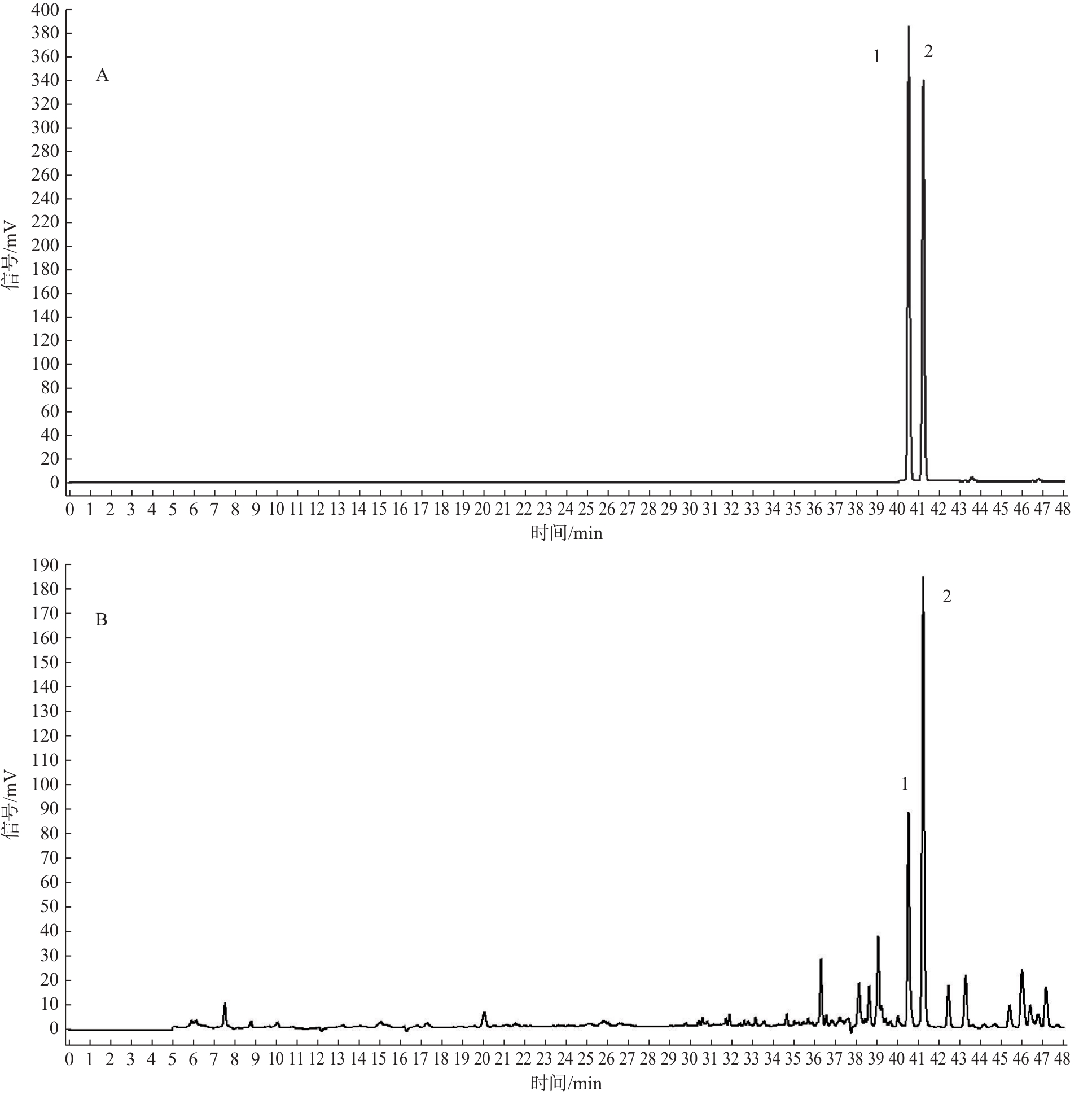
Fig. 1 HPLC chromatograms of the standard substance(A)and the test sample(B)solution
| 指标 | 变异范围/(mg·g-1) | 均值/(mg·g-1) | 变异系数/% |
|---|---|---|---|
| 总黄酮含量 | 0.57~2.02 | 1.43 | 27.32 |
| 总皂苷含量 | 2.54~10.15 | 5.66 | 42.73 |
| 麦冬甲基黄烷酮A含量 | 0.04~0.13 | 0.07 | 34.78 |
| 麦冬甲基黄烷酮B含量 | 0.01~0.73 | 0.09 | 151.48 |
Table 3 Chemical composition of Ophiopogon japonicus from Zhejiang Province
| 指标 | 变异范围/(mg·g-1) | 均值/(mg·g-1) | 变异系数/% |
|---|---|---|---|
| 总黄酮含量 | 0.57~2.02 | 1.43 | 27.32 |
| 总皂苷含量 | 2.54~10.15 | 5.66 | 42.73 |
| 麦冬甲基黄烷酮A含量 | 0.04~0.13 | 0.07 | 34.78 |
| 麦冬甲基黄烷酮B含量 | 0.01~0.73 | 0.09 | 151.48 |
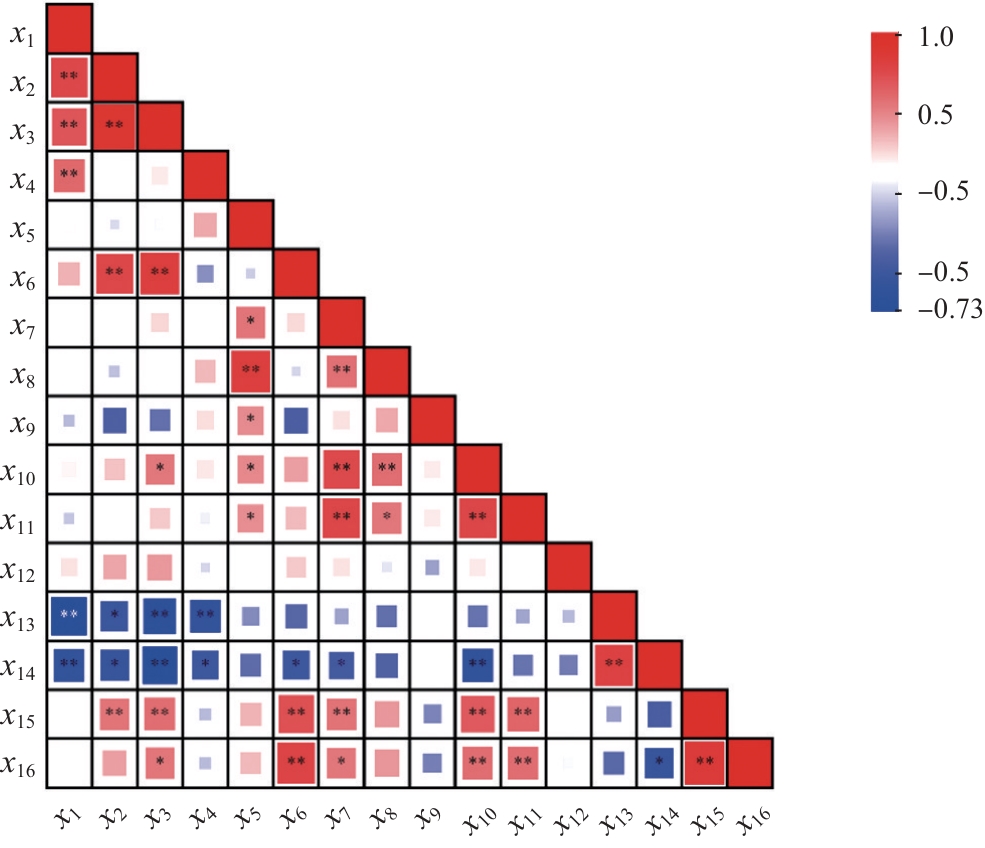
Fig.2 Correlation between major agronomic traits and chemical composition content
| 性状 | 载荷值 | |||
|---|---|---|---|---|
| PC1 | PC2 | PC3 | PC4 | |
| 单丛单株数 | 0.566 | -0.427 | -0.610 | 0.083 |
| 单丛地上部鲜重 | 0.697 | -0.611 | -0.016 | 0.140 |
| 单丛地下部鲜重 | 0.837 | -0.478 | -0.025 | 0.108 |
| 单丛块根/须根比值 | 0.324 | 0.112 | -0.832 | -0.058 |
| 单株叶片数 | 0.486 | 0.659 | -0.256 | 0.045 |
| 叶长 | 0.721 | -0.444 | 0.431 | -0.055 |
| 叶宽 | 0.659 | 0.537 | 0.160 | 0.163 |
| 分蘖数 | 0.536 | 0.681 | -0.176 | -0.122 |
| 单株块根数 | -0.103 | 0.709 | -0.338 | 0.217 |
| 单株块根鲜重 | 0.797 | 0.384 | 0.110 | 0.093 |
| 块根纵茎 | 0.632 | 0.530 | 0.305 | 0.059 |
| 块根横茎 | 0.349 | -0.198 | 0.061 | 0.831 |
| 总黄酮含量 | -0.639 | 0.276 | 0.552 | 0.284 |
| 总皂苷含量 | -0.814 | 0.133 | 0.316 | 0.105 |
| 麦冬甲基黄烷酮A含量 | 0.789 | 0.067 | 0.485 | -0.110 |
| 麦冬甲基黄烷酮B含量 | 0.782 | 0.059 | 0.436 | -0.339 |
Table 4 Principal component analysis of major agronomic traits and chemical composition content
| 性状 | 载荷值 | |||
|---|---|---|---|---|
| PC1 | PC2 | PC3 | PC4 | |
| 单丛单株数 | 0.566 | -0.427 | -0.610 | 0.083 |
| 单丛地上部鲜重 | 0.697 | -0.611 | -0.016 | 0.140 |
| 单丛地下部鲜重 | 0.837 | -0.478 | -0.025 | 0.108 |
| 单丛块根/须根比值 | 0.324 | 0.112 | -0.832 | -0.058 |
| 单株叶片数 | 0.486 | 0.659 | -0.256 | 0.045 |
| 叶长 | 0.721 | -0.444 | 0.431 | -0.055 |
| 叶宽 | 0.659 | 0.537 | 0.160 | 0.163 |
| 分蘖数 | 0.536 | 0.681 | -0.176 | -0.122 |
| 单株块根数 | -0.103 | 0.709 | -0.338 | 0.217 |
| 单株块根鲜重 | 0.797 | 0.384 | 0.110 | 0.093 |
| 块根纵茎 | 0.632 | 0.530 | 0.305 | 0.059 |
| 块根横茎 | 0.349 | -0.198 | 0.061 | 0.831 |
| 总黄酮含量 | -0.639 | 0.276 | 0.552 | 0.284 |
| 总皂苷含量 | -0.814 | 0.133 | 0.316 | 0.105 |
| 麦冬甲基黄烷酮A含量 | 0.789 | 0.067 | 0.485 | -0.110 |
| 麦冬甲基黄烷酮B含量 | 0.782 | 0.059 | 0.436 | -0.339 |
| 主成分 | 特征值 | 方差贡献率/% | 累计方差贡献率/% |
|---|---|---|---|
| PC1 | 6.560 | 40.999 | 40.999 |
| PC2 | 3.252 | 20.326 | 61.325 |
| PC4 | 2.427 | 15.166 | 76.492 |
| PC4 | 1.056 | 6.599 | 83.091 |
Table 5 Eigenvalues and contribution rates of principal components
| 主成分 | 特征值 | 方差贡献率/% | 累计方差贡献率/% |
|---|---|---|---|
| PC1 | 6.560 | 40.999 | 40.999 |
| PC2 | 3.252 | 20.326 | 61.325 |
| PC4 | 2.427 | 15.166 | 76.492 |
| PC4 | 1.056 | 6.599 | 83.091 |
| 编号 | F1 | F2 | F3 | F4 | 得分 | 位次 |
|---|---|---|---|---|---|---|
| XL | 4.83 | 1.92 | 1.49 | 0.18 | 3.14 | 1 |
| SS | 3.86 | 2.73 | 0.24 | 0.18 | 2.63 | 2 |
| XP | 2.74 | 0.86 | 0.56 | -3.38 | 1.40 | 3 |
| SMDY | 1.66 | 1.26 | 0.73 | -0.37 | 1.23 | 4 |
| SMYH | 1.20 | -0.07 | 1.19 | 1.67 | 0.93 | 5 |
| SMEH | 1.02 | -0.50 | 1.53 | 1.56 | 0.78 | 6 |
| YH | 2.18 | -1.61 | -2.12 | 0.30 | 0.32 | 7 |
| HZ | 0.66 | -3.73 | 0.80 | 0.29 | -0.42 | 12 |
| XJ | 1.93 | -4.38 | 1.95 | -0.30 | 0.21 | 9 |
| LA | -2.83 | -0.62 | -0.29 | -0.33 | -1.62 | 19 |
| WY | -0.82 | -1.48 | -0.84 | -0.33 | -0.95 | 15 |
| PA | 2.16 | -0.04 | -4.59 | 0.35 | 0.24 | 8 |
| CA | -3.12 | 0.46 | 0.02 | -0.79 | -1.49 | 18 |
| LS | -3.16 | 0.33 | 0.62 | 0 | -1.36 | 17 |
| XS | -2.05 | 1.39 | 0.13 | 0.63 | -0.60 | 13 |
| JD | -3.98 | -0.04 | 0.88 | -0.82 | -1.88 | 20 |
| QZ | -2.01 | 2.03 | 0.30 | 0.54 | -0.40 | 11 |
| AJ | -1.03 | 1.41 | -0.82 | 0.71 | -0.26 | 10 |
| TT | -2.40 | 0.89 | 0.68 | 0.18 | -0.83 | 14 |
| SL | -0.83 | -0.82 | -2.46 | -0.27 | -1.08 | 16 |
Table 6 Comprehensive evaluation scores of germplasm resources
| 编号 | F1 | F2 | F3 | F4 | 得分 | 位次 |
|---|---|---|---|---|---|---|
| XL | 4.83 | 1.92 | 1.49 | 0.18 | 3.14 | 1 |
| SS | 3.86 | 2.73 | 0.24 | 0.18 | 2.63 | 2 |
| XP | 2.74 | 0.86 | 0.56 | -3.38 | 1.40 | 3 |
| SMDY | 1.66 | 1.26 | 0.73 | -0.37 | 1.23 | 4 |
| SMYH | 1.20 | -0.07 | 1.19 | 1.67 | 0.93 | 5 |
| SMEH | 1.02 | -0.50 | 1.53 | 1.56 | 0.78 | 6 |
| YH | 2.18 | -1.61 | -2.12 | 0.30 | 0.32 | 7 |
| HZ | 0.66 | -3.73 | 0.80 | 0.29 | -0.42 | 12 |
| XJ | 1.93 | -4.38 | 1.95 | -0.30 | 0.21 | 9 |
| LA | -2.83 | -0.62 | -0.29 | -0.33 | -1.62 | 19 |
| WY | -0.82 | -1.48 | -0.84 | -0.33 | -0.95 | 15 |
| PA | 2.16 | -0.04 | -4.59 | 0.35 | 0.24 | 8 |
| CA | -3.12 | 0.46 | 0.02 | -0.79 | -1.49 | 18 |
| LS | -3.16 | 0.33 | 0.62 | 0 | -1.36 | 17 |
| XS | -2.05 | 1.39 | 0.13 | 0.63 | -0.60 | 13 |
| JD | -3.98 | -0.04 | 0.88 | -0.82 | -1.88 | 20 |
| QZ | -2.01 | 2.03 | 0.30 | 0.54 | -0.40 | 11 |
| AJ | -1.03 | 1.41 | -0.82 | 0.71 | -0.26 | 10 |
| TT | -2.40 | 0.89 | 0.68 | 0.18 | -0.83 | 14 |
| SL | -0.83 | -0.82 | -2.46 | -0.27 | -1.08 | 16 |
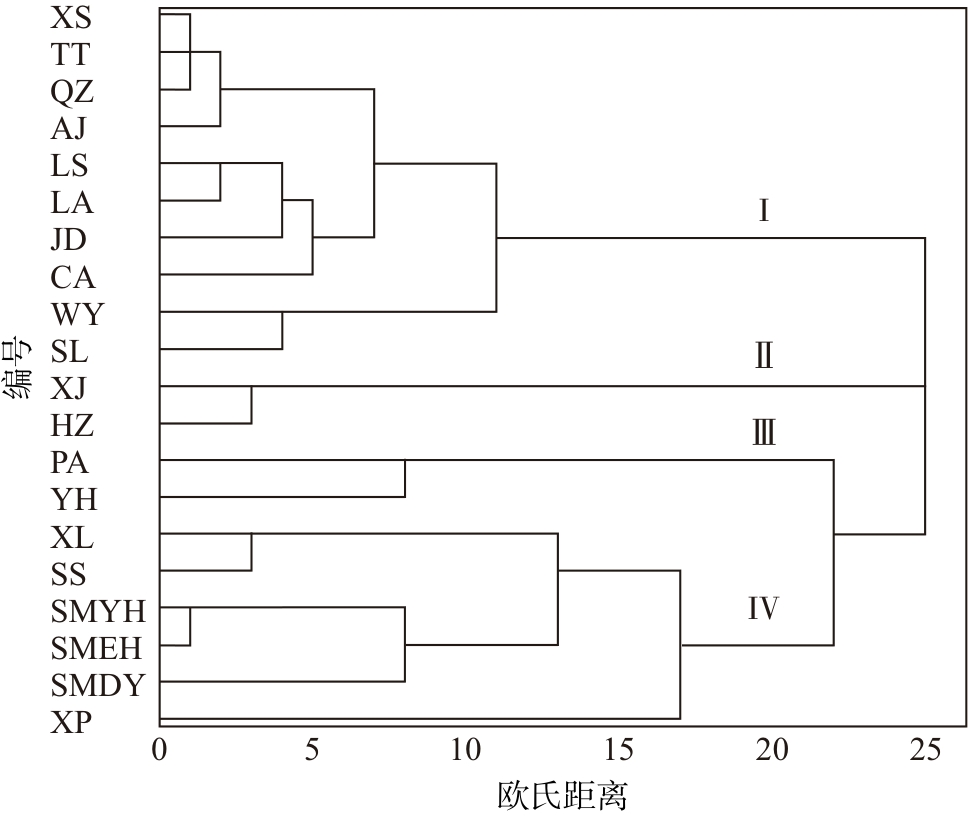
Fig. 3 Cluster analysis of germplasm resources
| [1] | 国家药典委员会 . 中华人民共和国药典:一部 [S].北京:中国医药科技出版社,2015:155-156. |
| [2] | 刘建辉,林娟,陈铁柱,等. 麦冬全球产地生态适宜性的分析[J]. 华西药学杂志,2022,37(5):565-569. |
| LIU J H, LIN J, CHEN T Z,et al. Global ecological suitability analysis of Ophiopogon japonicus [J]. West China Journal of Pharmaceutical Sciences,2022,37(5):565-569. | |
| [3] | 吕悦,杜伟锋,吴杭莎,等. 浙麦冬与川麦冬的比较研究进展[J]. 中华中医药杂志,2023,38(1):289-294. |
| LYU Y, DU W F, WU H S,et al. Research progress on difference of Ophiopogon japonicus produced in Zhejiang and Sichuan Province[J]. China Journal of Traditional Chinese Medicine and Pharmacy,2023,38(1):289-294. | |
| [4] | 范明明,张嘉裕,张湘龙,等. 麦冬的化学成分和药理作用研究进展[J]. 中医药信息,2020,37(4):130-134. |
| FAN M M, ZHANG J Y, ZHANG X L,et al. Research progress on chemical components and pharmacological action of Ophiopogonis Radix[J]. Information on Traditional Chinese Medicine,2020,37(4):130-134. | |
| [5] | 彭婉,马骁,王建,等. 麦冬化学成分及药理作用研究进展[J]. 中草药,2018,49(2):477-488. |
| PENG W, MA X, WANG J,et al. Research progress on chemical constituents and pharmacological effects of Ophiopogon japonicus [J]. Chinese Traditional and Herbal Drugs,2018,49(2):477-488. | |
| [6] | 张璐欣,周学谦,李德坤,等. 麦冬多糖的化学组成、分析方法和药理作用研究进展[J]. 药物评价研究,2017,40(2):279-284. |
| ZHANG L X, ZHOU X Q, LI D K,et al. Research progress on chemical composition,analytical methods,and pharmacological effects of Ophiopogon polysaccharides[J]. Drug Evaluation Research,2017,40(2):279-284. | |
| [7] | 万梅绪,原景,张燕欣,等. 麦冬提取物及其有效成分的药理作用研究进展[J]. 药物评价研究,2023,46(8):1819-1826. |
| WAN M X, YUAN J, ZHANG Y X,et al. Research progress on pharmacological effects of extracts and active components of Ophiopogon japonicus [J]. Drug Evaluation Research,2023,46(8):1819-1826. | |
| [8] | 严福林,黄明喆,杜富强,等. 苗药红禾麻栽培农艺性状与药材品质相关性分析[J]. 中药材,2019,42(7):1478-1483. |
| YAN F L, HUANG M Z, DU F Q,et al. Correlation analysis between agronomic traits and quality of Miao medicine Honghema[J]. Journal of Chinese Medicinal Materials,2019,42(7):1478-1483. | |
| [9] | 岑晓霞,孙健,沈晓霞,等. 基于SRAP和ISSR标记的栽培麦冬起源和遗传多样性研究[J]. 中药材,2021,44(3):555-561. |
| CEN X X, SUN J, SHEN X X,et al. Study on origin and genetic diversity of cultivated of Ophiopogon japonicus based on SRAP and ISSR markers[J]. Journal of Chinese Medicinal Materials,2021,44(3):555-561. | |
| [10] | 赵露颖. 基于化学与遗传分析的浙麦冬和川麦冬的道地性特征及其SCAR分子鉴定[D]. 杭州:浙江中医药大学,2023. |
| ZHAO L Y. Geoherbalism characteristics and SCAR authentication of Ophiopogon japonicus produced in Zhejiang and Sichuan Province based on chemical and genetic analysis[D]. Hangzhou:Zhejiang Chinese Medical University,2023. | |
| [11] | 兰秀,阮丽霞,马仙花,等. 基于主要农艺性状的25份凉粉草种质资源遗传多样性分析与综合评价[J]. 山东农业科学,2023,55(11):57-64. |
| LAN X, RUAN L X, MA X H,et al. Genetic diversity analysis and comprehensive evaluation of 25 Mesona chinensis germplasm resources based on main agronomic characters[J]. Shandong Agricultural Sciences,2023,55(11):57-64. | |
| [12] | 贾瑞玲,赵小琴,南铭,等. 64份苦荞种质资源农艺性状遗传多样性分析与综合评价[J]. 作物杂志,2021(3):19-27. |
| JIA R L, ZHAO X Q,NAN M,et al. Genetic diversity analysis and comprehensive assessment of agronomic traits of 64 tartary buckwheat germplasms[J]. Crops,2021(3):19-27. | |
| [13] | 吴发明,杨瑞山,李敏,等. 麦冬主流品种药材质量比较研究[J]. 中国药学杂志,2017,52(6):447-451. |
| WU F M, YANG R S, LI M,et al. Quality comparison of the main varieties of Ophiopogonis Radix[J]. Chinese Pharmaceutical Journal,2017,52(6):447-451. | |
| [14] | 兰秀,杨海霞,李恒锐,等. 16份桄榔种质主要农艺性状的遗传多样性分析[J]. 西南农业学报,2022,35(5):1000-1009. |
| LAN X, YANG H X, LI H R,et al. Genetic diversity analysis of main agronomic characters of 16 Arenga pinnata germplasm resources[J]. Southwest China Journal of Agricultural Sciences,2022,35(5):1000-1009. | |
| [15] | 邵镪钎,李丹,蒋攀,等. 基于主成分及聚类分析的川明参的综合评价[J]. 中草药,2018,49(14):3389-3396. |
| SHAO Q Q, LI D, JIANG P,et al. Comprehensive evaluation of yield and quality of Chuanmingshen violaceum based on principal component and cluster analysis[J]. Chinese Traditional and Herbal Drugs,2018,49(14):3389-3396. | |
| [16] | 刘江,陈兴福,刘莎,等. 基于主成分聚类分析的川产麦冬种质资源质量综合评价研究[J]. 中国中药杂志,2010,35(5):569-573. |
| LIU J, CHEN X F, LIU S,et al. Evaluation of germplasm resource of Ophiopogon japonicus in Sichuan basin based on principal component and cluster analysis[J]. China Journal of Chinese Materia Medica,2010,35(5):569-573. | |
| [17] | 李艳冬,李运兴,殷益明,等. 基于主成分分析蝴蝶兰质量评价模型建立[J]. 北方园艺,2024(6):61-68. |
| LI Y D, LI Y X, YIN Y M,et al. Establishment of quality evaluation model of Phalaenopsis based on principal component analysis[J]. Northern Horticulture,2024(6):61-68. |
| [1] | CHEN Yushan, LOU Kexun, MIAO Qiang, LOU Jun, MA Guanxi, CAI Xiaojun. Comprehensive evaluation of 16 miniature Phalaenopsis varieties based on phenotypic characters [J]. Journal of Zhejiang Agricultural Sciences, 2026, 67(3): 698-703. |
| [2] | HUANG Shuyong, ZAN Jingyi, WANG Hui, WANG Xiaodong, WANG Xiaoguo. Relationship between composition of soil particle size and quality of flue⁃cured tobacco in western Henan [J]. Journal of Zhejiang Agricultural Sciences, 2026, 67(2): 369-375. |
| [3] | LYU Jingfang, SUN Qiumin, DAI Fen, ZHU Zuoyi. Comprehensive quality evaluation of japonica rice based on principal component and cluster analysis [J]. Journal of Zhejiang Agricultural Sciences, 2026, 67(1): 26-33. |
| [4] | HU Tiejun, ZHOU Fei, JIN Shuquan, WANG Feng, CHEN Yutiao. Selection and evaluation of water-saving and drought-resistant rice adaptability in newly (reclaimed) cultivated land in mountainous and hilly areas [J]. Journal of Zhejiang Agricultural Sciences, 2025, 66(9): 2084-2089. |
| [5] | WANG Qinghua, YUE Lixin, LIU Zezhou, GAO Limin. Effects of NaCl stress on the germination of different types of welsh onions [J]. Journal of Zhejiang Agricultural Sciences, 2025, 66(9): 2157-2164. |
| [6] | LIU Yan, LIN Tianbao, WEI Jia, LIU Peigang, ZHU Yan, LYU Zhiqiang. Comprehensive evaluation of nutritional quality of 12 mulberry leaves in Zhejiang Province [J]. Journal of Zhejiang Agricultural Sciences, 2025, 66(9): 2253-2259. |
| [7] | WANG Huilai, WANG Yin, WU Dongtao, YE Zhengqian. Evaluation of cultivated land fertility in typical hilly mountainous areas of Southwestern Zhejiang [J]. Journal of Zhejiang Agricultural Sciences, 2025, 66(8): 2008-2014. |
| [8] | ZHANG Jinjun, CHEN Yaqing, ZHU Huanzhi, XIA Huili. Quality differences of Polygonatum filipes in different growth years [J]. Journal of Zhejiang Agricultural Sciences, 2025, 66(7): 1612-1615. |
| [9] | WANG Ruisen, QUAN Xinhua, YANG Hailong, JIANG Cong, YAO Xiangtan, ZHANG Quanfeng. Comprehensive evaluation of phenotypic traits in late direct-seeded rapeseed in Northern Zhejiang [J]. Journal of Zhejiang Agricultural Sciences, 2025, 66(5): 1173-1180. |
| [10] | CHEN Chao, LIU Tingfu, CHEN Xiaoyang, ZHOU Dayun, PAN Yiming, ZHU Biao, MIAO Yeminzi. Investigation on germplasm resources of wild vegetable in Southwestern Zhejiang [J]. Journal of Zhejiang Agricultural Sciences, 2025, 66(4): 1048-1052. |
| [11] | ZHANG Yunhong, REN Ziwen, MAO Jiawei, YANG Yonghui, GAO Cuimin, HAN Weifeng, LIU Xiaoqi. Effects of humic acids on the growth and drought resistance of wheat seedlings [J]. Journal of Zhejiang Agricultural Sciences, 2025, 66(4): 885-892. |
| [12] | TANG Xiaowei, ZHANG Ningning, LIU Chen, HENG Yan, QU Xiaohui, SHAO Heping. Different water and fertilizer treatments on the ornamental traits and root activity of Phalaenopsis aphrodite [J]. Journal of Zhejiang Agricultural Sciences, 2025, 66(4): 973-978. |
| [13] | LI Lingling, DENG Ziyuan. Iegitimacy and implementation path of farmers' participation in the benefit-sharing of germplasm resources [J]. Journal of Zhejiang Agricultural Sciences, 2025, 66(3): 551-556. |
| [14] | YU Yangmei, LI Haojie, MIAO Miao. Study on the benefit-sharing mechanism of traditional Chinese medicine industry in mountainous areas—taking Kaihua County as an example [J]. Journal of Zhejiang Agricultural Sciences, 2025, 66(3): 557-561. |
| [15] | WU Yanjun, HONG Wenying, ZHU Xuyan, HUA Yonggang, WANG Qun, NI Jinzhuang, HU Qinmian, CHEN Rui. Study on the disease and pest risk of white cucumber germplasm resources in Hangzhou and its control technique [J]. Journal of Zhejiang Agricultural Sciences, 2025, 66(3): 681-686. |
| Viewed | ||||||
|
Full text |
|
|||||
|
Abstract |
|
|||||
