
Journal of Zhejiang Agricultural Sciences ›› 2026, Vol. 67 ›› Issue (8): 2055-2062.DOI: 10.16178/j.issn.0528-9017.20250382
Previous Articles Next Articles
ZHAI Yuying( ), FAN Shenglong(), LIN Shijie, CAI Yuxian, LEI Wangzhicheng
Received:2025-05-23
Online:2026-08-11
Published:2026-08-20
Contact:
FAN Shenglong
CLC Number:
ZHAI Yuying, FAN Shenglong, LIN Shijie, CAI Yuxian, LEI Wangzhicheng. Spatiotemporal evolution of non-grain trend of cultivated land in Fujian Province and its governance pathways[J]. Journal of Zhejiang Agricultural Sciences, 2026, 67(8): 2055-2062.
Add to citation manager EndNote|Ris|BibTeX
URL: http://www.zjnykx.cn/EN/10.16178/j.issn.0528-9017.20250382
| 影响因素 | 指标 | 指标解释 |
|---|---|---|
| 社会经济 | 城镇化率 | 城镇人口占总人口的比重,反映当地城市化水平 |
| 农村居民人均可支配收入 | 反映农村居民经济生活条件 | |
| 城乡人均收入差距 | 反映城乡收入差距 | |
| 第一产业生产总值 | 反映农业生产规模 | |
| GDP | 地区生产总值,反映经济发展水平 | |
| 常住人口 | 反映人口疏密情况 | |
| 资源禀赋 | 年平均气温 | 一年内各日的平均气温的算术平均值,反映耕地温度情况 |
| 坡度 | 县域平均坡度,反映研究区地形的平均陡缓程度和耕作条件 | |
| 高程 | 反映研究区的海拔情况 | |
| 年降雨量 | 一年中每月降水量的总和,反映耕地水源情况 | |
| 农户生产 | 农业机械总动力 | 驱动农业机械的各种运动所需的总能量 |
| 农业补贴 | 财政支农支出 | |
| 人均耕地面积 | 反映当地规模生产的情况 |
Table 1 Indicator system of influencing factors for non-grain trend of cultivated land
| 影响因素 | 指标 | 指标解释 |
|---|---|---|
| 社会经济 | 城镇化率 | 城镇人口占总人口的比重,反映当地城市化水平 |
| 农村居民人均可支配收入 | 反映农村居民经济生活条件 | |
| 城乡人均收入差距 | 反映城乡收入差距 | |
| 第一产业生产总值 | 反映农业生产规模 | |
| GDP | 地区生产总值,反映经济发展水平 | |
| 常住人口 | 反映人口疏密情况 | |
| 资源禀赋 | 年平均气温 | 一年内各日的平均气温的算术平均值,反映耕地温度情况 |
| 坡度 | 县域平均坡度,反映研究区地形的平均陡缓程度和耕作条件 | |
| 高程 | 反映研究区的海拔情况 | |
| 年降雨量 | 一年中每月降水量的总和,反映耕地水源情况 | |
| 农户生产 | 农业机械总动力 | 驱动农业机械的各种运动所需的总能量 |
| 农业补贴 | 财政支农支出 | |
| 人均耕地面积 | 反映当地规模生产的情况 |
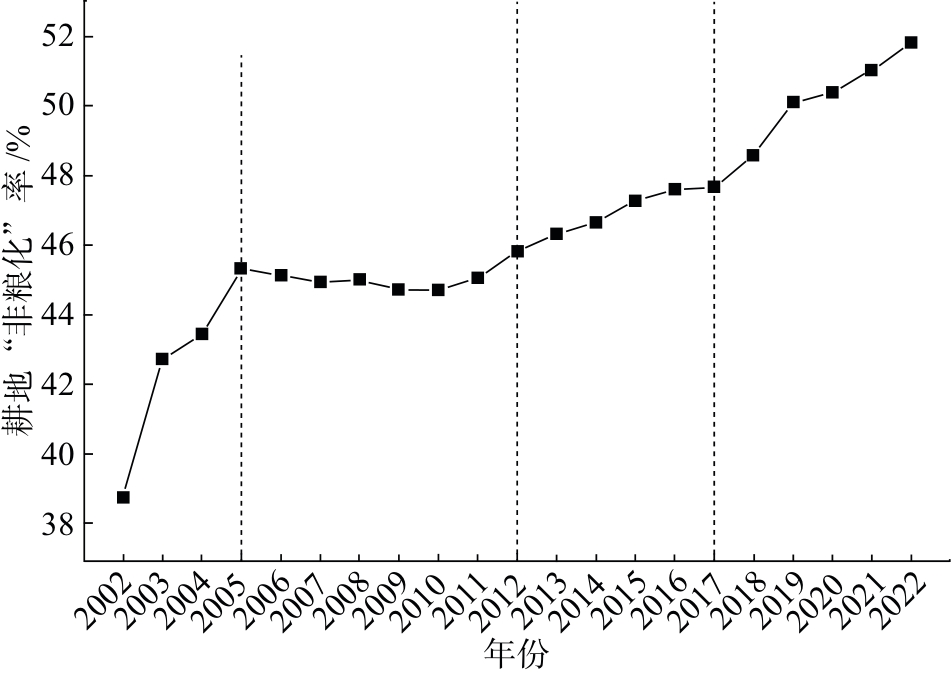
Fig.1 Trend of non-grain rate of cultivated land
| 年份 | 全局莫兰指数 | 预期指数 | 方差 | 得分 | p值 |
|---|---|---|---|---|---|
| 2005 | 0.229 | -0.012 | 0.006 | 3.125 | <0.000 1 |
| 2012 | 0.352 | -0.012 | 0.005 | 4.784 | <0.000 1 |
| 2017 | 0.692 | -0.001 | 0.006 | 9.012 | <0.000 1 |
| 2022 | 0.842 | -0.012 | 0.006 | 10.915 | <0.000 1 |
Table 2 Global Moran's index
| 年份 | 全局莫兰指数 | 预期指数 | 方差 | 得分 | p值 |
|---|---|---|---|---|---|
| 2005 | 0.229 | -0.012 | 0.006 | 3.125 | <0.000 1 |
| 2012 | 0.352 | -0.012 | 0.005 | 4.784 | <0.000 1 |
| 2017 | 0.692 | -0.001 | 0.006 | 9.012 | <0.000 1 |
| 2022 | 0.842 | -0.012 | 0.006 | 10.915 | <0.000 1 |
| 空间聚集类型 | 2005年 | 2012年 | 2017年 | 2022年 |
|---|---|---|---|---|
| 高-高聚集 | 10 | 15 | 19 | 20 |
| 高-低聚集 | 0 | 1 | 0 | 0 |
| 低-高聚集 | 5 | 3 | 5 | 4 |
| 低-低聚集 | 7 | 4 | 6 | 5 |
Table 3 The number of counties in different spatial agglomeration types of non-grain trend of cultivated land
| 空间聚集类型 | 2005年 | 2012年 | 2017年 | 2022年 |
|---|---|---|---|---|
| 高-高聚集 | 10 | 15 | 19 | 20 |
| 高-低聚集 | 0 | 1 | 0 | 0 |
| 低-高聚集 | 5 | 3 | 5 | 4 |
| 低-低聚集 | 7 | 4 | 6 | 5 |
| 主成分 | 特征值 | 贡献率/% | 累计方差贡献率/% |
|---|---|---|---|
| 1 | 6.511 | 50.083 | 50.083 |
| 2 | 1.671 | 12.856 | 62.939 |
| 3 | 1.117 | 8.595 | 71.534 |
| 4 | 0.992 | 7.634 | 79.168 |
Table 4 Eigenvalues and variance contribution rates of principal components
| 主成分 | 特征值 | 贡献率/% | 累计方差贡献率/% |
|---|---|---|---|
| 1 | 6.511 | 50.083 | 50.083 |
| 2 | 1.671 | 12.856 | 62.939 |
| 3 | 1.117 | 8.595 | 71.534 |
| 4 | 0.992 | 7.634 | 79.168 |
| 指标 | 载荷系数 | |||
|---|---|---|---|---|
| 主成分1 | 主成分2 | 主成分3 | 主成分4 | |
| 农村居民人均可支配收入 | 0.829 | -0.248 | 0.123 | 0.122 |
| 城乡人均收入差距 | 0.765 | -0.085 | -0.287 | 0.241 |
| GDP | 0.891 | 0.224 | 0.059 | 0.188 |
| 常住人口 | 0.861 | 0.367 | 0.041 | 0.092 |
| 年平均气温 | 0.720 | -0.407 | 0.368 | -0.264 |
| 坡度 | -0.820 | 0.348 | -0.227 | 0.061 |
| 高程 | -0.836 | 0.252 | -0.201 | 0.172 |
| 年降雨量 | -0.729 | 0.091 | 0.391 | 0.362 |
| 人均耕地面积 | -0.716 | -0.041 | 0.485 | 0.179 |
| 第一产业生产总值 | 0.387 | 0.541 | -0.343 | -0.300 |
| 农业机械总动力 | 0.418 | 0.488 | 0.418 | -0.205 |
| 农业补贴 | 0.508 | 0.634 | 0.214 | 0.384 |
| 城镇化率 | 0.436 | -0.354 | -0.247 | 0.575 |
Table 5 Principal component loading table
| 指标 | 载荷系数 | |||
|---|---|---|---|---|
| 主成分1 | 主成分2 | 主成分3 | 主成分4 | |
| 农村居民人均可支配收入 | 0.829 | -0.248 | 0.123 | 0.122 |
| 城乡人均收入差距 | 0.765 | -0.085 | -0.287 | 0.241 |
| GDP | 0.891 | 0.224 | 0.059 | 0.188 |
| 常住人口 | 0.861 | 0.367 | 0.041 | 0.092 |
| 年平均气温 | 0.720 | -0.407 | 0.368 | -0.264 |
| 坡度 | -0.820 | 0.348 | -0.227 | 0.061 |
| 高程 | -0.836 | 0.252 | -0.201 | 0.172 |
| 年降雨量 | -0.729 | 0.091 | 0.391 | 0.362 |
| 人均耕地面积 | -0.716 | -0.041 | 0.485 | 0.179 |
| 第一产业生产总值 | 0.387 | 0.541 | -0.343 | -0.300 |
| 农业机械总动力 | 0.418 | 0.488 | 0.418 | -0.205 |
| 农业补贴 | 0.508 | 0.634 | 0.214 | 0.384 |
| 城镇化率 | 0.436 | -0.354 | -0.247 | 0.575 |
| 主成分 | 关联度 | 排名 | 主成分含义 |
|---|---|---|---|
| 1 | 0.775 | 4 | 经济?地理综合因子(GDP、坡度、高程、常住人口、农村居民人均可支配收入) |
| 2 | 0.796 | 1 | 政策?生产综合因子(农业补贴、第一产业产值) |
| 3 | 0.794 | 2 | 技术-资源综合因子(人均耕地面积、农业机械总动力) |
| 4 | 0.793 | 3 | 城乡发展因子(城镇化率) |
Table 6 Correlation degree and ranking of principal components with the non-grain trend of cultivated land in Fujian Province
| 主成分 | 关联度 | 排名 | 主成分含义 |
|---|---|---|---|
| 1 | 0.775 | 4 | 经济?地理综合因子(GDP、坡度、高程、常住人口、农村居民人均可支配收入) |
| 2 | 0.796 | 1 | 政策?生产综合因子(农业补贴、第一产业产值) |
| 3 | 0.794 | 2 | 技术-资源综合因子(人均耕地面积、农业机械总动力) |
| 4 | 0.793 | 3 | 城乡发展因子(城镇化率) |
| 因素 | 变量 | 关联度 | 排名 |
|---|---|---|---|
| 核心驱动因素 | 坡度 | 0.999 | 1 |
| 年平均气温 | 0.998 | 2 | |
| 常住人口 | 0.996 | 3 | |
| 高程 | 0.995 | 4 | |
| 人均耕地面积 | 0.994 | 5 | |
| 次要驱动因素 | GDP | 0.992 | 6 |
| 年降雨量 | 0.838 | 7 | |
| 农业补贴 | 0.679 | 8 |
Table 7 Correlation degree of representative factors for non-grain trend of cultivated land in Fujian Province
| 因素 | 变量 | 关联度 | 排名 |
|---|---|---|---|
| 核心驱动因素 | 坡度 | 0.999 | 1 |
| 年平均气温 | 0.998 | 2 | |
| 常住人口 | 0.996 | 3 | |
| 高程 | 0.995 | 4 | |
| 人均耕地面积 | 0.994 | 5 | |
| 次要驱动因素 | GDP | 0.992 | 6 |
| 年降雨量 | 0.838 | 7 | |
| 农业补贴 | 0.679 | 8 |
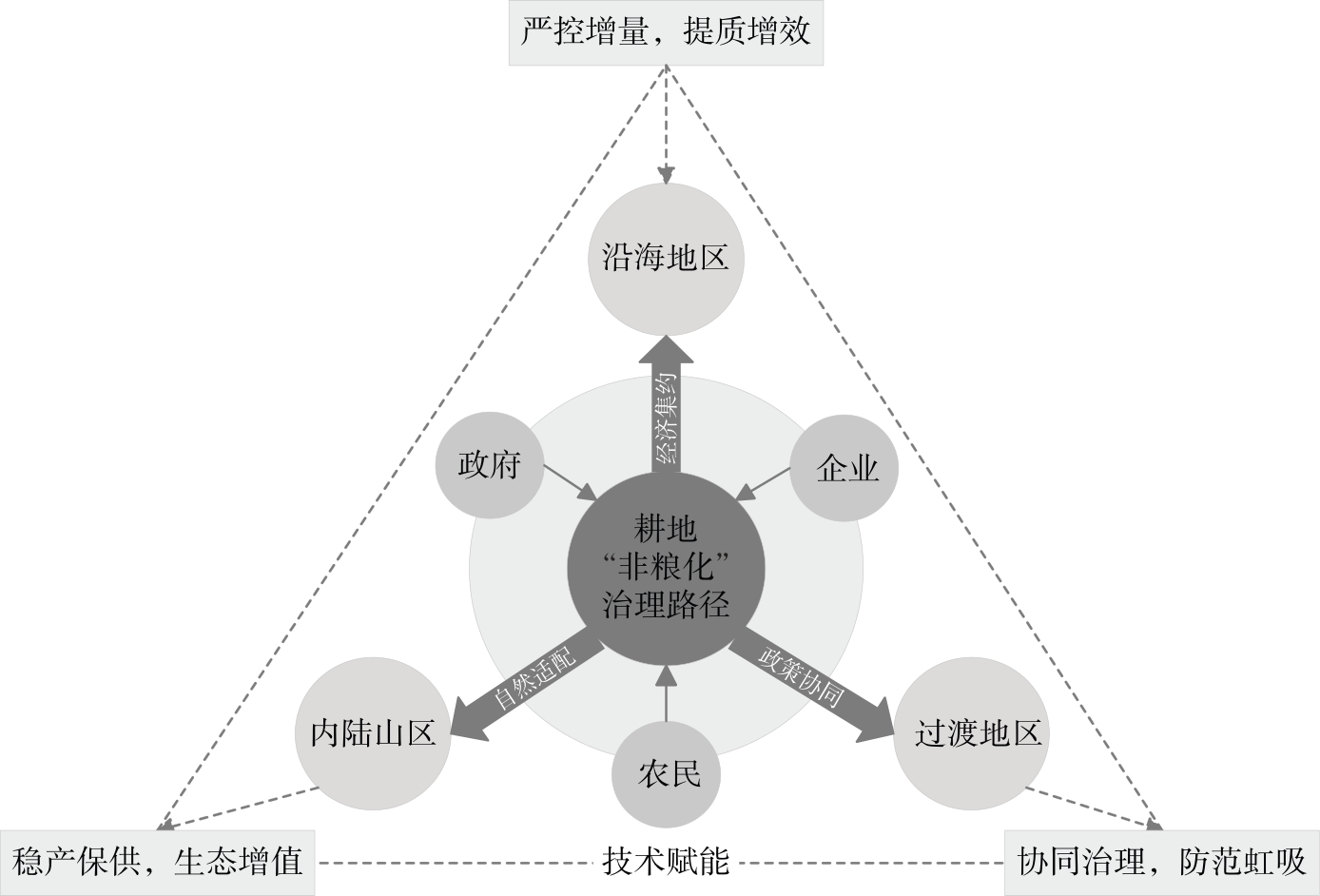
Fig.2 Governance path diagram of non-grain trend of cultivated land in Fujian Province
| [1] | 陈秧分,王介勇,张凤荣,等. 全球化与粮食安全新格局[J]. 自然资源学报,2021(6):1362-1380. |
| [2] | 曹宇,李国煜,王嘉怡,等. 耕地非粮化的系统认知与研究框架:从粮食安全到多维安全[J]. 中国土地科学,2022,36(3):1-12. |
| [3] | 程旭东,陈美球,赖昭豪,等. 山区县耕地“非粮化”空间分异规律及关联因素[J]. 农业工程学报,2023,39(2):203-211. |
| [4] | 韩国莹,刘同山. 农地流转价格对非粮种植的影响研究[J]. 价格理论与实践,2020(7):66-69. |
| [5] | 陈浮,刘俊娜,常媛媛,等. 中国耕地非粮化空间格局分异及驱动机制[J]. 中国土地科学,2021,35(9):33-43. |
| [6] | 赵晓峰,刘子扬. “非粮化”还是“趋粮化”:农地经营基本趋势辨析[J]. 华南农业大学学报(社会科学版),2021,20(6):78-87. |
| [7] | 谢花林,黄萤乾. 非农就业与土地流转对农户耕地撂荒行为的影响:以闽赣湘山区为例[J]. 自然资源学报,2022,37(2):408-423. |
| [8] | 何福平. 农村劳动力老龄化对我国粮食安全的影响[J]. 求索,2010(11):74-76. |
| [9] | 陈美球,肖鹤亮,何维佳,等. 耕地流转农户行为影响因素的实证分析:基于江西省1 396户农户耕地流转行为现状的调研[J]. 自然资源学报,2008,23(3):369-374. |
| [10] | 王善高,田旭. 农村劳动力老龄化对农业生产的影响研究:基于耕地地形的实证分析[J]. 农业技术经济,2018(4):15-26. |
| [11] | 王佳韡,伍世代,王强,等. 南方山地丘陵区资源环境承载能力监测预警技术方法探讨:以福建省为例[J]. 地理科学,2019,39(5):847-856. |
| [12] | 刘艳芳,安睿,曲胜秋,等. 福建省耕地生态安全评价及障碍因子分析[J]. 中国农业资源与区划,2022,43(11):121-132. |
| [13] | 孟菲,谭永忠,陈航,等. 中国耕地“非粮化”的时空格局演变及其影响因素[J]. 中国土地科学,2022,36(1):97-106. |
| [14] | 谢雨琦,王子芳,王颖,等. 重庆丘陵山区耕地非粮化时空变异及驱动类型划分[J]. 农业资源与环境学报,2024,41(1):15-26. |
| [15] | 张颖诗,冯艳芬,王芳,等. 广东省耕地非粮化的时空分异及其驱动机制[J]. 资源科学,2022,44(3):480-493. |
| [16] | 邱乐丰,张玲,徐保根,等. 种植结构非粮化对农田氮磷流失负荷的影响[J]. 浙江农业学报,2022,34(9):1995-2003. |
| [17] | 薛选登,谷秀云. 非粮化对粮食绿色全要素生产率的门槛效应研究[J]. 中国农业资源与区划,2022,43(7):17-26. |
| [18] | 夏楚瑜,董照樱子,陈彬. 城市生态韧性时空变化及情景模拟研究:以杭州市为例[J]. 生态学报,2022,42(1):116-126. |
| [19] | 周浩,雷国平,杨雪昕. 三江平原典型流域土地利用格局变化与空间分异研究[J]. 农业机械学报,2017,48(5):142-151. |
| [20] | 黄祖辉,李懿芸,毛晓红. 我国耕地“非农化”“非粮化”的现状与对策[J]. 江淮论坛,2022(4):13-21. |
| [21] | 吕沄灏,崔民,夏显力,等. 陕南耕地“非粮化”时空演变及其驱动力[J]. 资源科学,2023,45(8):1531-1545. |
| [22] | 潘竟虎,刘晓. 基于空间主成分和最小累积阻力模型的内陆河景观生态安全评价与格局优化:以张掖市甘州区为例[J]. 应用生态学报,2015,26(10):3126-3136. |
| [23] | 杨文桔,童绍玉. 2000—2020年巍山县土地利用变化的时空格局及其驱动因子研究[J]. 西南林业大学学报,2023,7(6):58-65. |
| [1] | ZHEN Junqi, LI Junli, TAN Xiufang, ZOU Ming, LIU Yicheng, WEI Fang, DONG Qi, CHEN Xi. Texture identification and evaluation of different fruit-shaped peppers based on texture profile analysis [J]. Journal of Zhejiang Agricultural Sciences, 2026, 67(8): 1977-1981. |
| [2] | SUN Hong, YAO Xiaohong, HU Jiabi, FANG Cuilin, YOU Fei, XU Huangen, PAN Lingmei, TANG Jiangwu. Evaluation on the potential feed value of Huangjiu lees based on principal component analysis [J]. Journal of Zhejiang Agricultural Sciences, 2026, 67(8): 2040-2044. |
| [3] | XIA Luosheng, WANG Xidu, PAN Meiling, LIU Xiaodan, LIN Fenglei, LEI Minhui. Analysis of factors affecting farmland irrigation in Taishun County [J]. Journal of Zhejiang Agricultural Sciences, 2026, 67(7): 1770-1774. |
| [4] | WANG Jiamin, ZHANG Xu, WU Mingjiang, SU Laijin. Comprehensive evaluation of quality of Brasenia schreberi at different harvesting periods based on principal component analysis [J]. Journal of Zhejiang Agricultural Sciences, 2026, 67(6): 1522-1528. |
| [5] | GU Xinrong, FENG Lulu, XU Yaohui, WANG Manman, ZHANG Huimin, YAN Honglang, WANG Kang. Diversity analysis of melon germplasm resources based on seedling traits [J]. Journal of Zhejiang Agricultural Sciences, 2026, 67(5): 1146-1150. |
| [6] | WANG Luoyun, KE Fuzhi, NIE Zhenpeng, CUI Changjiang, YANG Yi, HUANG Xiu, SUN Lifang. Evaluation of fruit quality of nine local citrus varieties from Taizhou of China [J]. Journal of Zhejiang Agricultural Sciences, 2026, 67(5): 1169-1173. |
| [7] | GONG Fuyu, XU Jianzhong, LI Zhenfeng, WANG Zhi’an. Comprehensive evaluation of germplasm resources of Ophiopogon japonicus from Zhejiang Province based on principal component and cluster analysis [J]. Journal of Zhejiang Agricultural Sciences, 2026, 67(3): 644-651. |
| [8] | LYU Jingfang, SUN Qiumin, DAI Fen, ZHU Zuoyi. Comprehensive quality evaluation of japonica rice based on principal component and cluster analysis [J]. Journal of Zhejiang Agricultural Sciences, 2026, 67(1): 26-33. |
| [9] | HU Tiejun, ZHOU Fei, JIN Shuquan, WANG Feng, CHEN Yutiao. Selection and evaluation of water-saving and drought-resistant rice adaptability in newly (reclaimed) cultivated land in mountainous and hilly areas [J]. Journal of Zhejiang Agricultural Sciences, 2025, 66(9): 2084-2089. |
| [10] | LIU Yan, LIN Tianbao, WEI Jia, LIU Peigang, ZHU Yan, LYU Zhiqiang. Comprehensive evaluation of nutritional quality of 12 mulberry leaves in Zhejiang Province [J]. Journal of Zhejiang Agricultural Sciences, 2025, 66(9): 2253-2259. |
| [11] | WANG Huilai, WANG Yin, WU Dongtao, YE Zhengqian. Evaluation of cultivated land fertility in typical hilly mountainous areas of Southwestern Zhejiang [J]. Journal of Zhejiang Agricultural Sciences, 2025, 66(8): 2008-2014. |
| [12] | ZHANG Jinjun, CHEN Yaqing, ZHU Huanzhi, XIA Huili. Quality differences of Polygonatum filipes in different growth years [J]. Journal of Zhejiang Agricultural Sciences, 2025, 66(7): 1612-1615. |
| [13] | ZHANG Yunhong, REN Ziwen, MAO Jiawei, YANG Yonghui, GAO Cuimin, HAN Weifeng, LIU Xiaoqi. Effects of humic acids on the growth and drought resistance of wheat seedlings [J]. Journal of Zhejiang Agricultural Sciences, 2025, 66(4): 885-892. |
| [14] | YANG Chunya, WU Dongyang, TAN Huiling, YE Yu, ZHAO Zhongqiu, LI Yongtao, XU Huijuan. Effects of pig manure instead of partial nitrogen fertilizer on soil quality, yield and vitamin C content of Chinese flowering cabbage [J]. Journal of Zhejiang Agricultural Sciences, 2025, 66(2): 354-362. |
| [15] | LI Jinlong, LONG Yaqin, YIN Liqiong, TONG Jiayin, LUO Ziwen, QU Hao, LIU Fuqiao, CHEN Linbo. Differential analysis of internal substances in tea under different tree management modes [J]. Journal of Zhejiang Agricultural Sciences, 2024, 65(7): 1567-1570. |
| Viewed | ||||||
|
Full text |
|
|||||
|
Abstract |
|
|||||
