
Journal of Zhejiang Agricultural Sciences ›› 2025, Vol. 66 ›› Issue (12): 3080-3085.DOI: 10.16178/j.issn.0528-9017.20240891
Previous Articles Next Articles
SUN Ping1( ), LU Benyi1, WU Jiaqi1, CHEN Chenfei2, LIN Xianrui1, WANG Yi1, CAO Yiwen1, SHEN Jiansheng1,*()
Received:2024-11-25
Online:2025-12-11
Published:2025-12-17
CLC Number:
SUN Ping, LU Benyi, WU Jiaqi, CHEN Chenfei, LIN Xianrui, WANG Yi, CAO Yiwen, SHEN Jiansheng. Influence of different disinfection methods on the soil for strawberry continuous cropping[J]. Journal of Zhejiang Agricultural Sciences, 2025, 66(12): 3080-3085.
Add to citation manager EndNote|Ris|BibTeX
URL: http://www.zjnykx.cn/EN/10.16178/j.issn.0528-9017.20240891
| 处理时间/d | 处理 | pH值 | 全氮含量/(g·kg-1) | 全磷含量/(g·kg-1) | 全钾含量/(g·kg-1) |
|---|---|---|---|---|---|
| 1 | CK | 5.28±0.01 Bc | 1.873±0.035 Aa | 1.948±0.063 Aa | 20.340±0.580 Aa |
| T1 | 5.75±0.02 Aa | 1.874±0.030 Aa | 2.056±0.023 Aa | 21.185±0.476 Aa | |
| T2 | 5.26±0.54 Cc | 1.879±0.022 Aa | 2.015±0.064 Aa | 21.396±0.379 Aa | |
| T3 | 5.40±0.17 Bb | 1.912±0.030 Aa | 1.953±0.057 Aa | 20.395±1.077 Aa | |
| 15 | CK | 5.28±0.02 Bc | 1.831±0.012 Aab | 1.959±0.059 Aa | 20.330±0.845 Aa |
| T1 | 5.77±0.01 Aa | 1.851±0.016 Aab | 1.980±0.057 Aa | 20.309±0.584 Aa | |
| T2 | 5.50±0.02 Bb | 1.876±0.005 Aa | 1.959±0.109 Aa | 19.933±0.798 Ba | |
| T3 | 5.46±0.02 Ab | 1.780±0.032 Bb | 2.021±0.049 Aa | 20.736±0.095 Aa | |
| 30 | CK | 5.34±0.01 Ac | 1.876±0.017 Aa | 1.869±0.056 Aa | 21.762±1.122 Aa |
| T1 | 5.79±0.02 Aa | 1.867±0.031 Aa | 1.999±0.097 Aa | 20.635±0.723 Ab | |
| T2 | 5.74±0.03 Aa | 1.822±0.015 Aa | 1.899±0.110 Aa | 21.014±0.328 Aa | |
| T3 | 5.50±0.03 Ab | 1.813±0.042 Ba | 1.881±0.056 Aa | 21.845±0.040 Aa | |
| 处理时间/d | 处理 | 速效磷含量/(mg·kg-1) | 速效钾含量/(mg·kg-1) | 速效氮含量/(mg·kg-1) | 有机质含量/(g·kg-1) |
| 1 | CK | 285.965±5.767 Aa | 129.334±6.377 Ab | 207.247±4.041 Ab | 36.548±0.786 Aa |
| T1 | 278.225±3.041 Aab | 151.549±9.476 Aa | 284.307±2.937 Aa | 36.832±0.227 Aa | |
| T2 | 283.677±6.737 Aa | 136.069±8.297 Aab | 202.370±2.620 Ab | 37.856±0.734 Aa | |
| T3 | 271.103±2.005 Ab | 131.515±9.577 Ab | 206.605±1.759 Bb | 34.704±0.777 Ab | |
| 15 | CK | 278.068±3.504 Aa | 138.244±0.193 Ab | 207.276±3.210 Ab | 34.854±0.312 Bab |
| T1 | 275.632±3.676 Aab | 158.235±0.294 Aa | 244.834±2.141 Ba | 35.350±0.453 Ba | |
| T2 | 269.130±5.483 Ba | 147.291±8.564 Aab | 202.432±1.423 Abc | 35.271±0.449 Ba | |
| T3 | 262.421±0.931 Ab | 136.081±3.278 Ab | 195.702±3.956 Cc | 33.701±0.243 Ab | |
| 30 | CK | 275.906±1.708 Aa | 133.849±6.504 Aa | 202.967±3.803 Ab | 35.697±0.316 ABab |
| T1 | 278.642±3.239 Aa | 143.040±3.356 Aa | 229.125±1.926 Ca | 35.748±0.130 Bab | |
| T2 | 268.257±7.160 Ba | 140.651±3.308 Aa | 208.921±1.811 Ab | 36.037±0.073 Ba | |
| T3 | 270.894±2.432 Aa | 136.088±8.371 Aa | 226.426±3.120 Aa | 34.283±1.111 Ab |
Table 1 Effects of different disinfection methods on physicochemical properties of continuous cropping soils
| 处理时间/d | 处理 | pH值 | 全氮含量/(g·kg-1) | 全磷含量/(g·kg-1) | 全钾含量/(g·kg-1) |
|---|---|---|---|---|---|
| 1 | CK | 5.28±0.01 Bc | 1.873±0.035 Aa | 1.948±0.063 Aa | 20.340±0.580 Aa |
| T1 | 5.75±0.02 Aa | 1.874±0.030 Aa | 2.056±0.023 Aa | 21.185±0.476 Aa | |
| T2 | 5.26±0.54 Cc | 1.879±0.022 Aa | 2.015±0.064 Aa | 21.396±0.379 Aa | |
| T3 | 5.40±0.17 Bb | 1.912±0.030 Aa | 1.953±0.057 Aa | 20.395±1.077 Aa | |
| 15 | CK | 5.28±0.02 Bc | 1.831±0.012 Aab | 1.959±0.059 Aa | 20.330±0.845 Aa |
| T1 | 5.77±0.01 Aa | 1.851±0.016 Aab | 1.980±0.057 Aa | 20.309±0.584 Aa | |
| T2 | 5.50±0.02 Bb | 1.876±0.005 Aa | 1.959±0.109 Aa | 19.933±0.798 Ba | |
| T3 | 5.46±0.02 Ab | 1.780±0.032 Bb | 2.021±0.049 Aa | 20.736±0.095 Aa | |
| 30 | CK | 5.34±0.01 Ac | 1.876±0.017 Aa | 1.869±0.056 Aa | 21.762±1.122 Aa |
| T1 | 5.79±0.02 Aa | 1.867±0.031 Aa | 1.999±0.097 Aa | 20.635±0.723 Ab | |
| T2 | 5.74±0.03 Aa | 1.822±0.015 Aa | 1.899±0.110 Aa | 21.014±0.328 Aa | |
| T3 | 5.50±0.03 Ab | 1.813±0.042 Ba | 1.881±0.056 Aa | 21.845±0.040 Aa | |
| 处理时间/d | 处理 | 速效磷含量/(mg·kg-1) | 速效钾含量/(mg·kg-1) | 速效氮含量/(mg·kg-1) | 有机质含量/(g·kg-1) |
| 1 | CK | 285.965±5.767 Aa | 129.334±6.377 Ab | 207.247±4.041 Ab | 36.548±0.786 Aa |
| T1 | 278.225±3.041 Aab | 151.549±9.476 Aa | 284.307±2.937 Aa | 36.832±0.227 Aa | |
| T2 | 283.677±6.737 Aa | 136.069±8.297 Aab | 202.370±2.620 Ab | 37.856±0.734 Aa | |
| T3 | 271.103±2.005 Ab | 131.515±9.577 Ab | 206.605±1.759 Bb | 34.704±0.777 Ab | |
| 15 | CK | 278.068±3.504 Aa | 138.244±0.193 Ab | 207.276±3.210 Ab | 34.854±0.312 Bab |
| T1 | 275.632±3.676 Aab | 158.235±0.294 Aa | 244.834±2.141 Ba | 35.350±0.453 Ba | |
| T2 | 269.130±5.483 Ba | 147.291±8.564 Aab | 202.432±1.423 Abc | 35.271±0.449 Ba | |
| T3 | 262.421±0.931 Ab | 136.081±3.278 Ab | 195.702±3.956 Cc | 33.701±0.243 Ab | |
| 30 | CK | 275.906±1.708 Aa | 133.849±6.504 Aa | 202.967±3.803 Ab | 35.697±0.316 ABab |
| T1 | 278.642±3.239 Aa | 143.040±3.356 Aa | 229.125±1.926 Ca | 35.748±0.130 Bab | |
| T2 | 268.257±7.160 Ba | 140.651±3.308 Aa | 208.921±1.811 Ab | 36.037±0.073 Ba | |
| T3 | 270.894±2.432 Aa | 136.088±8.371 Aa | 226.426±3.120 Aa | 34.283±1.111 Ab |
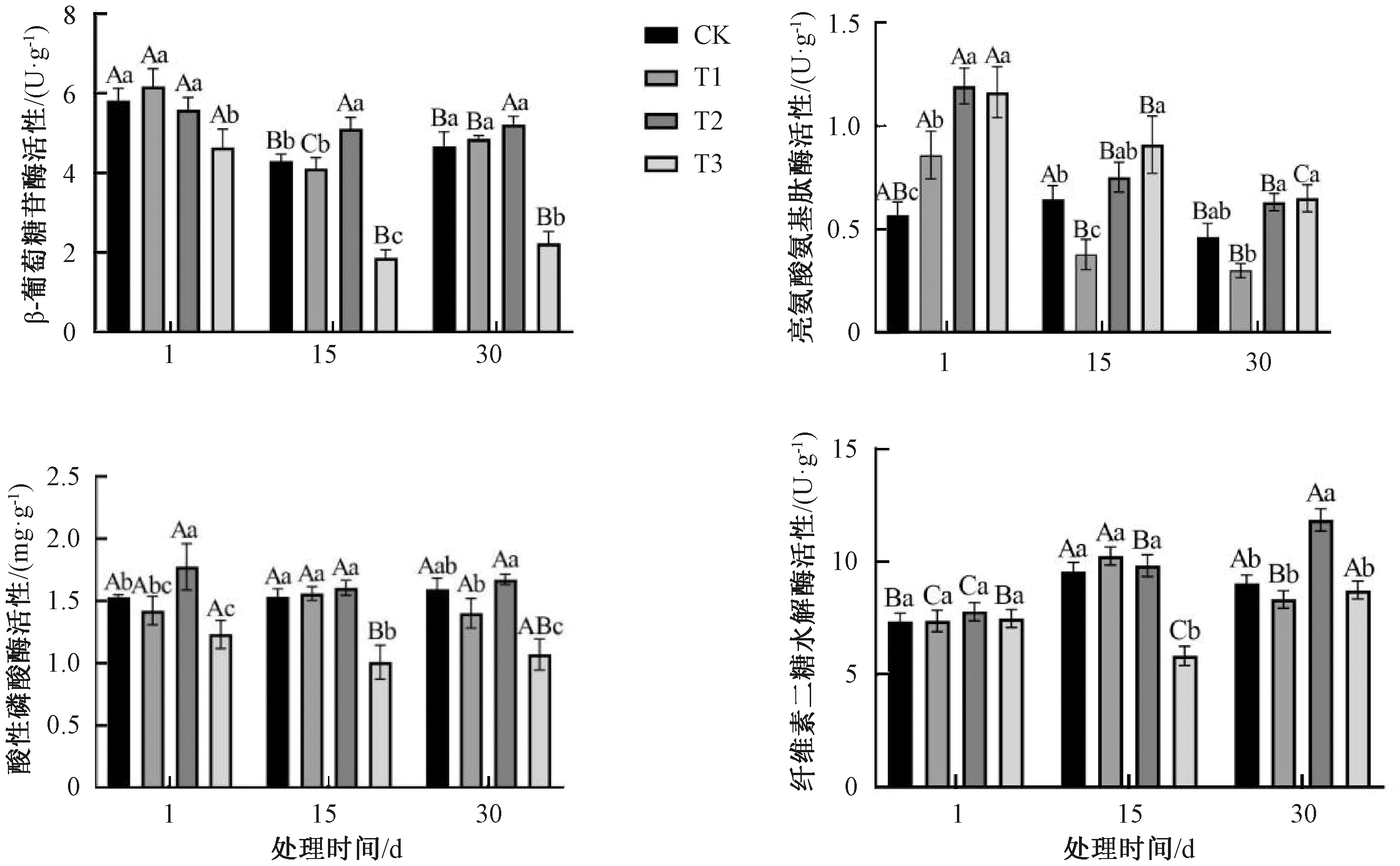
Fig.1 Soil enzyme activities under different disinfection methods
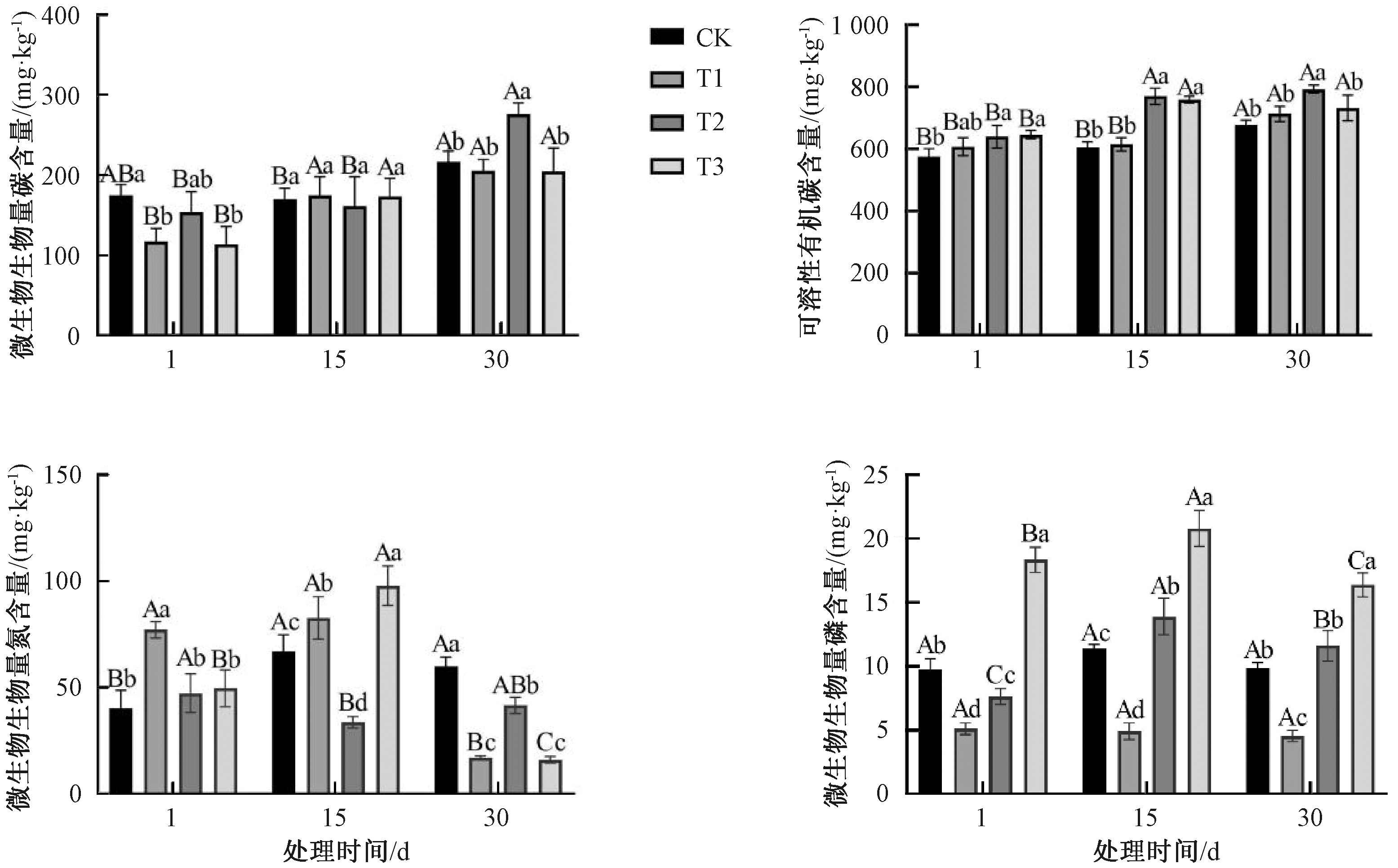
Fig.2 Soil microbial biomass under different disinfection methods
| [1] | 李霞. 设施草莓连作障碍的成因及防治对策[J]. 种子科技, 2016, 34(9): 100-101. |
| [2] | 曹丹, 凤舞剑, 白耀博. 不同施肥处理对连作草莓生长及土壤生物学特性的影响[J]. 北方园艺, 2020(17): 39-44. |
| [3] | 魏全全, 芶久兰, 赵欢, 等. 黄壤区烤烟轮作与连作根系形态、产量及养分吸收的变化[J]. 西南农业学报, 2018, 31(11): 2294-2299. |
| [4] | 刘福童, 李茂森, 闫超超, 等. 烤烟连作条件下土壤微生物群落结构变化及驱动因素分析[J]. 华中农业大学学报, 2023, 42(2): 139-146. |
| [5] | 邓曼适. 臭氧消毒技术原理及其应用前景分析[J]. 华南建设学院西院学报, 2000(3): 54-58. |
| [6] | 宋卫堂, 孙广明, 刘芬, 等. 臭氧杀灭循环营养液中三种土传病原菌的试验[J]. 农业工程学报, 2007, 23(6): 189-193. |
| [7] | 陆启环, 张弢, 易晓华, 等. 臭氧水浇灌对土壤营养成分及草莓幼苗生理特性的影响[J]. 北方园艺, 2016(23): 50-53. |
| [8] | 张承屏, 李贺军, 王涛, 等. 次氯酸水消毒剂应用研究现状[J]. 氯碱工业, 2022, 58(1): 22-25. |
| [9] | 吕云, 谢丽娜, 南松剑. 中性电解水用于温室土壤消毒的研究[J]. 农业与技术, 2014, 34(8): 3. |
| [10] | 李洪建, 李立成, 侯加林. 微酸性电解水和臭氧水对温室土壤杀菌效果研究与比较[J]. 山东农业科学, 2016, 48(11): 89-92. |
| [11] | 李坤. 葡萄连作障碍机理及调控途径的研究[D]. 沈阳: 沈阳农业大学, 2010. |
| [12] | 张利英, 李贺年, 翟姗姗, 等. 太阳能土壤消毒在草莓保护地栽培中的应用效果[J]. 北方园艺, 2010(14): 67-68. |
| [13] | 侯永侠, 周宝利, 吴晓玲, 等. 土壤灭菌对辣椒抗连作障碍效果[J]. 生态学杂志, 2006, 25(3): 340-342. |
| [14] | 王素素, 杨旭, 杜国栋. 连作土壤高温灭菌与施用石灰氮对草莓植株光合及荧光特性的影响[J]. 北方园艺, 2019(13): 30-35. |
| [15] | QI R M, LI J, LIN Z J, et al. Temperature effects on soil organic carbon soil labile organic carbon fractions and soil enzyme activities under long-term fertilization regimes[J]. Applied Soil Ecology, 2016, 102: 36-45. |
| [16] | 林先贵. 土壤微生物研究原理与方法[M]. 北京: 高等教育出版社, 2010. |
| [17] | 李太魁, 郭战玲, 寇长林, 等. 提取方法对土壤可溶性有机碳测定结果的影响[J]. 生态环境学报, 2017, 26(11): 1878-1883. |
| [18] | 张利亚, 刘霞, 师豪, 等. 木醋液对大棚草莓土壤pH、叶绿素、品质及产量的影响[J]. 中南农业科技, 2022(1): 22-23. |
| [19] | LIU Z, GUO Q, FENG Z Y, et al. Long-term organic fertilization improves the productivity of kiwifruit (Actinidia chinensis Planch.) through increasing rhizosphere microbial diversity and network complexity[J]. Applied Soil Ecology, 2020, 147: 103426. |
| [20] | 吕付泽, 杨雅丽, 鲍雪莲, 等. 免耕不同秸秆覆盖量对土壤酶活性及土壤有机碳含量的影响[J]. 土壤与作物, 2024, 13(2): 140-153. |
| [21] | 吴芳芳, 郑有飞, 吴荣军, 等. O3浓度升高和太阳辐射减弱对小麦根际土壤微生物功能多样性的影响[J]. 生态学报, 2015, 35(12): 3949-3958. |
| [22] | 王理德, 王方琳, 郭春秀, 等. 土壤酶学硏究进展[J]. 土壤, 2016, 48(1): 12-21. |
| [23] | ZEGLIN L H, STURSOVA M, SINSABAUGH R L, et al. Microbial responses to nitrogen addition in three contrasting grassland ecosystems[J]. Oecologia, 2007, 154(2): 349-359. |
| [24] | HU W T, WEI S Z, CHEN H, et al. Effect of sterilization on arbuscular mycorrhizal fungal activity and soil nutrient status[J]. Journal of Soil Science and Plant Nutrition, 2020, 20(2): 684-689. |
| [25] | BASILE-DOELSCH I, BALESDENT J, PELLERIN S. Reviews and syntheses: the mechanisms underlying carbon storage in soil[J]. Biogeosciences, 2020, 17(21): 5223-5242. |
| [26] | REES R M, PARKER J P. Filtration increases the correlation between water extractable organic carbon and soil microbial activity[J]. Soil Biology and Biochemistry, 2005, 37(12): 2240-2248. |
| [27] | ZHANG B, PENG X H, ZHAO Q G, et al. Eluviation of dissolved organic carbon under wetting and drying and its influence on water infiltration in degraded soils restored with vegetation[J]. European Journal of Soil Science, 2004, 55(4): 725-737. |
| [28] | 杨冰, 孟祥海, 王佰成, 等. 不同耕作及秸秆还田方式对土壤养分及微生物生物量碳氮的影响[J]. 黑龙江农业科学, 2024(7): 24-29. |
| [1] | HE Qinling, CAI Peiwen, YUE Cong, FENG Xiaolu, MA Haoyu, WANG Zhe, WU Xiangyu, ZHOU Xiaoyu, JIN Yue, ZHANG Xiancui, LI Peng, ZHAO Mingxing, WU Choufei. Effects of combined application of bio-organic fertilizer and microbial agents on soil properties and tomato quality in greenhouse continuous cropping obstacle [J]. Journal of Zhejiang Agricultural Sciences, 2025, 66(8): 1905-1909. |
| [2] | GU Xueping, ZHANG Yiqun, LI Yaping, SUN Jian, DUAN Xiaojing, LIU Yingying, TAO Zhengming, JIANG Wu, CHEN Jiadong. Study of the effect of biochar on alleviating the continuous cropping obstacle of Curcuma wenyujin Y.H. Chen & C. Ling [J]. Journal of Zhejiang Agricultural Sciences, 2025, 66(7): 1616-1620. |
| [3] | KONG Haimin, LIN Baoyi, JI Tianwei, LU Ruohui, SHENG Meiling, CHEN Hongjin, YANG Dong. Distribution and improvement of saline alkali soil in coastal areas of Zhejiang Province [J]. Journal of Zhejiang Agricultural Sciences, 2025, 66(7): 1748-1751. |
| [4] | JIN Ruo, GONG Jun, CHAI Weidong, KONG Wei, ZHOU Hanyue, ZHENG Jianbin. Effects of 6 soil treatments on continuous cropping obstacle of pepper in greenhouse [J]. Journal of Zhejiang Agricultural Sciences, 2025, 66(6): 1381-1384. |
| [5] | LI Youjie, CHEN Zihan, DU Jiamei, CHEN Xiani, ZHANG Yue, YANG Qiyu, LI Zixuan, ZHAO Mingxing, ZHANG Xiancui, LI Peng, ZHOU Wei, ZHANG Yuliang, HU Lihua, WU Choufei. Effects of combined application of bio-organic fertilizer and microbial agents on soil carbon composition, enzyme activity, and carbon process in newly cultivated paddy fields [J]. Journal of Zhejiang Agricultural Sciences, 2025, 66(6): 1501-1505. |
| [6] | CHEN Yanhua, SUN Lian, LU Yan, HU Liang, LI Fangyong, HAN Kefeng. Effect of earthworm organic liquid fertilizer on strawberry growth [J]. Journal of Zhejiang Agricultural Sciences, 2025, 66(5): 1087-1090. |
| [7] | LI Wei, YANG Zaijun, XU Yanbiao, XIE Ke, XU Bingcong, WU Jianping, YE Xingrong, ZHOU Jianjun, ZU Qiongyao, ZHENG Cong. Silencing effect of different inoculation methods on differentially expressed genes in root and leaf of tobacco [J]. Journal of Zhejiang Agricultural Sciences, 2025, 66(5): 1151-1157. |
| [8] | LIU Shuxin, WU Dongtao, LI Hanmei, DING Fenghua. Study on the alleviating effect of different application methods of biochar on continuous cropping obstacles in broad bean [J]. Journal of Zhejiang Agricultural Sciences, 2025, 66(4): 935-939. |
| [9] | FENG Ruchao, ZHANG Lina, ZHANG Jie, LIU Zhe, ZHENG Jiaqiu, YANG Jialin, SHEN Feng, ZU Yanxia, WANG Weiwei, WU Yongcheng, MEI Yi. Effects of different concentrations and application methods of Ruikangdun microbial agent on the growth and yield of continuous cropping small-fruit watermelon [J]. Journal of Zhejiang Agricultural Sciences, 2025, 66(12): 2985-2993. |
| [10] | LI Tonghua, ZHU Wenguo, LIANG Aixin, WANG Zihao, QIN Yuejun. Effect of amino acid organic water-soluble fertilizer on strawberry coloration, yield, and quality [J]. Journal of Zhejiang Agricultural Sciences, 2025, 66(11): 2663-2667. |
| [11] | ZHANG Xiao, WANG Fenglin, CAO Guangqiu, YE Yiquan. Dynamic effects of different concentrations of magnesium on the photosynthetic characteristics and antioxidant activity of new leaves in Cunninghamia lanceolata [J]. Journal of Zhejiang Agricultural Sciences, 2025, 66(11): 2696-2701. |
| [12] | FANG Bao, HE Guoyou, SHEN Junru, TANG Xubing, REN Longhui, ZHEN Anzhong, LAN Yufeng, KONG Chuisi. Effects of rotating different crops with cigar tobacco on the rhizosphere soil bacterial community [J]. Journal of Zhejiang Agricultural Sciences, 2025, 66(11): 2772-2778. |
| [13] | XING Nailin, YAN Leiyan, HUANG Yunping, WANG Yuhong. Effect of high temperature on seedling growth of grafted watermelon [J]. Journal of Zhejiang Agricultural Sciences, 2025, 66(10): 2395-2399. |
| [14] | WU Fengwei, HUANG Lishan, XU Xiaofei. Preliminary analysis of microecology in the soil of continuous cropping of Dioscorea opposita Thunb. in Yangjiang area, Guangdong Province [J]. Journal of Zhejiang Agricultural Sciences, 2025, 66(10): 2502-2510. |
| [15] | LI Wenqing, YANG Zhengwei, MENG Geng, WANG Yiyi, HOU Juan, WANG Zhihao, SUN Kaile. Preliminary screening of leaf regeneration systems of five cultivated strawberry varieties [J]. Journal of Zhejiang Agricultural Sciences, 2025, 66(1): 120-126. |
| Viewed | ||||||
|
Full text |
|
|||||
|
Abstract |
|
|||||
